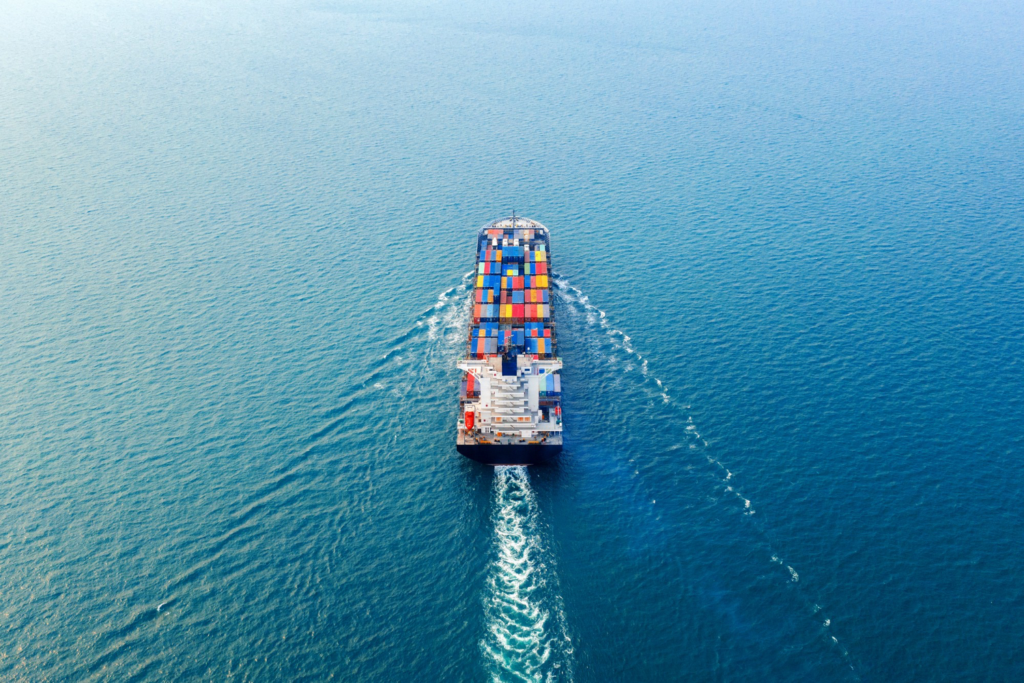
Global shipping faces mounting pressure to cut greenhouse gas emissions while improving supply chain efficiency. Fragmented fuel standards and paper-based port processes slow progress toward low-carbon maritime transport. Coordinated action strengthens resilience and supports long-term sustainability across trade routes. Read how the Singapore and Australia Green and Digital Shipping Corridor advances these goals against international benchmarks.
Green and Digital Shipping Corridors in Maritime Systems
Green and Digital Shipping Corridors (GDSC) provide structured frameworks for decarbonizing maritime transport and modernizing port operations. A GDSC links ports, regulators, energy suppliers, and shipping lines along defined trade routes. The model integrates fuel transition strategies with digital optimization tools. This dual focus addresses emissions intensity and operational inefficiencies within one coordinated system.
Decarbonization Through Fuel and Technology Alignment
A GDSC accelerates the adoption of zero or near-zero greenhouse gas fuels across a shipping route. Stakeholders align on fuel standards, bunkering infrastructure, and vessel readiness requirements. This alignment reduces investment risk for shipowners and fuel suppliers. Pilot projects and demonstration voyages validate safety protocols and technical performance before wider deployment. Coordinated training programs build workforce capability to safely handle new fuels.
Digital Integration for Port Call Optimization
Digital workstreams within a GDSC focus on data sharing and process standardization. Ports implement interoperable platforms that support electronic documentation and paperless transactions. Just-in-time arrival systems reduce vessel idle time and fuel consumption. Shared data environments enable more efficient berth allocation and better coordination of marine services. These measures lower operational costs while cutting avoidable emissions.
Governance, Standards, and International Targets
A GDSC operates within existing international regulatory frameworks. Many corridors align with the International Maritime Organization (IMO) greenhouse gas strategy. The IMO aims to achieve net-zero greenhouse gas emissions from international shipping by or around 2050. Corridors translate these global ambitions into route-specific implementation plans. Governments use memoranda of understanding and cooperation agreements to formalize roles and accountability. Clear governance structures ensure compliance, monitoring, and continuous improvement across participating entities.
Case Study: Singapore and Australia Green and Digital Shipping Corridor
Singapore and Australia formalized the Singapore-Australia Green and Digital Shipping Corridor on 5 March 2024 through a Memorandum of Understanding (MoU). The MoU supports cooperation between the Maritime and Port Authority of Singapore and the Australian Government Department of Infrastructure, Transport, Regional Development, Communications and the Arts. The initiative aligns with the Green Shipping Cooperation agenda under the Singapore-Australia Green Economy Agreement signed in October 2022.
The Corridor applies to shipping routes connecting ports in both countries and engages state and territory governments, port authorities, and maritime and energy stakeholders. Its green workstream focuses on developing joint supply chains for zero- or near-zero greenhouse gas fuels. It includes training programs for safe fuel handling and the development of bunkering requirements and standards for vessels serving the route. Test pilots and demonstration projects will validate bunkering processes and operational readiness.
The digital workstream promotes port call optimization and paperless transactions across participating ports. Agencies will collaborate on shared platforms, technologies, and streamlined processes. Information exchange mechanisms will support just-in-time arrivals, departures, and marine services. Institutional coordination between national authorities under the MoU provides oversight and guidance for implementation. Together, these regulatory, technical, and institutional mechanisms aim to accelerate maritime decarbonization and strengthen supply chain resilience.
Conclusion
GDSC translates international climate targets into coordinated actions across defined trade routes on fuel, digital, and governance fronts. Structured collaboration across regulators and industry reduces emissions while improving operational efficiency and resilience.
Circular Economy and Liveable Cities (Cambridge University Press)
The Circular Economy and Liveable Cities, edited by Robert C. Brears, Our Future Water, has been published. This essential guide delivers actionable strategies and best practices for implementing circular economy, climate resilience, and sustainability in urban environments, with global examples from leading cities like Tokyo, New York, and Singapore to help planners, policymakers, and researchers build liveable and sustainable cities for the future.
2nd Edition of Nature-Based Solutions to 21st Century Challenges (Routledge)
Fully revised and updated, the second edition of Nature-Based Solutions to 21st Century Challenges by Robert C. Brears offers a timely and systematic review of how working with nature can address today’s most pressing environmental and societal issues. Featuring new case studies from across the globe, expanded insights on public policy, AI, and community-led initiatives, this edition is essential reading for anyone shaping a sustainable future.
Shape the Future of Sustainability: Contribute to Springer Nature’s Landmark Publications
As Editor-in-Chief, Robert C. Brears invites experts, researchers, and practitioners to contribute to impactful and forward-thinking publications from Springer Nature. These comprehensive Handbooks and Encyclopedias explore Nature-Based Solutions, sustainable resource management, ecosystem well-being, and the global energy transition.
- Palgrave Handbook of Nature-Based Solutions
- Palgrave Encyclopedia of Sustainable Resources and Ecosystem Resilience
- Palgrave Handbook of Ecosystems and Human Well-Being
- Palgrave Handbook of Energy Transition and Renewable Energy
- Palgrave Handbook of Urban Climate and Disaster Resilience
- Palgrave Handbook of Social Transformations in Science, Innovation, and Education
Shape the Future of Climate Resilience: Contribute to Palgrave’s Pivot Series
As Series Editor, Robert C. Brears invites experts to contribute to Palgrave Studies in Climate Resilient Societies, a leading Pivot series (25,000–50,000 words) exploring climate resilience, policy innovation, and sustainability strategies.
For more details, visit: Seeking Authors — Palgrave Studies in Climate Resilient Societies
📚 Explore the Full Book Collection on Green Economy & Innovation Pathways
Accelerate the shift to a low-carbon, inclusive future with expert insights from Our Future Water and Global Climate Solutions. This collection highlights the tools, technologies, and strategies driving resilient and sustainable economic transformation.
⚡ Policy frameworks for enabling sustainable, equitable growth
🔬 Innovations in clean technologies and future-focused business models
📘 Pathways for long-term systems change, resilience, and impact
Click here to explore the complete collection.