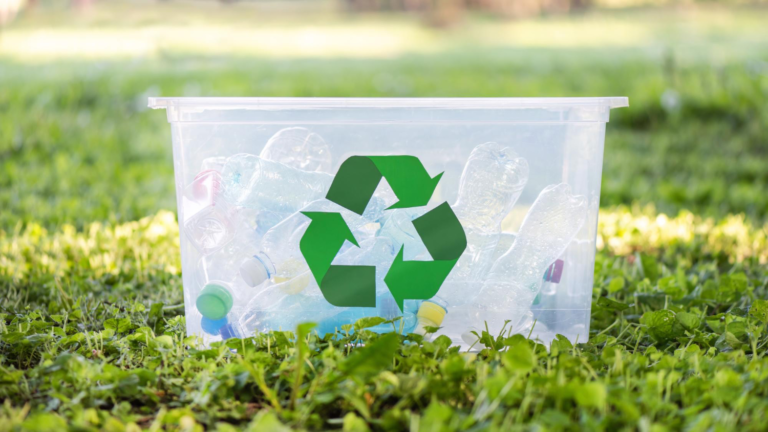
Linear production models continue to strain material security and waste systems across industrial economies. Circular supply chains are emerging as a strategic response to resource volatility and environmental pressure. Their expansion supports resilience by stabilizing secondary material flows and reducing lifecycle emissions. Explore how NextCycle Michigan Circular Economy Grants align state innovation with international benchmarks.
Policy Alignment and Market Structuring
Circular supply chains depend on coordinated policy frameworks that link waste reduction, industrial competitiveness, and resource security. Governments use grants, procurement rules, and regulatory guidance to stimulate investment in reuse and recycling infrastructure. Such interventions reduce market failures where secondary materials face price volatility or weak demand signals. Structured incentives can accelerate private sector adoption while improving material traceability across supply networks.
Technology Integration in Material Recovery
Digital and automated technologies are transforming the efficiency of circular supply chains. Robotics, artificial intelligence, and advanced sorting systems enhance the precision of material recovery and processing. These technologies reduce contamination rates and enable higher value applications for recovered resources. Integrated data platforms also improve logistics coordination and lifecycle monitoring across distributed industrial actors.
Localised Industrial Ecosystems
Circular supply chains often rely on geographically concentrated industrial clusters. Proximity between waste generators and material processors reduces transport emissions and operational costs. Local ecosystems support collaborative innovation and workforce development tailored to circular business models. This structure enables faster feedback loops between production, consumption, and resource recovery activities.
Demand Creation for Secondary Materials
Sustained circular supply chains require stable demand for recycled inputs and remanufactured products. Policy tools such as minimum recycled content standards and public procurement mandates can strengthen market confidence. Financial support for pilot manufacturing and product certification helps overcome early-stage barriers. These measures promote industrial scaling while embedding circularity into mainstream production systems.
Case Study: NextCycle Michigan Circular Economy Grants
The Michigan Department of Environment, Great Lakes, and Energy (EGLE) administers Circular Economy Grants through the NextCycle Michigan accelerator programme to strengthen material reuse and recycling supply chains. The initiative provides financial awards ranging from USD 50,000 to USD 250,000 to projects across public, private, and nonprofit sectors. Funding targets multiple material streams, including food waste, plastics, electronics, and construction materials, reflecting a system-wide approach to resource recovery.
The programme operates under state environmental and economic development policy frameworks that aim to increase recycling performance and stimulate market creation for secondary materials. Eligibility extends to projects that demonstrate measurable supply chain impacts, such as improved collection systems, advanced processing technologies, or commercialisation of recycled products. Institutional oversight rests with EGLE, which evaluates proposals, allocates funding, and monitors implementation outcomes.
Technical requirements focus on practical deployment mechanisms, including the installation of automated sorting systems, the development of remanufacturing capacity, and the establishment of organics recovery infrastructure. Some initiatives incorporate workforce training components to support skills development in repair and recycling industries. Flexibility mechanisms allow diverse project models, from pilot testing to full-scale operational upgrades, ensuring broad participation across urban and rural contexts. Collectively, the programme supports resilience by diversifying material inputs, reducing dependence on landfill, and strengthening regional circular economic activity.
Conclusion
Targeted public funding, combined with regulatory alignment and technological adoption, can accelerate the development of circular supply chains while improving resource resilience and environmental performance.
Circular Economy and Liveable Cities (Cambridge University Press)
The Circular Economy and Liveable Cities, edited by Robert C. Brears, Our Future Water, has been published. This essential guide delivers actionable strategies and best practices for implementing circular economy, climate resilience, and sustainability in urban environments, with global examples from leading cities like Tokyo, New York, and Singapore to help planners, policymakers, and researchers build liveable and sustainable cities for the future.
2nd Edition of Nature-Based Solutions to 21st Century Challenges (Routledge)
Fully revised and updated, the second edition of Nature-Based Solutions to 21st Century Challenges by Robert C. Brears offers a timely and systematic review of how working with nature can address today’s most pressing environmental and societal issues. Featuring new case studies from across the globe, expanded insights on public policy, AI, and community-led initiatives, this edition is essential reading for anyone shaping a sustainable future.
Shape the Future of Sustainability: Contribute to Springer Nature’s Landmark Publications
As Editor-in-Chief, Robert C. Brears invites experts, researchers, and practitioners to contribute to impactful and forward-thinking publications from Springer Nature. These comprehensive Handbooks and Encyclopedias explore Nature-Based Solutions, sustainable resource management, ecosystem well-being, and the global energy transition.
- Palgrave Handbook of Nature-Based Solutions
- Palgrave Encyclopedia of Sustainable Resources and Ecosystem Resilience
- Palgrave Handbook of Ecosystems and Human Well-Being
- Palgrave Handbook of Energy Transition and Renewable Energy
- Palgrave Handbook of Urban Climate and Disaster Resilience
- Palgrave Handbook of Social Transformations in Science, Innovation, and Education
Shape the Future of Climate Resilience: Contribute to Palgrave’s Pivot Series
As Series Editor, Robert C. Brears invites experts to contribute to Palgrave Studies in Climate Resilient Societies, a leading Pivot series (25,000–50,000 words) exploring climate resilience, policy innovation, and sustainability strategies.
For more details, visit: Seeking Authors — Palgrave Studies in Climate Resilient Societies
📚 Explore the Full Book Collection on Green Economy & Innovation Pathways
Accelerate the shift to a low-carbon, inclusive future with expert insights from Our Future Water and Global Climate Solutions. This collection highlights the tools, technologies, and strategies driving resilient and sustainable economic transformation.
⚡ Policy frameworks for enabling sustainable, equitable growth
🔬 Innovations in clean technologies and future-focused business models
📘 Pathways for long-term systems change, resilience, and impact
Click here to explore the complete collection.