Reliable energy access underpins sustainable development and climate resilience. In remote regions, off-grid renewables like solar, wind, and biogas provide clean, reliable power where grids cannot reach. Explore how the REnew Pacific Grants advance inclusive development by linking decentralized energy solutions with social and climate outcomes across island nations.
Decentralized Energy Systems for Remote Communities
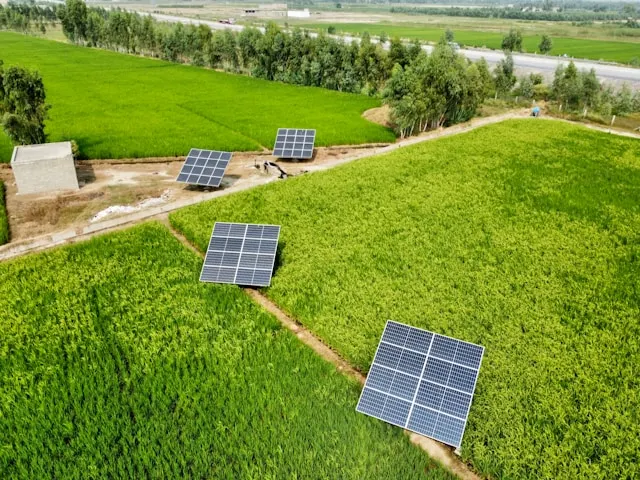
Off-grid renewable energy systems operate independently from centralized grids, offering reliable electricity in areas beyond the reach of national infrastructure. These systems reduce dependence on diesel generators, lower greenhouse gas emissions, and enhance local autonomy in energy generation and maintenance.
Micro-grids, mini-grids, and stand-alone systems can power homes, schools, health centers, and small enterprises. When integrated with storage technologies, they provide stable energy supply for essential services such as water pumping, refrigeration, communications, and education. By replacing fossil fuel imports with locally sourced renewables, off-grid systems reduce vulnerability to price volatility and supply disruptions.
The decentralized nature of these systems also promotes inclusive participation. Local ownership models and community-based maintenance create employment opportunities while embedding long-term sustainability. Governments and development partners are increasingly supporting off-grid renewables as a cornerstone of rural electrification and climate-resilient growth.
Technology and Innovation in Energy Access
Advancements in renewable energy technology have made decentralized solutions more efficient and affordable. Modular solar arrays, hybrid wind-solar systems, and compact hydro installations can be tailored to local conditions and scaled according to community demand. Battery storage and smart controllers enhance system reliability, enabling renewable power to meet critical needs at all times of day.
Integration with productive uses of energy — such as cold storage for fisheries, agricultural processing, e-transport, and digital connectivity — links clean energy with livelihoods and economic empowerment. These applications extend the value of energy access beyond electrification, supporting climate adaptation, food security, and local enterprise development.
Digital monitoring tools further improve performance and transparency. Remote sensing and automated maintenance systems ensure operational efficiency and reduce downtime. Together, these innovations demonstrate how technology can enable resilient, inclusive energy transitions in off-grid environments.
Strengthening Partnerships for Sustainable Outcomes
Off-grid renewable programs thrive through partnerships among governments, donors, private sector actors, and local organizations. Effective coordination ensures that projects align with community priorities, environmental safeguards, and long-term national development goals.
Policy support — through incentives, standards, and financing mechanisms — helps scale deployment while maintaining quality assurance. International collaboration, especially in island and least developed countries, facilitates knowledge sharing and investment in clean energy innovation. By linking climate finance with social inclusion, such partnerships bridge the gap between technology solutions and community impact.
How the REnew Pacific Off-Grid Renewable Energy Grants Advance Inclusive Energy Access
In 2025, the REnew Pacific Off-Grid Renewable Energy Grants (Round 1) invited proposals to deliver clean energy solutions to rural and remote communities across the Pacific Islands and Timor-Leste. Implemented by Palladium for the Australian Infrastructure Financing Facility for the Pacific (AIFFP), the initiative focuses on increasing access to affordable, reliable, and climate-resilient off-grid power.
The grants targeted cost-effective renewable generation technologies such as solar, wind, hydro, tidal, and biogas, with eligibility extending to micro-grids, mini-grids, storage, and distribution infrastructure. Applicants were encouraged to demonstrate strong community engagement and clear evidence of local demand for renewable energy applications including lighting, refrigeration, water purification, health care, and digital connectivity.
Projects were evaluated for their capacity to enhance quality of life, empower women, and improve access for people with disabilities. Emphasis was placed on durable, long-lasting systems aligned with national development priorities and climate adaptation strategies. Battery storage and smart control systems were prioritized to ensure reliability and continuous supply for essential services.
Through this initiative, REnew Pacific has positioned itself as a catalyst for climate-resilient development across island nations. By connecting technological innovation with community-driven planning, the program supports inclusive growth and accelerates the transition to sustainable, off-grid renewable energy futures.
Conclusion: Off-Grid Renewables as Engines of Inclusive Growth
Off-grid renewable energy solutions enable equitable energy access, reduce emissions, and foster local resilience. By integrating clean technologies with inclusive financing and community participation, they form a cornerstone of sustainable development in remote regions.
Newly Published: Circular Economy and Liveable Cities (Cambridge University Press)
The Circular Economy and Liveable Cities, edited by Robert C. Brears, Our Future Water, has been published. This essential guide delivers actionable strategies and best practices for implementing circular economy, climate resilience, and sustainability in urban environments, with global examples from leading cities like Tokyo, New York, and Singapore to help planners, policymakers, and researchers build liveable and sustainable cities for the future.
📘 Coming Soon — 2nd Edition of Nature-Based Solutions to 21st Century Challenges (Routledge)
Fully revised and updated, the second edition of Nature-Based Solutions to 21st Century Challenges by Robert C. Brears offers a timely and systematic review of how working with nature can address today’s most pressing environmental and societal issues. Featuring new case studies from across the globe, expanded insights on public policy, AI, and community-led initiatives, this edition is essential reading for anyone shaping a sustainable future.
📚 Explore the Full Book Collection on Nature-Based Solutions (NBS)
Harness the power of nature to tackle today’s climate and development challenges. Curated by Our Future Water and Global Climate Solutions, this collection offers practical frameworks for embedding NBS into policy, planning, and implementation.
🌱 Strategies for integrating NBS into planning, finance, and ecosystem restoration
🌍 Approaches that enhance biodiversity, climate adaptation, and resilience
📘 Tools for applying NBS across sectors and governance systems
Click here to explore the complete collection.
📚 Shape the Future of Sustainability: Contribute to Springer Nature’s Landmark Publications
As Editor-in-Chief, Robert C. Brears invites experts, researchers, and practitioners to contribute to impactful and forward-thinking publications from Springer Nature. These comprehensive Handbooks and Encyclopedias explore Nature-Based Solutions, sustainable resource management, ecosystem well-being, and the global energy transition.
- Palgrave Handbook of Nature-Based Solutions
- Palgrave Encyclopedia of Sustainable Resources and Ecosystem Resilience
- Palgrave Handbook of Ecosystems and Human Well-Being
- Palgrave Handbook of Energy Transition and Renewable Energy
- Palgrave Handbook of Urban Climate and Disaster Resilience
- Palgrave Handbook of Social Transformations in Science, Innovation, and Education
📚 Shape the Future of Climate Resilience: Contribute to Palgrave’s Pivot Series
As Series Editor, Robert C. Brears invites experts to contribute to Palgrave Studies in Climate Resilient Societies, a leading Pivot series (25,000–50,000 words) exploring climate resilience, policy innovation, and sustainability strategies.
📩 For more details, visit: Seeking Authors — Palgrave Studies in Climate Resilient Societies