Policymakers and ocean-governance leaders
For leaders designing mandates, institutions and accountability across connected marine sectors and jurisdictions.

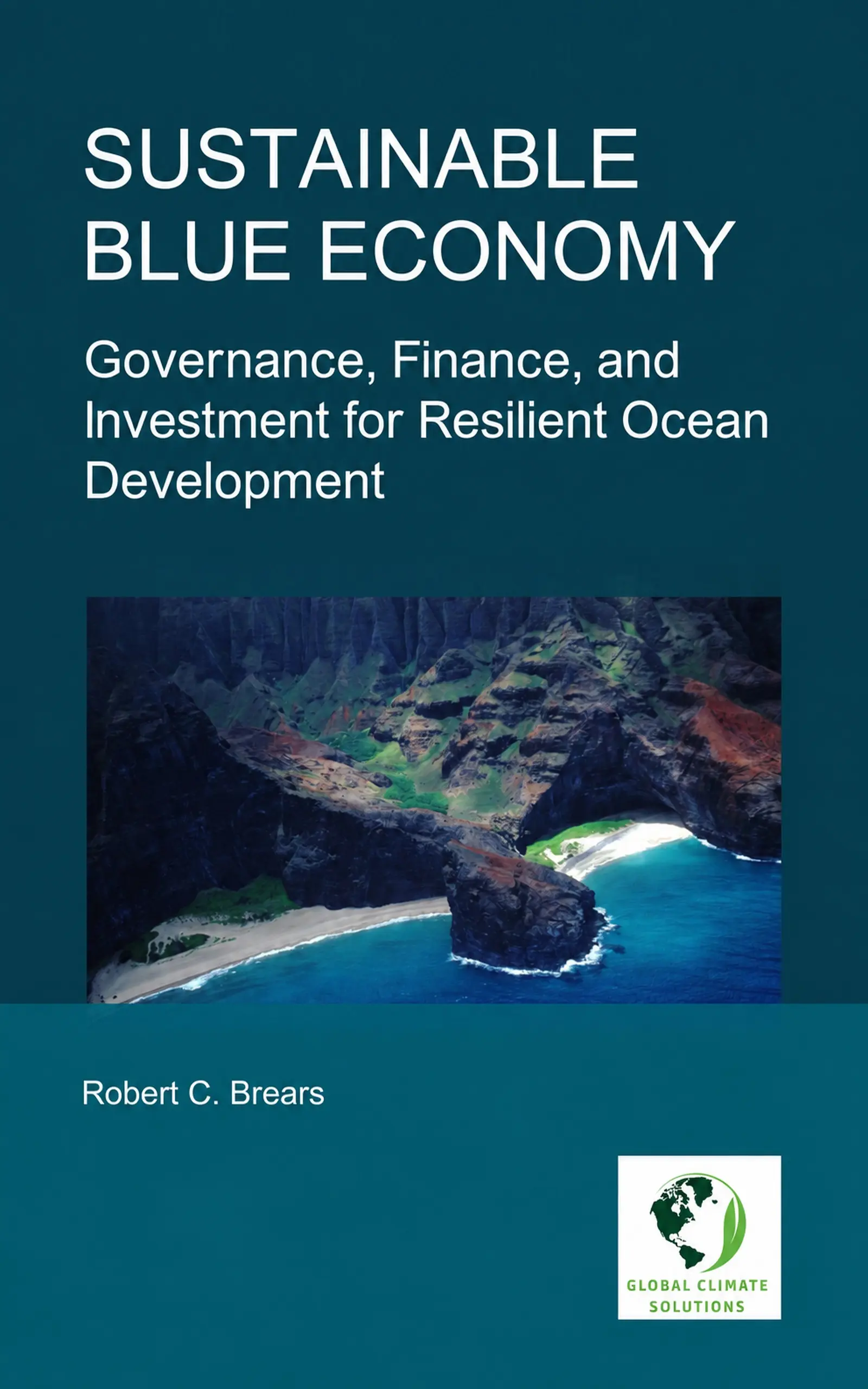
Governance, Finance, and Investment for Resilient Ocean Development
ISBN 978-1-991367-02-0 · Global Climate Solutions · First EditionOcean development promises food, energy, jobs, trade, and resilience, yet growth can weaken the ecosystems and communities on which those benefits depend.
Sustainable Blue Economy gives policymakers, coastal planners, investors, business leaders, and development practitioners a practical framework for judging ocean opportunities before they are labelled sustainable. Robert C. Brears connects ecological limits, social legitimacy, public accountability, and delivery capacity across fisheries, aquaculture, ports, shipping, tourism, marine spatial planning, blue finance, coastal infrastructure, data systems, and international cooperation.
Readers will learn how to identify cumulative impacts, test distributional effects, compare finance and infrastructure choices, design transparent governance, and build monitoring systems that can change course when conditions deteriorate. The book treats sustainability as a decision discipline grounded in evidence, rights, implementation, and measurable performance.
For leaders shaping ocean policy and investment, it provides a clear route from broad blue-economy ambition to choices that keep marine systems productive and benefits broadly shared.
Define sustainable blue-economy opportunities against ecological limits, social legitimacy and institutional capacity.
Measure ocean performance, risk and value while accounting for cumulative impacts and distributional effects.
Evaluate fisheries, aquaculture, shipping, ports and tourism as connected users of shared marine systems.
Design governance, rights and marine spatial-planning choices that make trade-offs transparent and accountable.
Assess blue-finance and coastal-infrastructure investments for resilience, durability and public value.
Use data, digital tools and monitoring systems to detect deterioration and support adaptive decisions.
Translate blue-economy strategy into coordinated delivery, measurable outcomes and effective international cooperation.
From Ocean Opportunity to Accountable Development
The Blue Economy as a Development System
Marine Ecosystems, Climate Change, and Ecological Limits
Measuring Performance, Risk, and Value
Fisheries and Aquaculture for Food, Livelihoods, and Resilience
Ports, Shipping, and Maritime Logistics
Coastal Tourism, Culture, and Place-Based Economies
Institutions, Law, and Ocean Governance
Equity, Indigenous Rights, and Coastal Communities
Marine Spatial Planning and Cumulative Trade-Offs
Financing Sustainable Ocean Investment
Coastal Infrastructure, Resilience, and Nature-Based Solutions
Digital Technologies, Data, and Ocean Innovation
From Strategy to Delivery
International Cooperation and the Future Blue Economy
Building an Economy That Keeps the Ocean Productive
For leaders designing mandates, institutions and accountability across connected marine sectors and jurisdictions.
For practitioners evaluating spatial trade-offs, cumulative impacts, resilience and long-lived coastal investment.
For decision-makers testing whether blue-finance opportunities protect ecological productivity and deliver durable public value.
For organisations operating across fisheries, aquaculture, ports, shipping, tourism, data and ocean innovation.
For teams connecting community rights, evidence, monitoring, implementation capacity and international cooperation.

Robert C. Brears is the founder and editor-in-chief of Global Climate Solutions. His work connects climate resilience, water security, nature-based solutions, sustainable finance and the transition to more resilient cities and industries.
View author profile →A practical framework for ocean governance, finance and investment that keeps marine systems productive and benefits broadly shared.

Japan’s sovereign transition bonds connect public capital with industrial technology development, infrastructure needs, and transparent reporting.

Two coastal waters in the Dutch Southwestern Delta show how a single restoration program can make different choices for different sites.
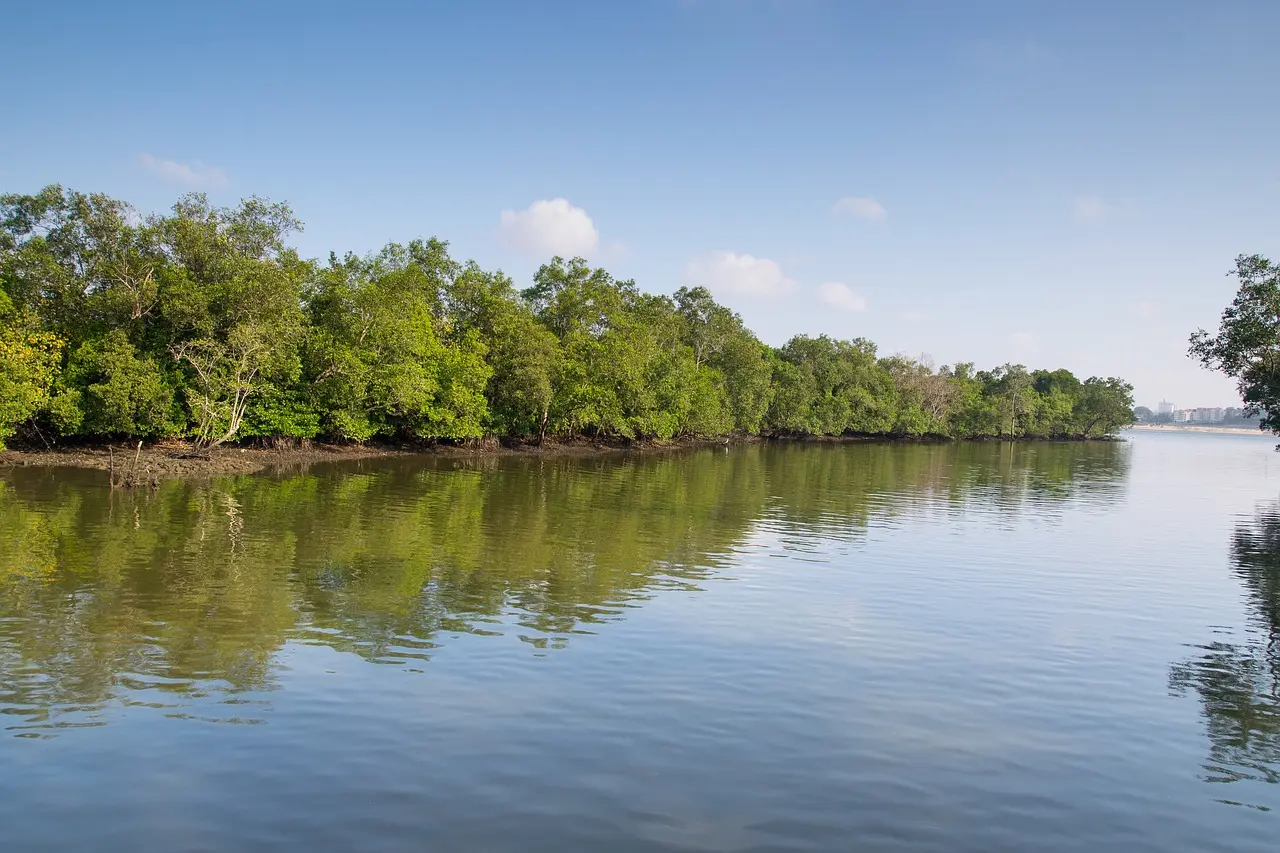
Singapore’s coastal plans bring tidal drainage, mangrove habitat, and infrastructure financing into a single adaptation decision.