
Higher sea levels narrow the window in which coastal canals can discharge by gravity. When intense rainfall coincides with a high tide or storm surge, a tidal gate, storage, and pumping may need to operate as a system. Singapore’s City-East Coast study brings that design problem into focus before any decision about how to finance the works.
Coastal protection and drainage share an outlet
At a canal outlet, a closed gate prevents seawater from moving upstream. It also limits gravity drainage from the catchment behind it. If heavy rain falls during a prolonged closure, the available storage and pumping capacity determine how much runoff the system can handle.
The line of defense can also vary along the shoreline. Raised ground can protect development, while a setback can preserve space for intertidal habitat. These choices affect land requirements, operating costs, and the type of protection a city can provide.
Case study: Singapore’s City-East Coast
In August 2025, Singapore’s national water agency, PUB, released recommendations for the City-East Coast. Its study proposed coastal barriers for part of the Greater Southern Waterfront and a mix of raised structures and tidal gates in Changi. At Changi Creek, consultation with nature groups highlighted the need to maintain connectivity between intertidal habitats.
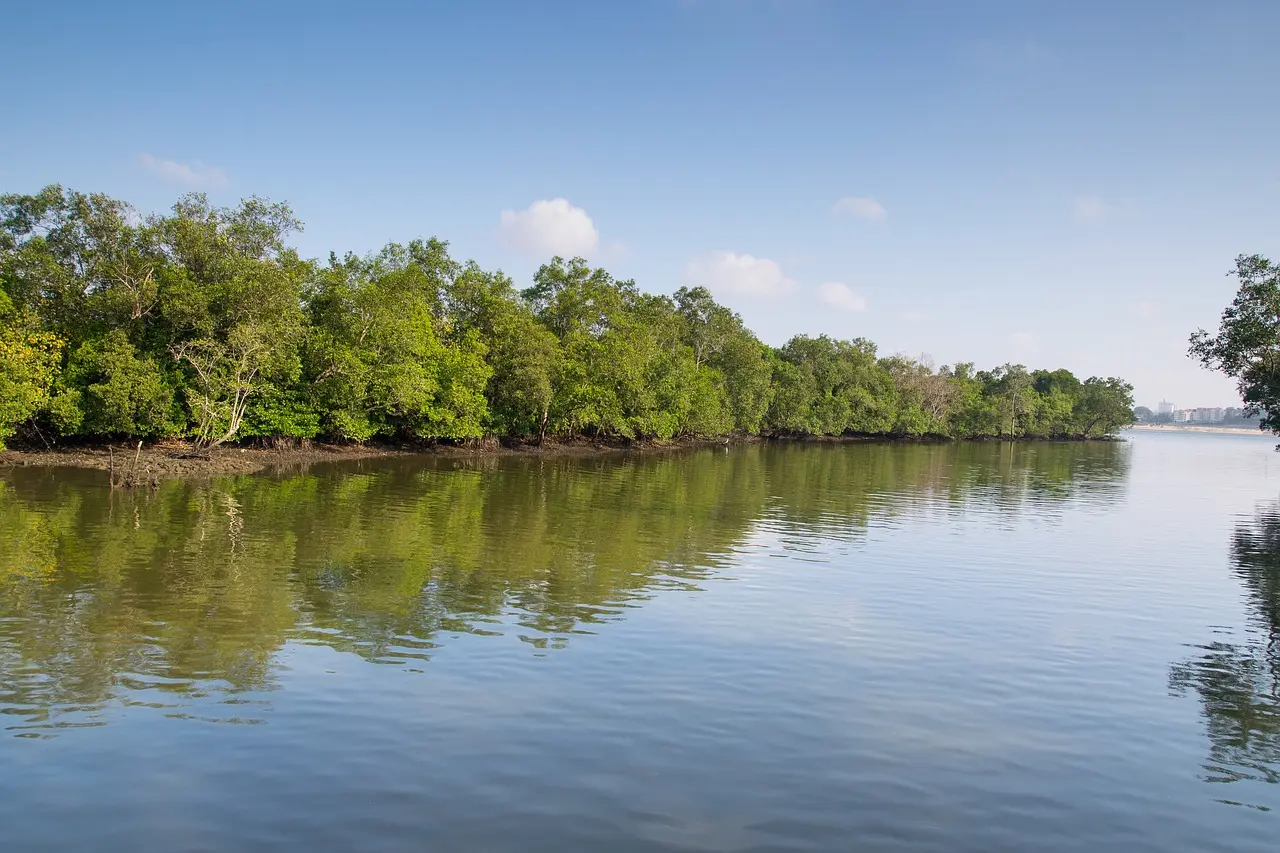
PUB recommended locating a gate downstream near Telok Paku Road. The proposed alignment would provide more separation from the mangroves and reduce the need for gates within the habitat. The location is subject to further design and environmental impact assessment. That decision will shape both the protection scheme and its environmental footprint.
Linking the protection program to finance
Coastal defenses require substantial capital investment and continued funding for operation and maintenance. Green bonds can spread the capital cost of eligible works over time. Singapore’s January 2025 Green Bond Framework recognizes climate adaptation and aligns with the Singapore-Asia Taxonomy for Sustainable Finance. It sets out how eligible expenditure is selected and how proceeds are tracked and reported.
The FY2025 allocation report records S$3.7 billion in sovereign green bond proceeds directed that year to the Jurong Region Line and Cross Island Line. The coastal measures in PUB’s study are proposals. Project eligibility, engineering development, and allocation of proceeds are separate decisions, and each has its own evidence.
Implications for project delivery
Integrated appraisal connects the hydraulic design with the capital program and the operating budget. In practice, this means estimating the storage and pumping required when the gate is closed, assessing the environmental footprint of the proposed alignment, and assigning responsibility for commissioning, operation, and maintenance before the financing plan is finalized.
Read the full article on Singapore’s Green Bond Framework. The Climate Finance section explores other ways to pay for adaptation.
From our books
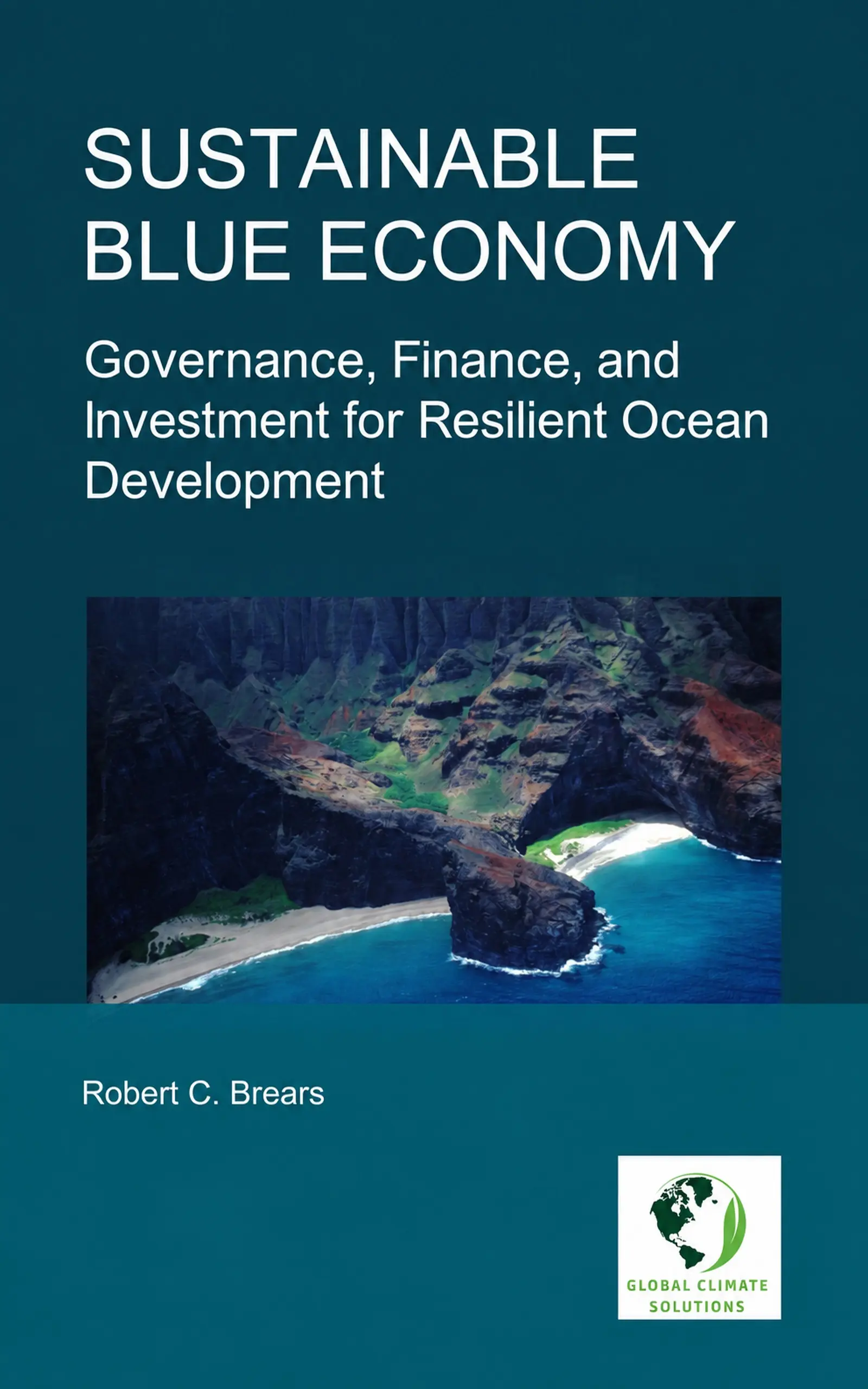
Sustainable Blue Economy: Governance, Finance, and Investment for Resilient Ocean Development. Robert C. Brears. Global Climate Solutions, 2026.
The book examines how coastal planners and investors can evaluate marine development alongside ecological limits and community needs. Its chapters on investment and coastal infrastructure connect financing arrangements with the long-term performance of projects. For readers assessing flood protection, the public overview and contents place barriers and nature-based measures in a broader discussion of public value, governance, and monitoring.