
Climate Finance
How Transition Finance Supports Industrial Decarbonization
Japan’s sovereign transition bonds connect public capital with industrial technology development, infrastructure needs, and transparent reporting.

Capital and markets for climate action. Explore 29 published GCS insights and 5 books.
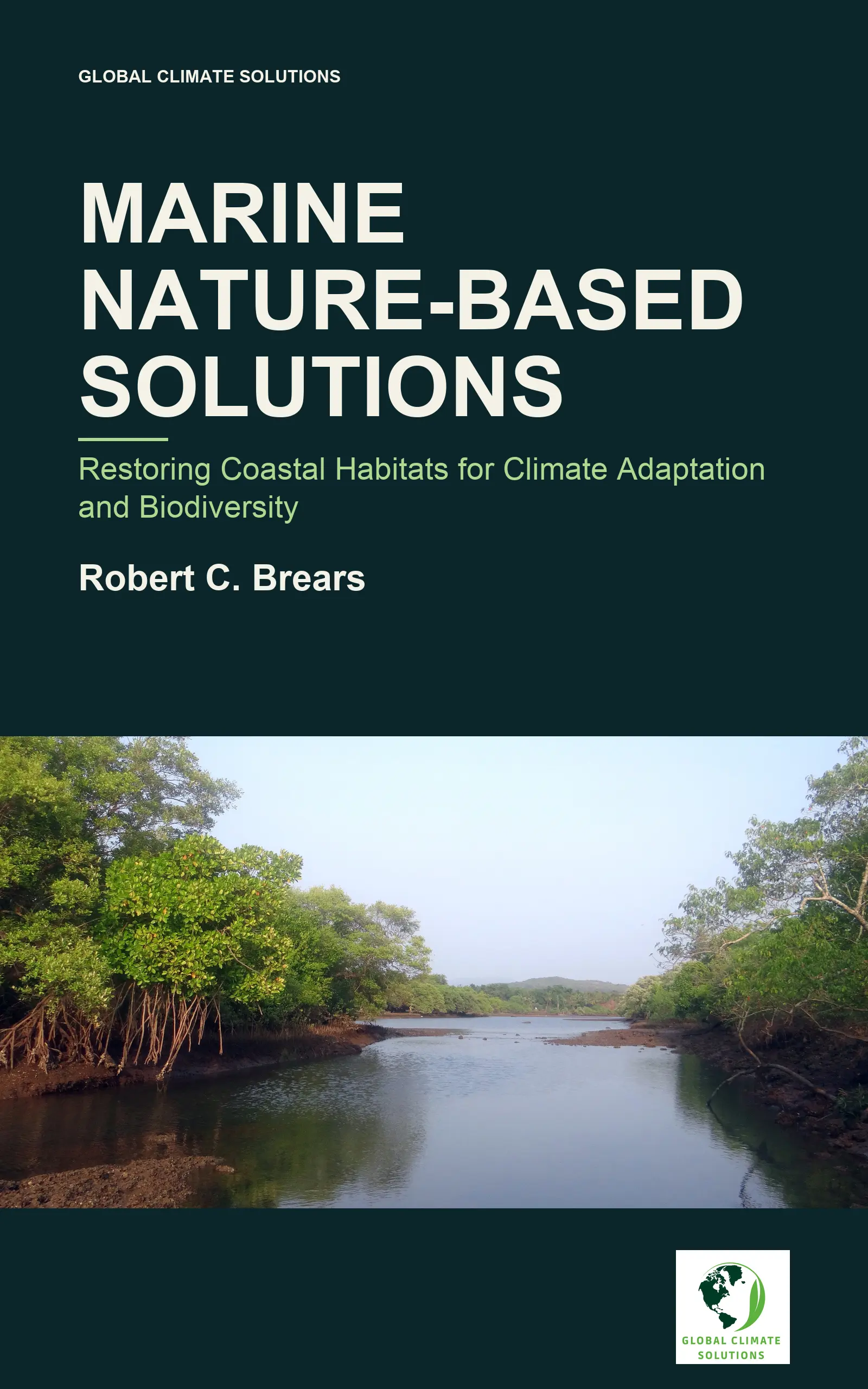
Restoring Coastal Habitats for Climate Adaptation and Biodiversity
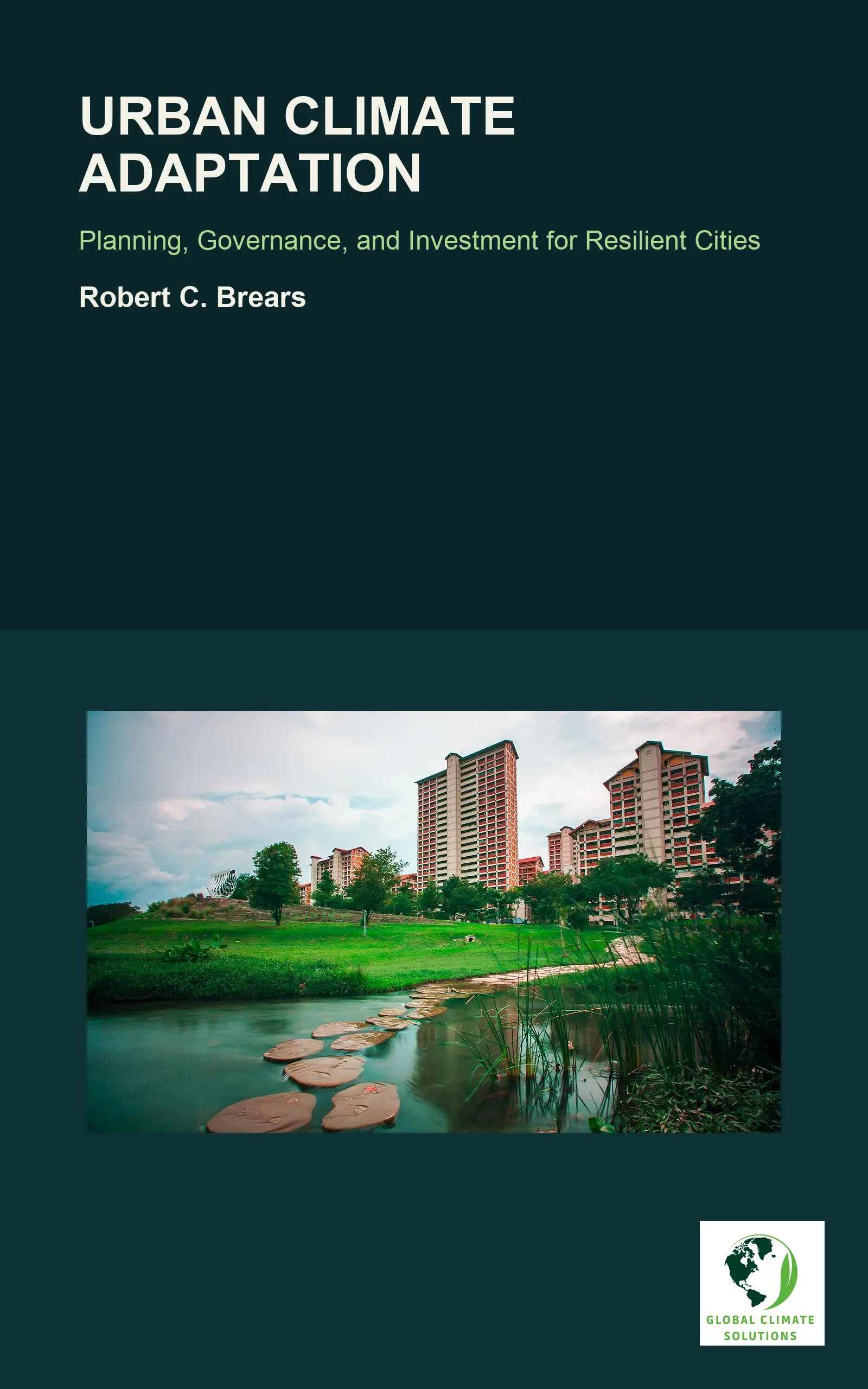
Planning, Governance, and Investment for Resilient Cities
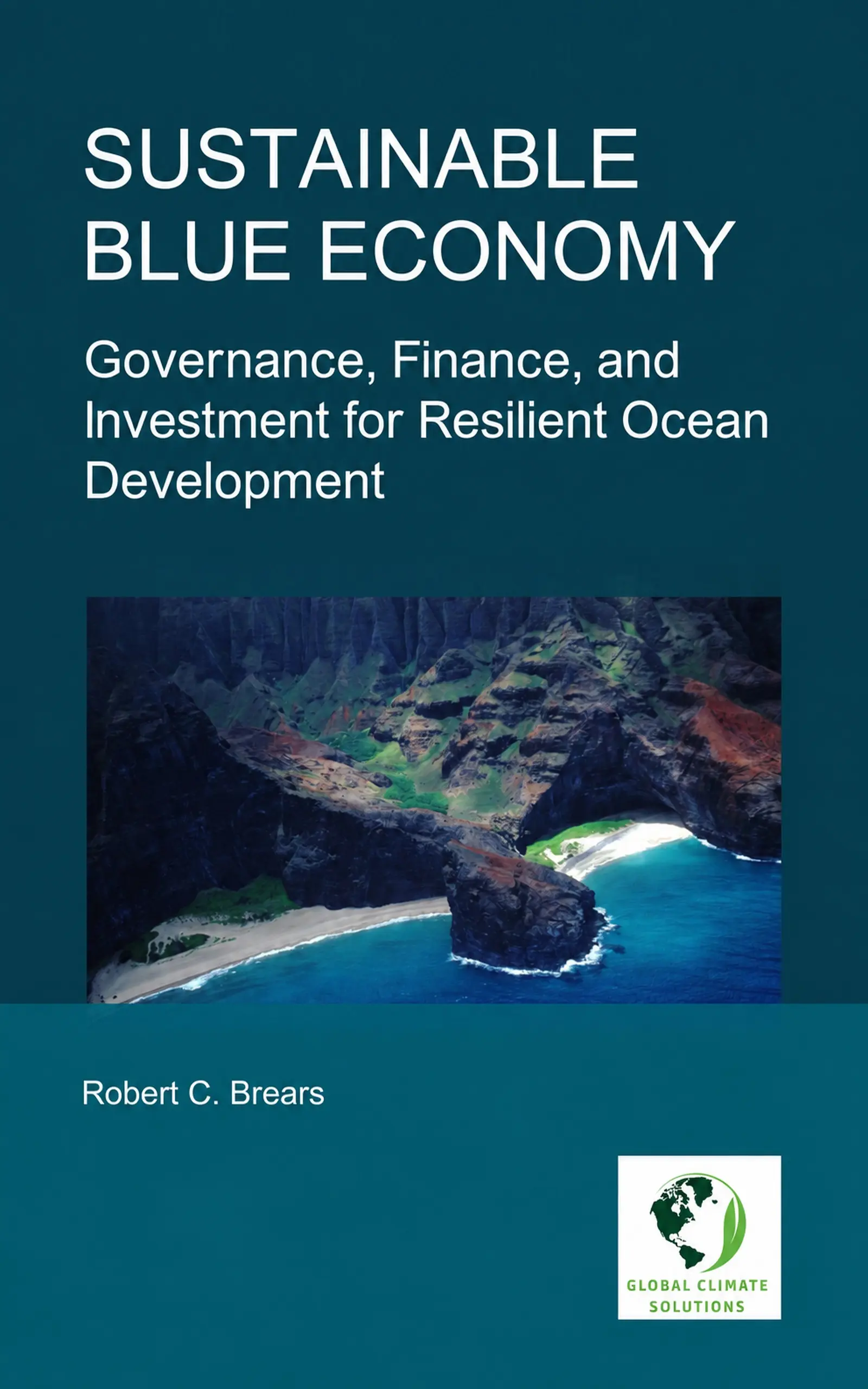
Governance, Finance, and Investment for Resilient Ocean Development
Japan’s sovereign transition bonds connect public capital with industrial technology development, infrastructure needs, and transparent reporting.
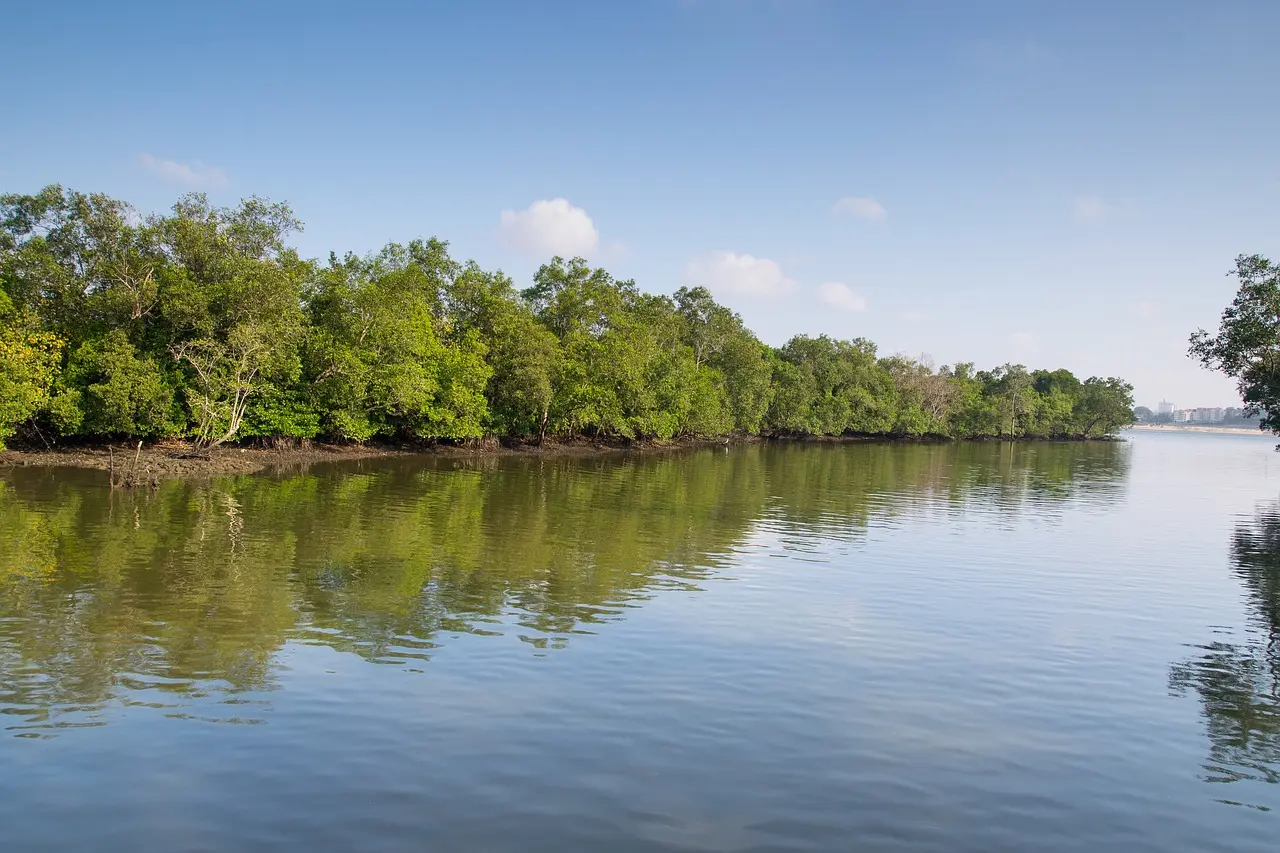
Singapore’s coastal plans bring tidal drainage, mangrove habitat, and infrastructure financing into a single adaptation decision.

A Spanish irrigation project shows how a public funding ceiling and a growers’ contribution can support shared investments in water reliability.
Transport systems remain major sources of greenhouse gas emissions, while limited charging access can constrain vehicle electrification.
Carbon markets can mobilise sustainable finance, but fragmented infrastructure and limited institutional capacity can restrict participation.

Climate policy increasingly combines emissions reduction with economic competitiveness to support long-term resilience and sustainable development.

Electric public transport systems reduce transport emissions while supporting more efficient and resilient urban mobility.

Explore how the Kenya Go Blue-Green Bond Programme mobilises sustainable finance to strengthen climate resilience, marine conservation, and the blue economy.

Explore how England’s NCPGS funds peatland restoration to reduce emissions, enhance carbon storage, and improve ecosystem resilience at scale.
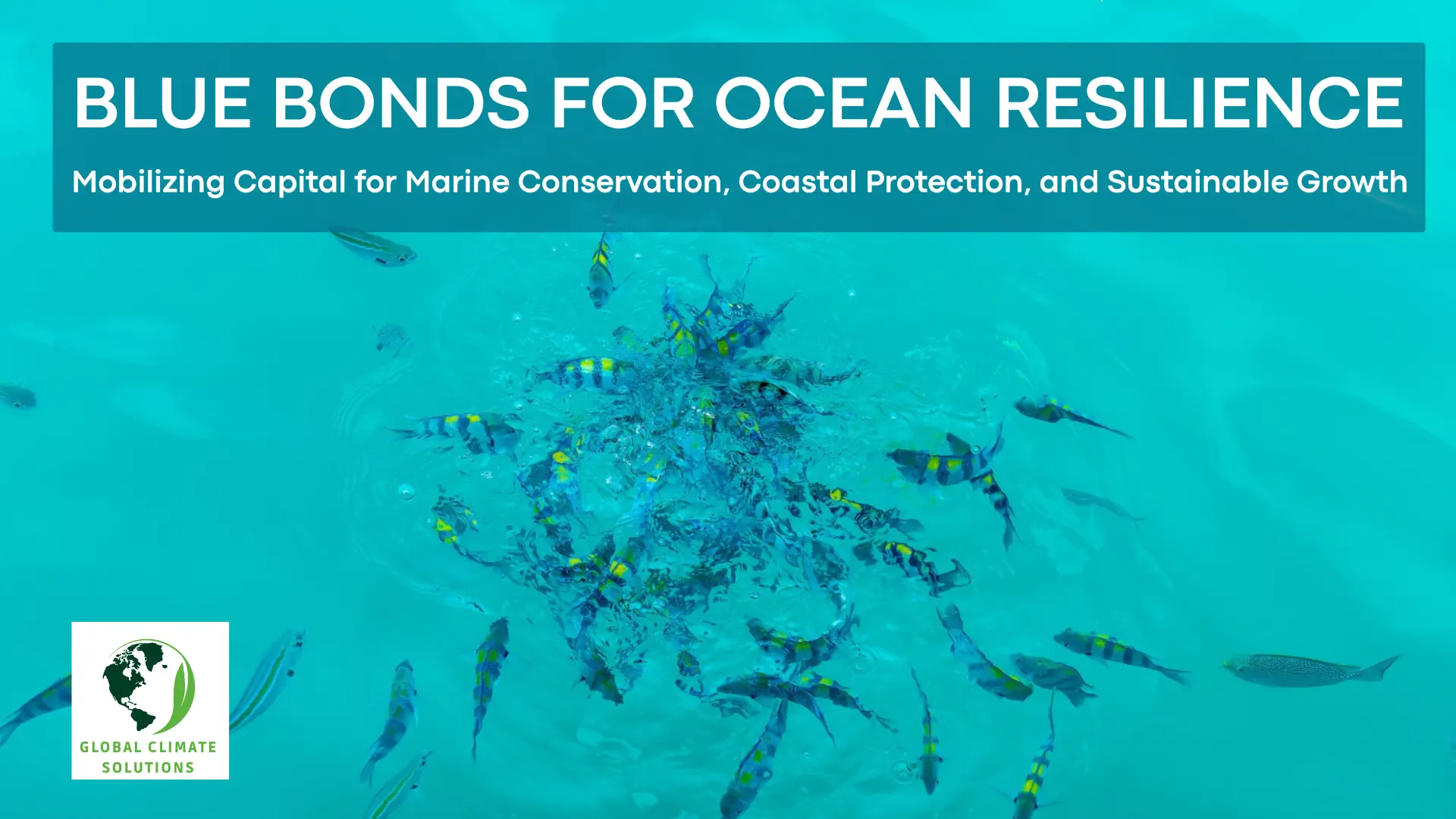
Blue bonds channel capital into marine conservation, coastal resilience, sustainable infrastructure, and ocean economies through targeted climate-smart finance.

Explore how Singapore’s Green Bond Framework finances coastal resilience, flood protection, and long-term climate adaptation projects.

Explore how Japan’s climate transition bonds mobilize capital to decarbonize heavy industry through structured finance aligned with global net zero goals.

Explore how carbon finance mechanisms support land restoration, biodiversity, and climate resilience through market-based incentives and verified carbon outcomes.

Discover how the London Community Energy Fund mobilises public grants and local capital to accelerate small-scale renewables and urban decarbonisation.

Blue bonds mobilize long-term capital for coastal resilience by pooling risk, standardizing reporting, and aligning finance with ocean protection goals.
Explore essential books on net-zero governance, climate finance, and corporate transition strategies to help business and government accelerate real decarbonization.
Learn how blended finance unlocks climate investment by reducing risk, attracting private capital, and supporting large-scale mitigation and adaptation projects.
🇦🇺 Learn how Australia’s Carbon Credit Unit (ACCU) Scheme enables farmers, land managers, and businesses to generate income while restoring ecosystems and reducing emissions — setting a model for transparent, high-integrity carbon markets.
💡 Discover how Seychelles’ pioneering Sovereign Blue Bond—supported by the World Bank and GEF—mobilized global investors to fund sustainable fisheries, marine protection, and community resilience.

Climate change requires transformative solutions that go beyond traditional mitigation and adaptation measures.

Financing environmental projects is central to meeting climate, biodiversity, and sustainability objectives.

Voluntary biodiversity credit trading is a market-based mechanism to mobilize private sector finance for conservation.
Climate change is an urgent global issue, demanding innovative financial solutions.
Crowdfunding and community investment have emerged as transformative financing mechanisms for nature-based solutions, marking a shift in how environmental projects are funded.

Climate finance is crucial in mitigating climate change and achieving the 1.5°C global warming limit.

Blue carbon ecosystems, including salt marshes, mangroves, and seagrass meadows, are vital in the fight against climate change.

As the world focuses on addressing urgent climate challenges, the spotlight is on nature-based solutions as a cost-effective resilience strategy.
URL image: Light Bulb Is Located On Soil Plants Grow On Stacked Coins Renewable Energy Generation Is Essential For The Future Renewable Energybased Green Business Can Limit Climate Change And Global Warming Stock Photo - Download Image Now - iStock.

The global energy sector is undergoing a seismic shift, transitioning from fossil-based systems—such as oil, natural gas, and coal—to renewable energy sources like solar and wind.