Coastal and marine planners
Planning teams evaluating where restoration belongs alongside development, infrastructure, and other uses of the coast.

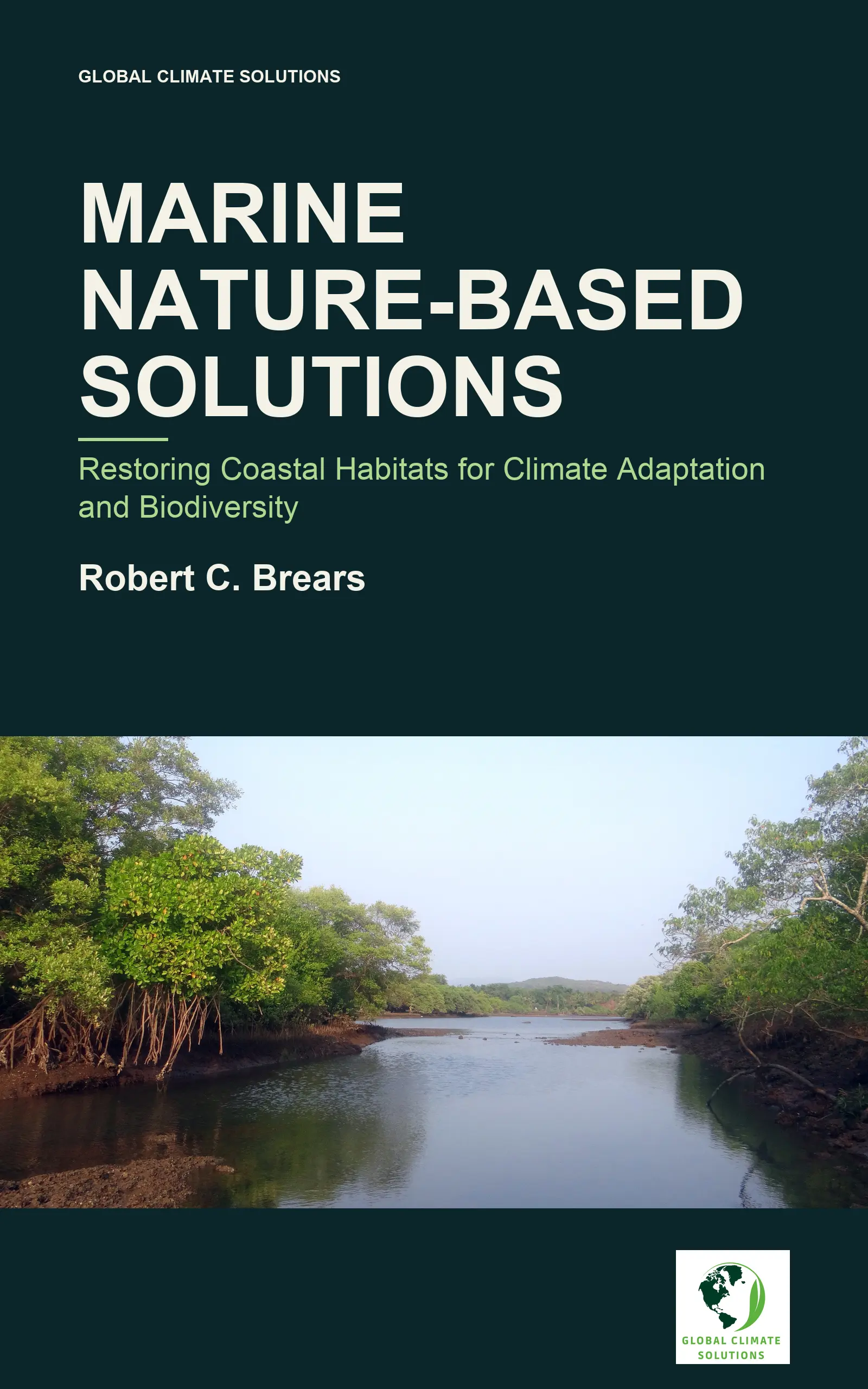
Restoring Coastal Habitats for Climate Adaptation and Biodiversity
ISBN 978-1-991367-18-1 · Global Climate Solutions · First EditionA restored shoreline can look healthy long before it delivers reliable protection. How do you tell whether a mangrove, marsh, or reef can reduce risk at the site you’re planning?
For coastal planners, restoration practitioners, and investment teams, Robert C. Brears lays out a way to screen projects before committing funds. Start with the hazard and who faces it. Then test whether the proposed habitat can function under local conditions, including pressures that originate upstream.
Compare restoration methods and consider where they can work alongside engineered defenses. Examine who holds rights, who bears the costs, and who will maintain the project. Weigh avoided losses and other benefits against long-term costs and uncertainty.
Use the book to set monitoring thresholds before work begins and decide when evidence warrants a change of course. It connects decisions at individual sites to wider choices about fisheries, tourism, ports, and how to scale a program without losing sight of local conditions.
Define the coastal problem, ecological mechanism, beneficiaries, and measurable outcome before choosing an intervention.
Assess flooding and erosion alongside habitat degradation, future exposure, and social vulnerability.
Screen restoration sites using habitat suitability, catchment pressures, competing marine uses, and room for ecosystems to migrate.
Choose restoration methods and governance arrangements that account for ecological trade-offs, tenure, Indigenous knowledge, and fair benefit sharing.
Compare investment options using life-cycle costs, avoided losses, uncertainty, and obligations for ongoing stewardship.
Build monitoring systems that link ecological indicators, risk and social outcomes, and field evidence to decisions about when to adapt.
Scale restoration across a portfolio while retaining site-specific safeguards for fisheries, tourism, working waterfronts, and aquaculture.
Introduction: Why Marine Nature-Based Solutions Matter Now
Chapter 1: Defining Marine Nature-Based Solutions as a System
Chapter 2: Coastal Risk, Climate Change, and Biodiversity Loss
Chapter 3: Planning at the Land-Sea Interface
Chapter 4: Designing and Delivering Restoration
Chapter 5: Governance, Rights, and Participation
Chapter 6: Finance, Valuation, and Investment Decisions
Chapter 7: Measuring Performance and Learning Over Time
Chapter 8: Integrating Nature-Based Solutions Into Coastal Economies
Chapter 9: Scaling Delivery for a Changing Coast
Conclusion: Restoring Coastal Resilience With Ecological Integrity
Planning teams evaluating where restoration belongs alongside development, infrastructure, and other uses of the coast.
Practitioners choosing restoration mechanisms, managing delivery, and testing ecological and protective performance.
Public officials and community organizations coordinating rights, participation, accountability, and long-term care.
Analysts evaluating life-cycle budgets, evidence of risk reduction, investment conditions, and safeguards.
Fisheries, tourism, port, and aquaculture teams assessing how their operations affect and depend on functioning coastal ecosystems.

Robert C. Brears is the founder and editor-in-chief of Global Climate Solutions. His work connects climate resilience, water security, nature-based solutions, sustainable finance and the transition to more resilient cities and industries.
View author profile →A restored shoreline can look healthy long before it delivers reliable protection. How do you tell whether a mangrove, marsh, or reef can reduce risk at the site you’re planning?

Japan connects crop adaptation, supply contracts, storage, and traceability through a national program for stable year-round vegetable supply.

Shared reuse services need convenient returns, dependable cleaning, and clear operating roles. Banff offers practical lessons for connecting these requirements.
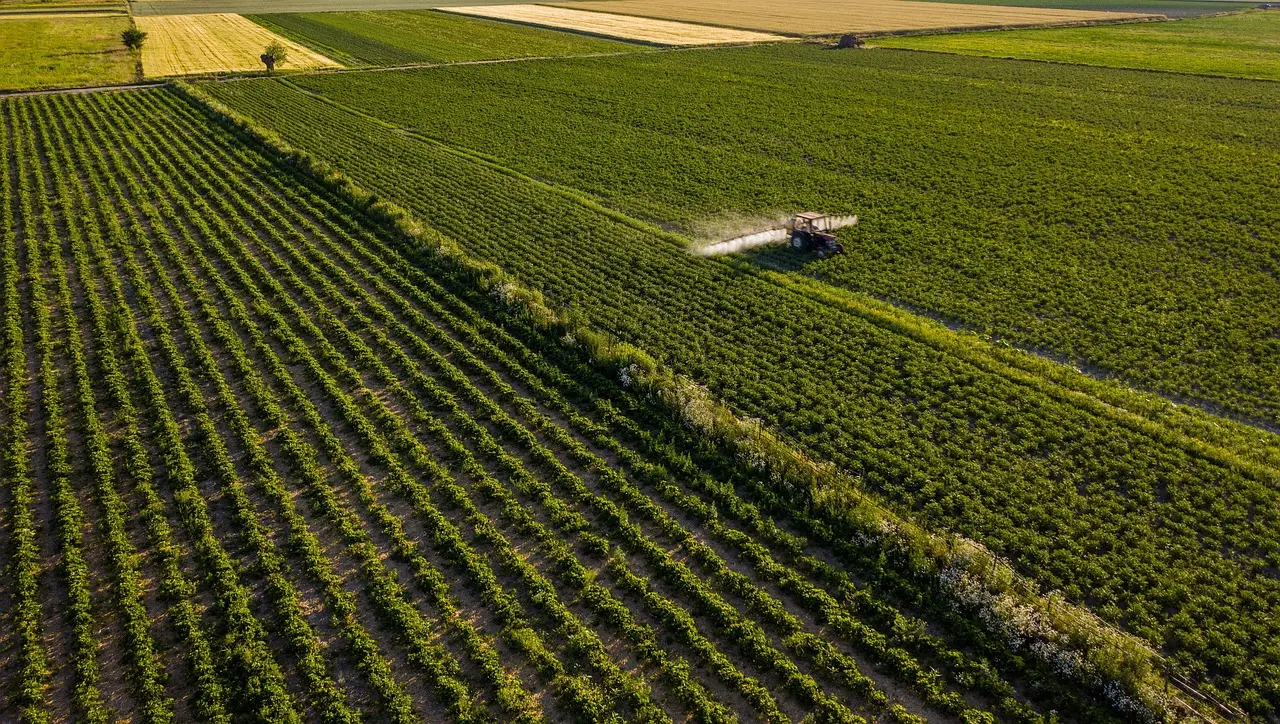
Agricultural digital twins can connect environmental observations with scenario testing, helping advisers compare options before organizing field trials.