
Heat, drought, and heavy rainfall can disrupt harvests and the businesses that depend on them. Climate-resilient food systems connect practical farm adaptation with reliable storage, distribution, and purchasing arrangements. Coordinating these functions helps food supply chains prepare for changing growing conditions. Read how Japan’s year-round vegetable-supply program links crop protection with longer-term supply contracts.
Food Systems and Climate Exposure
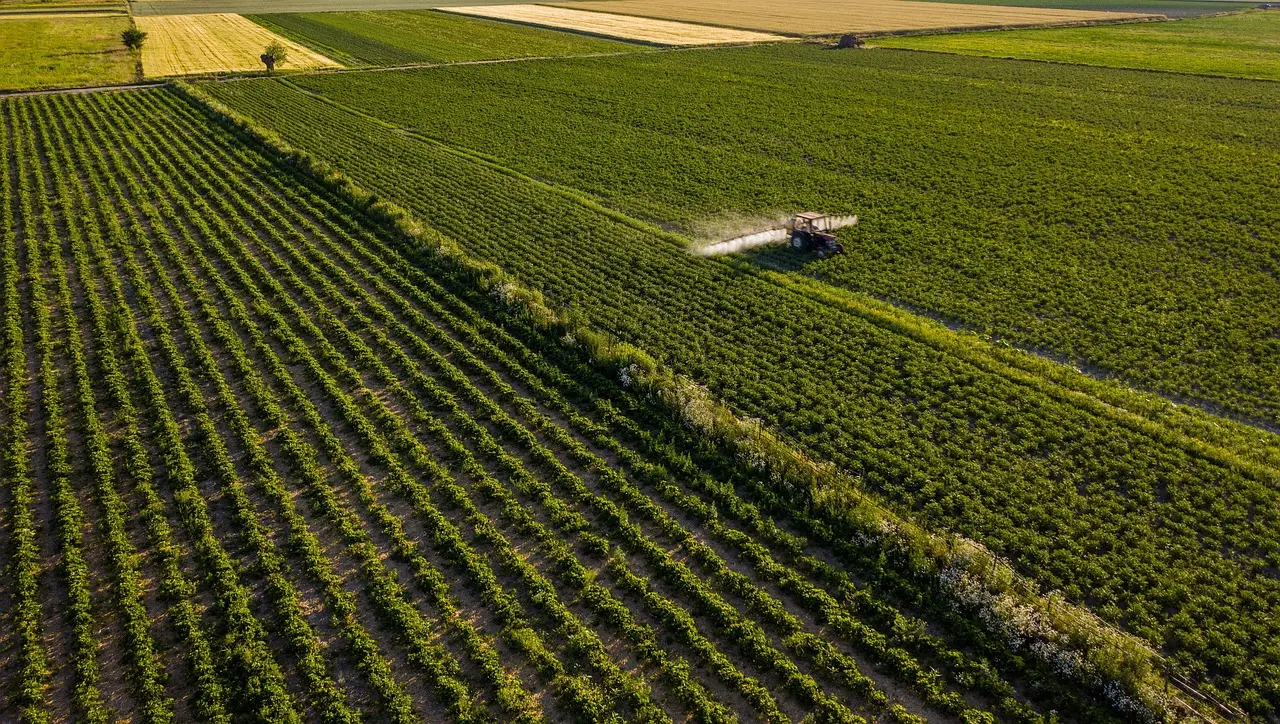
Food systems face climate risks at several connected stages. Heat can affect crop development, while drought limits the water available for production. Heavy rainfall can damage fields and interrupt movement between farms and markets. Understanding these connections helps decision-makers identify where disruption could spread. Adaptation therefore begins with the conditions facing particular crops and the businesses handling them. A useful response links field management with delivery schedules and buyer requirements. This keeps attention on maintaining food supply through the whole chain.
Food Systems With Adapted Cultivation
Farm adaptation combines suitable varieties with management that addresses local growing conditions. Heat-tolerant crops, shade, and air circulation can help manage exposure to high temperatures. Irrigation equipment supports water delivery where supplies and permissions allow its use. Drainage and soil improvements address different problems, including excess water and poor field conditions. These measures work best as a coordinated package rather than isolated purchases. Choosing the package requires attention to the crop, season, and production system. Practical support can help producers introduce appropriate techniques and maintain their use.
Supply Contracts and Production Planning
Supply contracts connect adaptation decisions with a defined market. Producers and buyers can agree on the crop, supply period, and expected quantity or cultivated area. These arrangements give participating businesses a common basis for planning. Changes in planting schedules can then be coordinated with processing and distribution needs. When intermediaries handle produce, including the final buyer helps align expectations across the chain. Public programs can make this coordination part of their support conditions. The practical lesson is to connect production improvements with the demand they serve.
Storage, Traceability, and Shared Delivery
Food-system resilience also depends on what happens after harvest. Precooling and refrigerated storage help preserve produce and support more consistent dispatch. Suitable containers can simplify handling between farms and buyers. Traceability keeps the producer’s identity connected to the vegetables moving through the chain. Together, these arrangements make supply planning more practical for participating businesses. Recording activities and reviewing delivery helps program managers understand whether agreed measures are being implemented. Linking this work with cultivation support brings farm adaptation and food distribution into the same operating framework.
Case Study: Japan’s Year-Round Vegetable-Supply Program
Japan’s Ministry of Agriculture, Forestry and Fisheries supports climate adaptation through its program for strengthening year-round domestic vegetable supply. The Agriculture & Livestock Industries Corporation administers the support. For fiscal 2026, its published selection list names four producer groups growing daikon, broccoli, and carrots. They are located in Aomori, Kumamoto, and Kagoshima. These selected groups connect the national support framework with specific vegetable-producing areas and commercial crops.
The program’s implementation rules combine three-year supply commitments with practical changes in cultivation and distribution. Participating organizations must conclude supply contracts before shipment. Contracts specify the supply period and quantity or area. When an intermediary participates, the agreement also includes the end user. Eligible producer groups receive area-based support of ¥150,000 per 0.1 hectare for the three-year undertaking. This is a single support amount covering the commitment, rather than an annual payment.
Crop-stability measures include drainage, soil improvement, heat-tolerant varieties, and irrigation tubing. Protected cultivation can use circulation fans and shade nets. The rules combine selected crop-stability measures with production planning, traceability, and arrangements such as refrigerated storage. Participating organizations report their activities and contract fulfillment, while the administering agency reviews documentation and can conduct site checks. These requirements connect public support with identifiable fields, buyers, and delivery responsibilities. The approach shows how a national program can bring farm adaptation and dependable purchasing into one arrangement. Its practical contribution is the coordination of cultivation, logistics, and demand around more stable vegetable supply.
Conclusion
Climate-resilient food systems connect suitable farming practices with the businesses that store, move, and purchase food. Public support can strengthen these connections by making coordinated production and supply arrangements part of implementation. This creates a practical framework for preparing food supply chains for climate shocks.