Agriculture & Food
Climate-Resilient Food Systems: Japan’s Approach to Stable Vegetable Supply
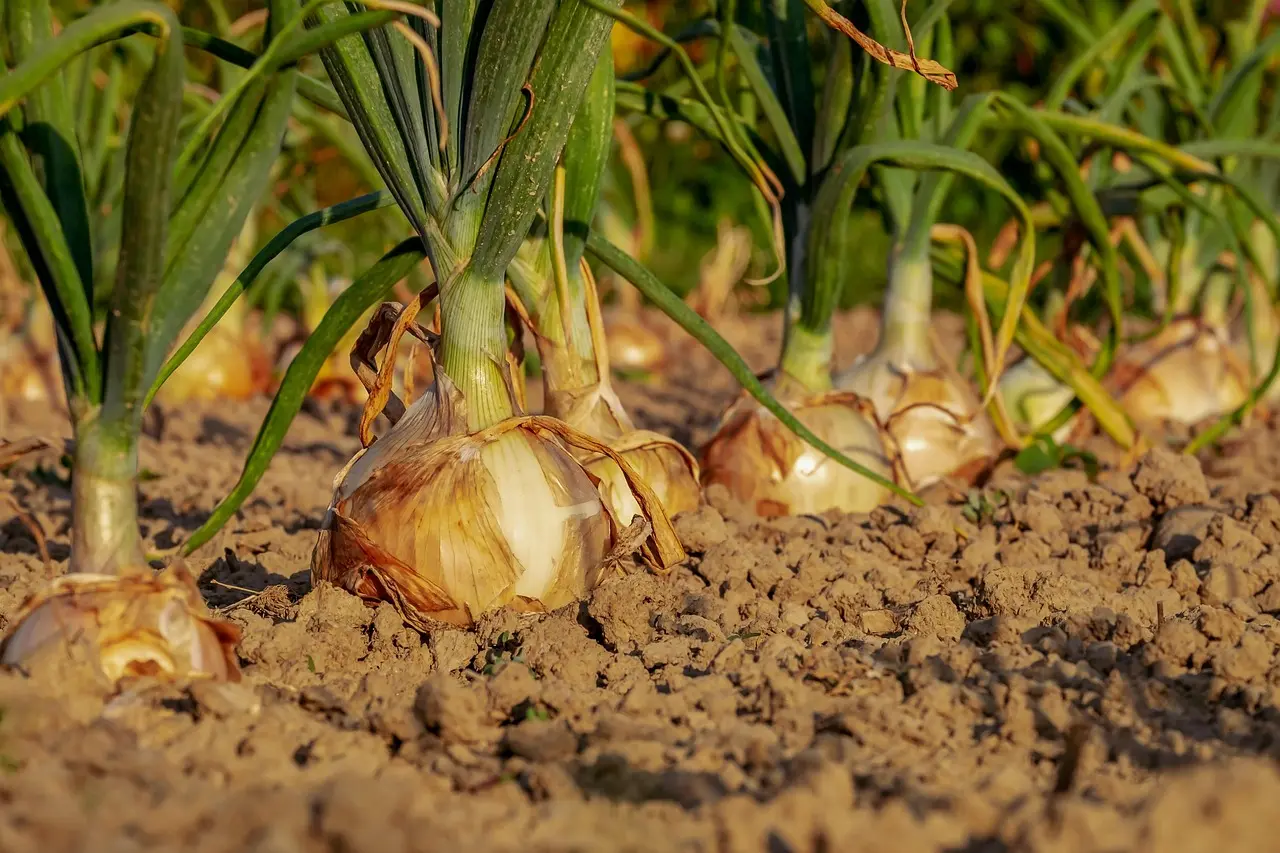
Japan connects crop adaptation, supply contracts, storage, and traceability through a national program for stable year-round vegetable supply.

Resilient production, landscapes and food security. Explore 20 published GCS insights and 4 books.

Evaluating Farm Decisions, Field Performance, and Adoption Risks
Planning Productive, Equitable, and Resilient Food Systems in Cities
Japan connects crop adaptation, supply contracts, storage, and traceability through a national program for stable year-round vegetable supply.
Agricultural digital twins can connect environmental observations with scenario testing, helping advisers compare options before organizing field trials.
Agricultural systems face growing drought, heat, water, and production risks that can weaken climate resilience and long-term sustainability.
Explore how integrated policy frameworks and Australia’s Climate-Smart Agriculture Program strengthen resilience, emissions reduction, and sustainable land management.
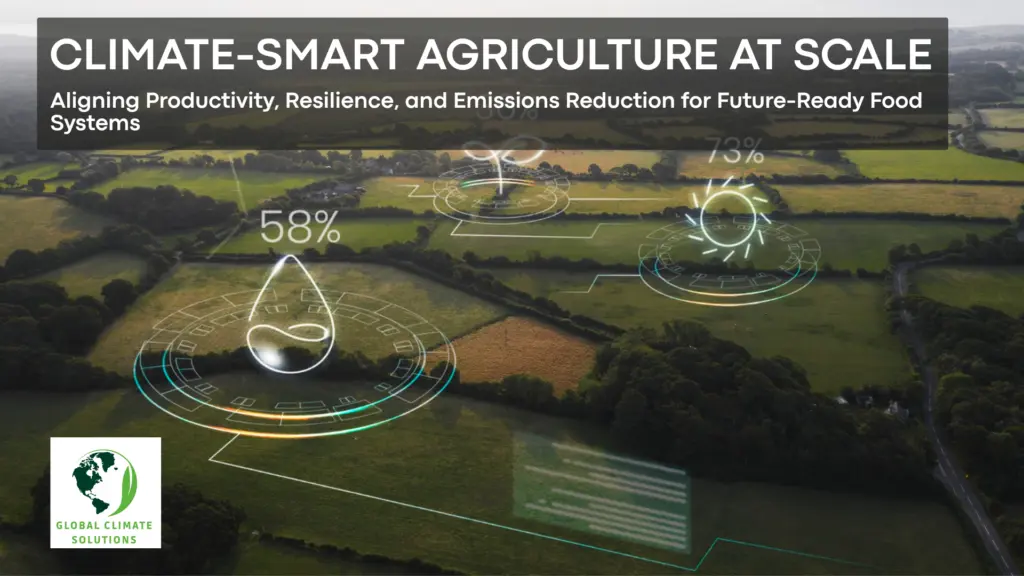
Climate-smart agriculture integrates resource efficiency, soil health, water stewardship, and circular livestock systems to strengthen food system resilience while reducing emissions and safeguarding long-term productivity.
Discover how agroforestry improves soil health, enhances biodiversity, sequesters carbon, and strengthens rural economies through climate-smart land management.
Simulation models support sustainable agriculture by reducing runoff, erosion, and nutrient losses while improving land and water management decisions.
Recent years have witnessed a growing recognition of the complex interplay between climate variability, sustainable agricultural practices, food insecurity, and land use.
Methane (CH4), a primary component of natural gas, plays a significant role in global warming, accounting for more than 25% of current warming trends.
In 2023, the planet recorded its highest global temperatures in over 100,000 years, indicating the accelerating pace of climate change.

Climate change is a pressing issue that demands immediate attention. One of the most effective ways to combat this global crisis is by reducing waste and reusing resources.
Climate change education, a critical tool for understanding and addressing the impacts of climate change, is designed to promote sustainable lifestyles and help populations, particularly in low-income countries, adapt to these changing conditions.
IMAGE LINK: Stethoscope Listening Planet Earth Global Healthcare Stethoscope Wrapped Around Globe On White Background Global Health And Green Earth Day Concept Elements Of This Image Were Furnished By Nasa Stock Photo - Download Image Now - iStock.
Climate change and biodiversity loss heightened the urgency of sustainable urban development.
In the face of mounting challenges due to climate change, adopting sustainable and resilient agricultural practices has become increasingly critical.
Extreme weather events, such as droughts, floods, and hurricanes, pose significant challenges to agriculture.

Offshore wind energy is increasingly recognized as essential in sustainable energy strategies.
Precision agriculture integrates AI and data-driven technologies to optimize farming operations and resource utilization and has the potential to improve water efficiency significantly, a critical aspect of agriculture.
Food security is a significant challenge in arid regions, where traditional agriculture contributes to greenhouse gas emissions and uses large amounts of freshwater.
The impact of climate change on essential resources like water and food is increasingly significant.