Farm managers and operators
People evaluating tools for crop and livestock decisions and planning how those tools fit into daily work.


Evaluating Farm Decisions, Field Performance, and Adoption Risks
ISBN 978-1-991367-22-8 · Global Climate Solutions · First EditionA crop disease alert is only useful if someone has time to check it and act. The same test applies to an irrigation recommendation, a livestock warning, or an automated sprayer.
Robert C. Brears helps farm managers, agronomists, and technology teams decide when an AI tool earns a place in the operation. Start with a decision the farm already makes, compare the tool with current practice, and identify what an error would cost.
Examples from crop and livestock systems show how differences in seasons, data quality, and staffing can change results. The book also examines what farmers and advisers need from vendors, including access to data and a clear way to override a recommendation.
Use these questions to design a pilot that measures field outcomes, labor, and false alerts. Set the conditions for changing or ending the trial, and determine what evidence you would need before expanding it.
Define the farm decision, timing, and data needed before selecting an AI tool.
Evaluate an AI tool against current practice using field outcomes, error costs, and staff workload.
Assess how evidence from crop and livestock applications transfers across farms, regions, and seasons.
Recognize adoption barriers involving connectivity, data access, skills, and the distribution of costs and benefits.
Design a pilot with escalation rules, performance checks, and criteria for stopping or scaling.
Identify where evidence about autonomy, whole-farm costs, and benefits after a pilot remains limited.
Introduction: The Decision Problem Behind Agricultural AI
Chapter 1: From Farm Data to Decision-Ready Intelligence
Chapter 2: Measuring Field Performance Beyond Model Accuracy
Chapter 3: Applying AI Across Crop and Livestock Systems
Chapter 4: Adoption Risks, Governance, and Distributional Effects
Chapter 5: Building Credible Pathways for Responsible Scale
Conclusion: AI as Accountable Agricultural Decision Support
People evaluating tools for crop and livestock decisions and planning how those tools fit into daily work.
Advisers helping farms interpret field evidence, detect errors, and set limits for use.
Teams designing trials, procurement criteria, and monitoring plans for farm AI.
Decision-makers assessing evidence on adoption, access, accountability, and support for responsible scale.

Robert C. Brears is the founder and editor-in-chief of Global Climate Solutions. His work connects climate resilience, water security, nature-based solutions, sustainable finance and the transition to more resilient cities and industries.
View author profile →A crop disease alert is only useful if someone has time to check it and act. The same test applies to an irrigation recommendation, a livestock warning, or an automated sprayer.

Japan’s sovereign transition bonds connect public capital with industrial technology development, infrastructure needs, and transparent reporting.

Singapore’s coastal plans bring tidal drainage, mangrove habitat, and infrastructure financing into a single adaptation decision.
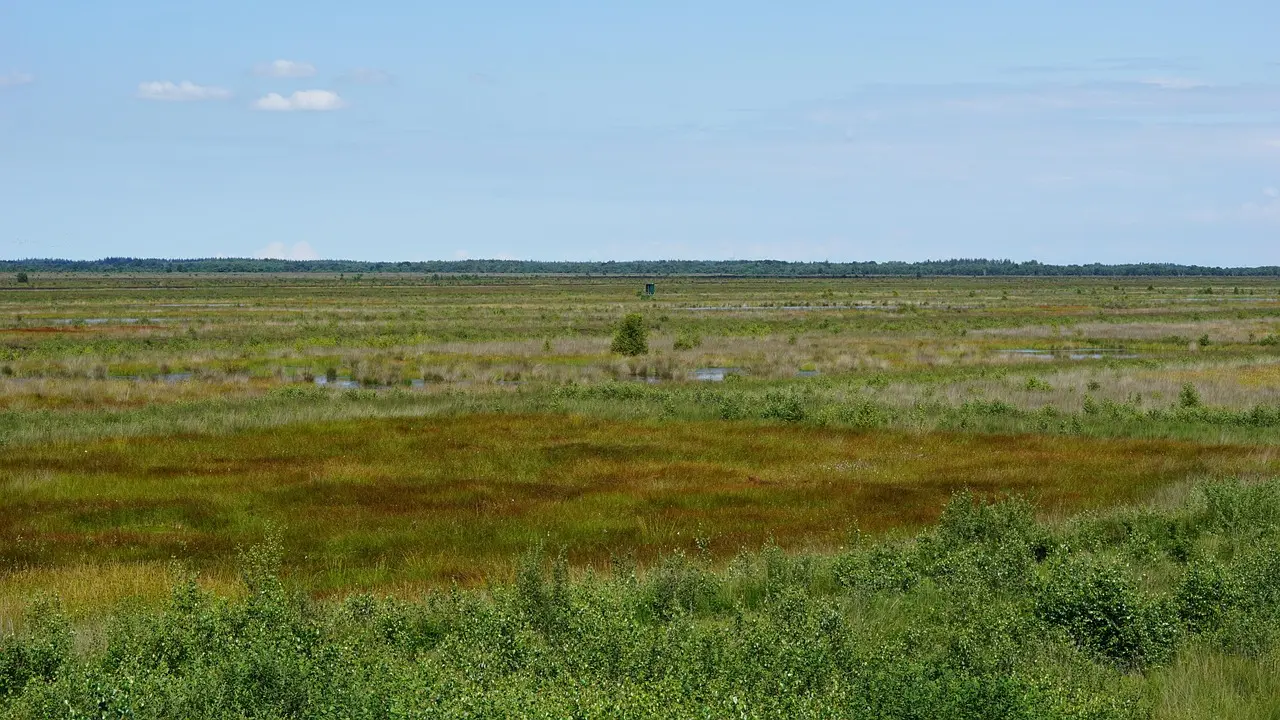
Mapping connected drains helps restoration partners decide where to raise water levels, secure landowner permission, and monitor how a bog responds.