Edited volume
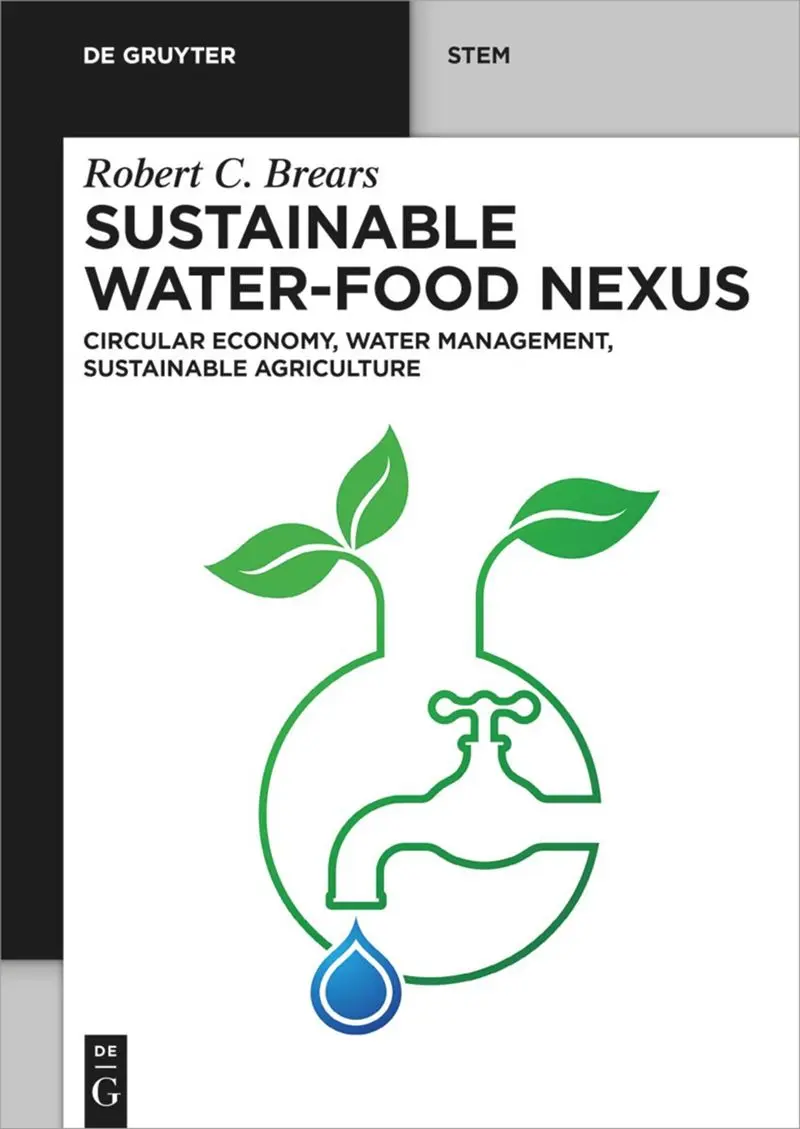
Sustainable Water-Food Nexus: Circular Economy, Water Management, Sustainable Agriculture
ISBN 9783111341385 · De GruyterKnowledge for practical climate action.
The Sustainable Water-Food Nexus explores how circular-economy principles can strengthen two inseparable systems: the water people depend on and the food they produce and consume. It shows how resource efficiency, conservation and reuse can reduce pressure on water supplies while supporting more resilient agriculture and food systems.
Contributors examine water-efficient production, nature-based solutions, nutrient and water recovery, energy use, urban agriculture and emerging technologies. The book also considers the investment, partnerships, policy and regulatory settings needed to move promising interventions beyond isolated projects.
Combining practical cases with forward-looking analysis, the volume is designed for policymakers, practitioners, researchers and students seeking integrated responses to water scarcity, food security and environmental decline.
For readers turning evidence into action.
Practitioners
Researchers and students

Robert C. Brears
Robert C. Brears is the founder and editor-in-chief of Global Climate Solutions. His work connects climate resilience, water security, nature-based solutions, sustainable finance and the transition to more resilient cities and industries.
View author profile →Publication information.
- Publication
- 2025
- Publisher
- De Gruyter
Explore the subject.
Water-FoodCircular Economy
Read the book
Sustainable Water-Food Nexus: Circular Economy, Water Management, Sustainable Agriculture
An integrated account of circular water and food systems, from resource efficiency and urban agriculture to finance and governance.
Related insights
Read next
Climate Finance
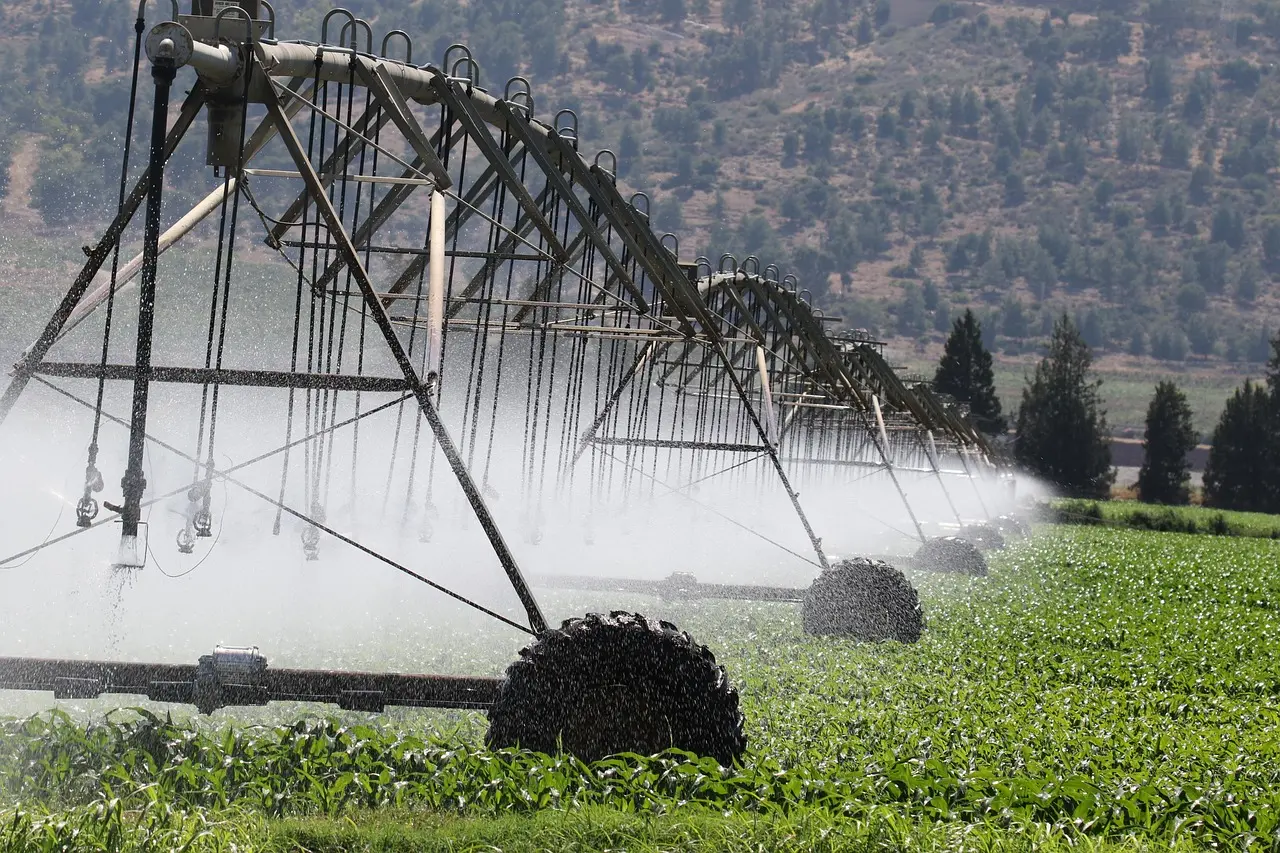
Private Finance for Climate Adaptation: How Spain Shares Irrigation Costs
A Spanish irrigation project shows how a public funding ceiling and a growers’ contribution can support shared investments in water reliability.
Nature-Based Solutions
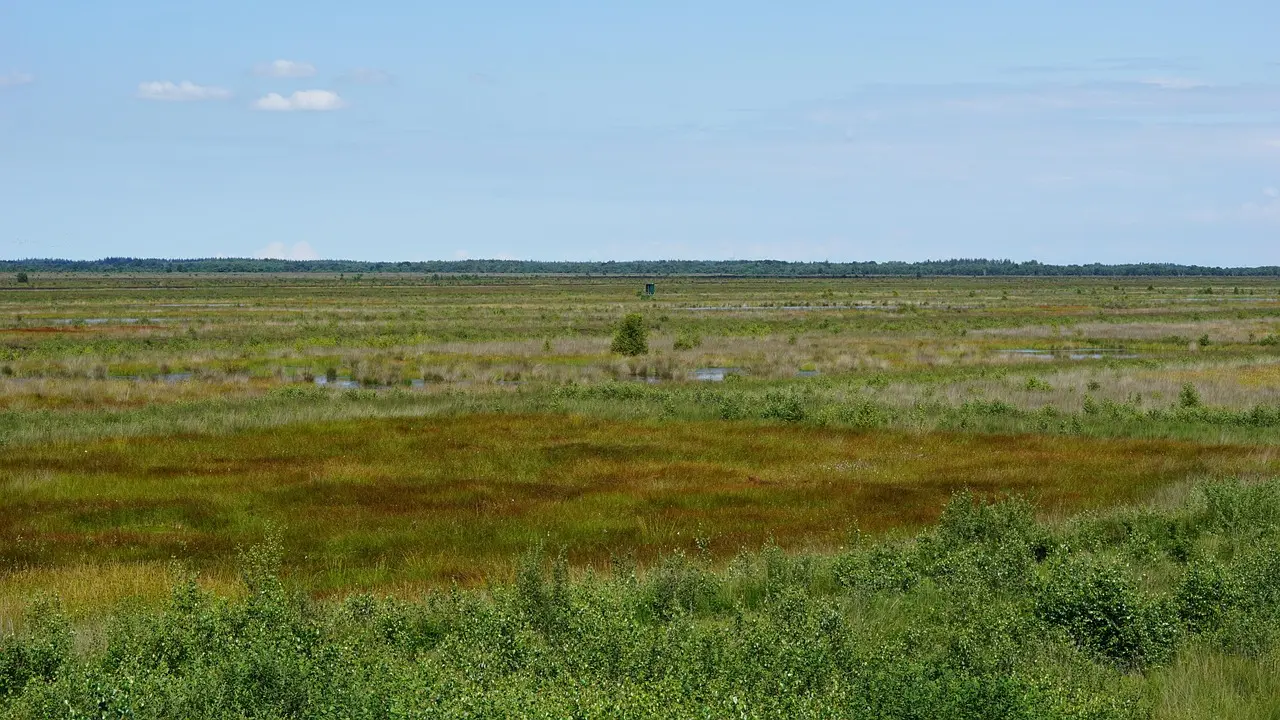
Peatland Restoration Across Property Boundaries
Mapping connected drains helps restoration partners decide where to raise water levels, secure landowner permission, and monitor how a bog responds.
Agriculture & Food
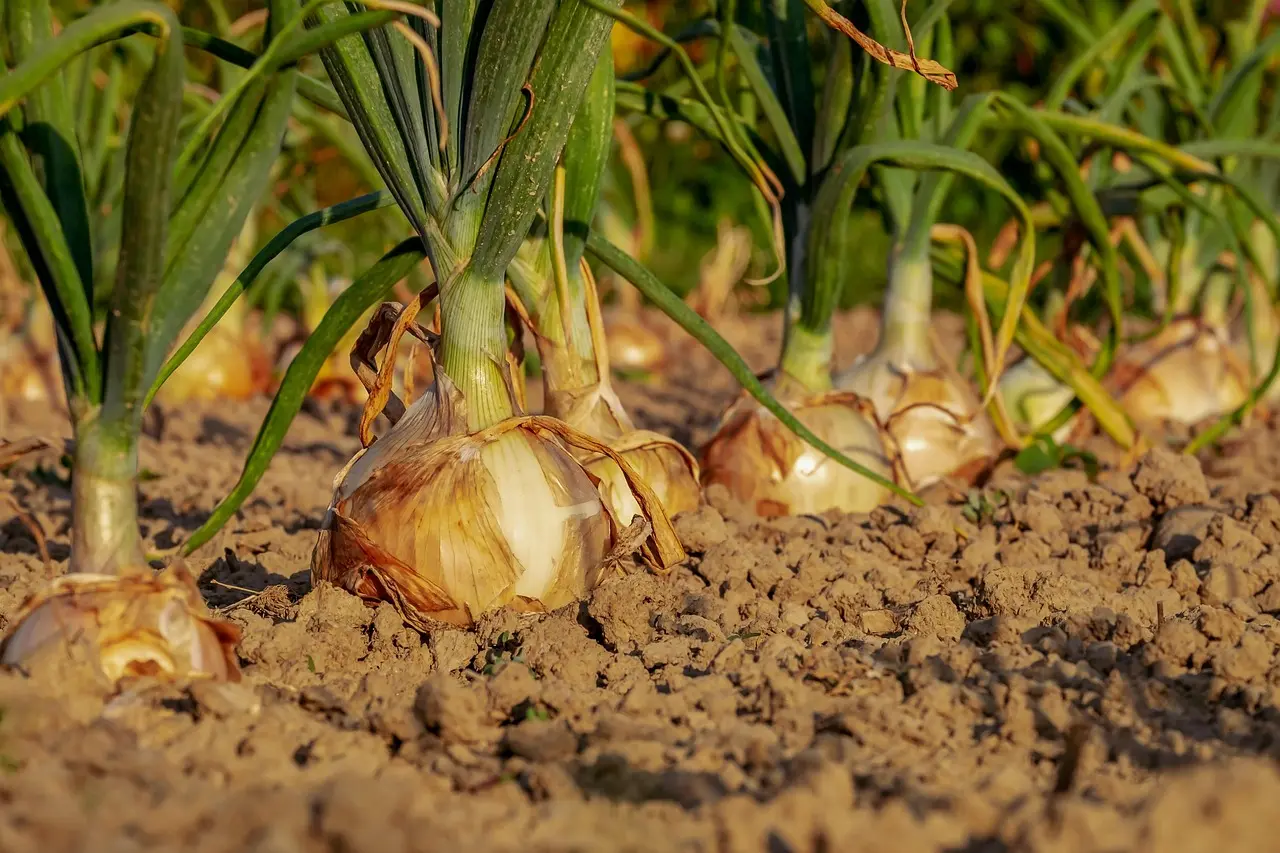
Climate-Resilient Food Systems: Japan’s Approach to Stable Vegetable Supply
Japan connects crop adaptation, supply contracts, storage, and traceability through a national program for stable year-round vegetable supply.
Related books