
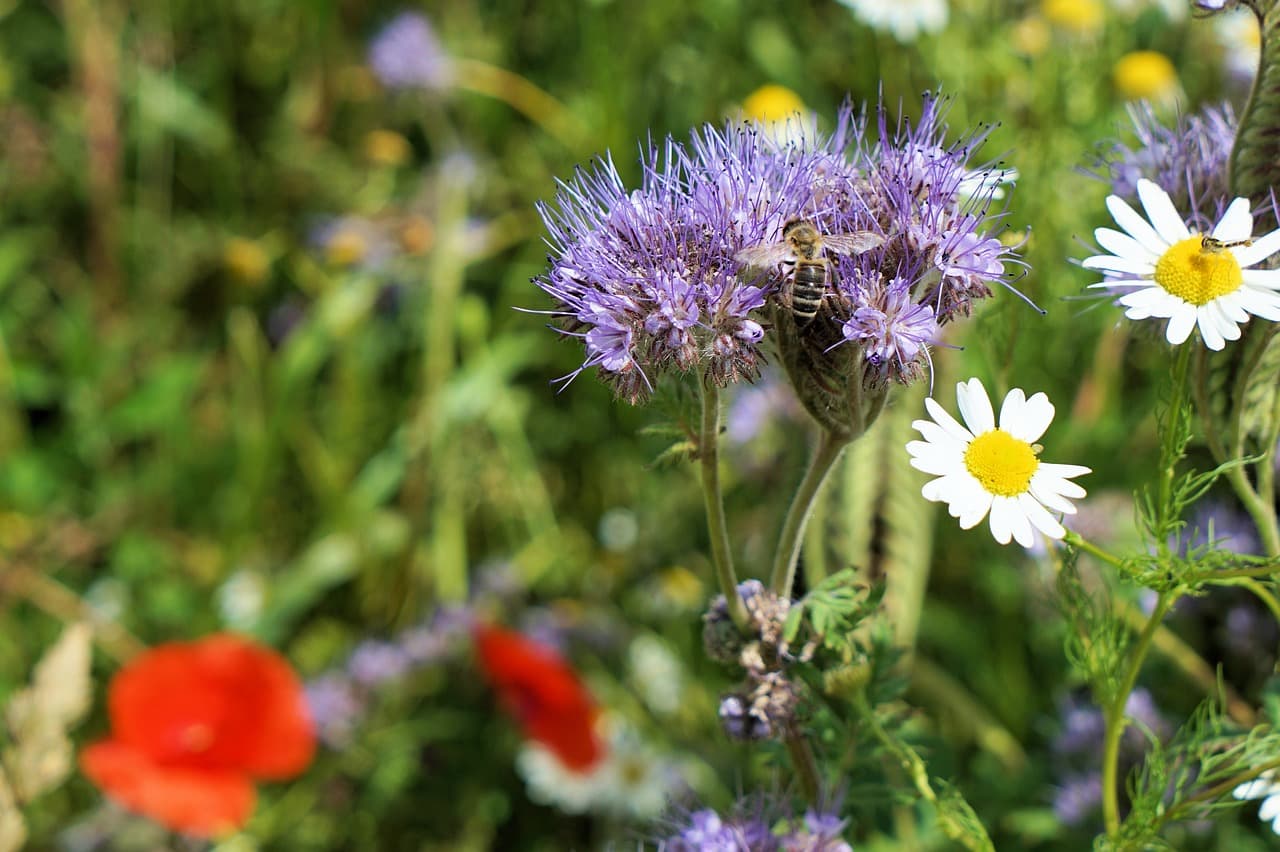
Why Biodiversity Conservation Matters for Climate Action
Biodiversity conservation protects the ecological functions that underpin climate resilience, while accountable restoration finance turns policy commitments into measurable recovery.

Developing the Circular Water Economy shows how water systems can move away from a linear model of extraction, use and disposal. It focuses on reducing consumption, reusing water and recovering energy, nutrients and other resources while improving resilience and lowering environmental impacts.
The book examines the policy innovations, governance arrangements and practical tools that can enable this transition. International cases from different climates and income settings demonstrate how public authorities, utilities, businesses and communities can apply circular principles to local water challenges.
For water professionals, policymakers, planners, researchers and students, it offers a comparative guide to turning circular-water ambitions into coordinated programmes with measurable benefits.
Policymakers
Practitioners
Researchers and students

Biodiversity conservation protects the ecological functions that underpin climate resilience, while accountable restoration finance turns policy commitments into measurable recovery.

Discover how SA Water’s recycled water networks improve water security, support climate resilience, and reduce freshwater demand through sustainable reuse.

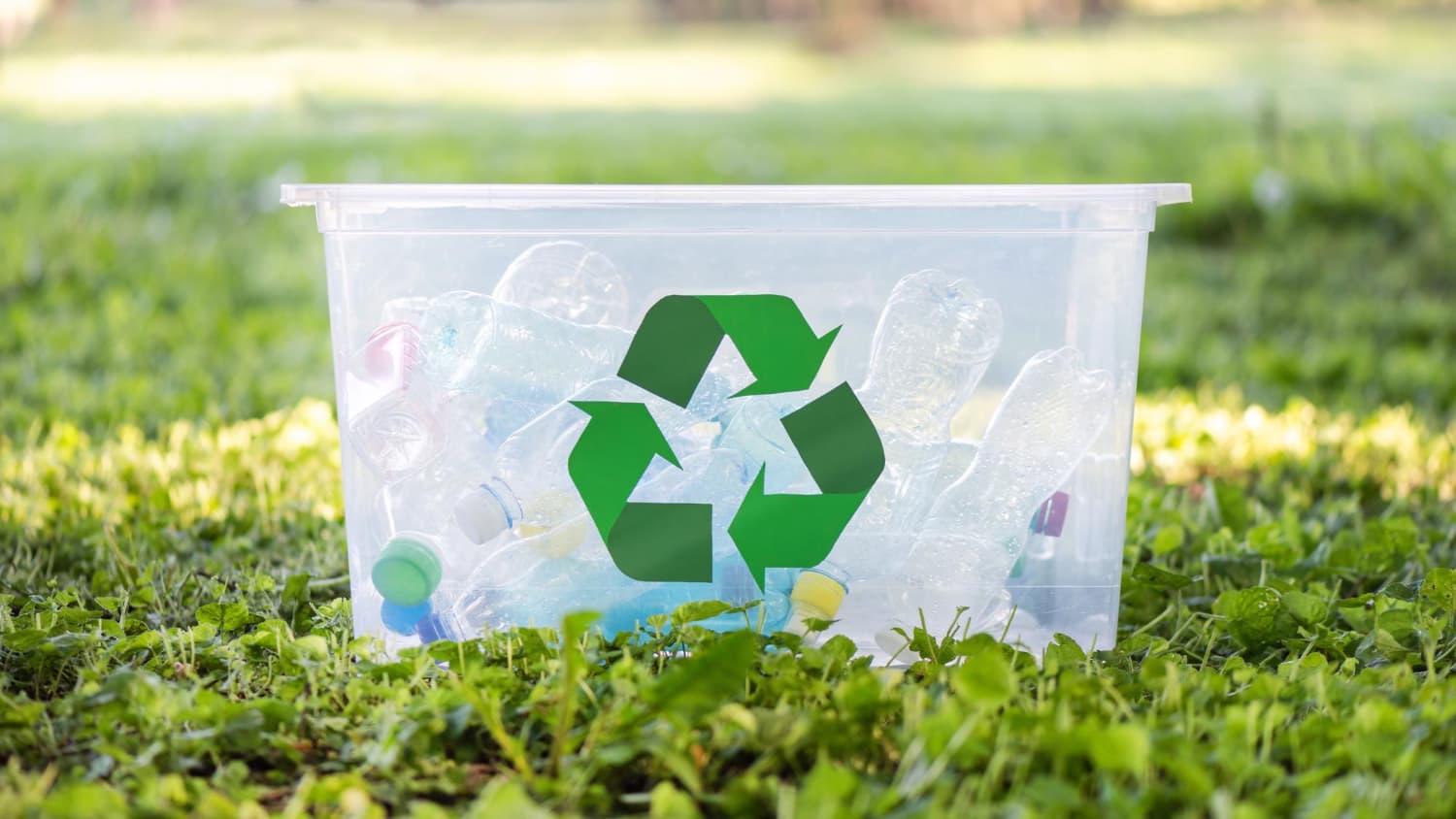
Explore how Canada’s circular plastics economy initiative supports reuse systems, textile recovery, and waste reduction through market-based tools.