
Drought can disrupt irrigation across an entire farming district, leaving growers with a shared problem that individual investments cannot fully solve. Public cofinancing can help growers commit their own capital to infrastructure they use together. Examine how Spain’s Totana irrigation project shares the cost of securing access to alternative water supplies.
Adaptation Finance and Shared Assets
Climate risks can affect many businesses that depend on the same infrastructure. An irrigation network, for example, can serve farms that have different crops and budgets but face the same supply disruption. The expense of upgrading a shared network may exceed what any one grower can justify spending. Pooling commitments through a users’ association gives farmers a way to pay for improvements they can use together. A public contribution can cover part of the initial cost where the project also serves a wider resilience objective.
Adaptation Finance and Cost Sharing
A cost-sharing agreement sets out which expenses qualify and how much each party will contribute. The public share can reduce the upfront burden, while the users’ share gives them a financial stake in the design and delivery. For the arrangement to work, each side needs to know who will cover expenses outside the agreed scope. A funding ceiling also helps decision-makers distinguish the maximum public commitment from the amount ultimately paid. This clarity matters when project budgets change between agreement and delivery.
Water Reliability and Project Design
The choice of equipment follows from the disruption the project needs to address. An alternative water source helps only if a network can carry its water to users when they need it. Storage can help match delivery schedules to demand, and pressurized distribution can move water through a shared system. Designers also need to consider water quality, pumping energy, and the availability of each source. Evaluating these components together helps users decide whether the investment addresses the risk that led them to share costs.
Operating Costs and Long-Term Commitments
The initial financing agreement should connect to the cost of operating the infrastructure. Pumps need electricity, reservoirs need upkeep, and users need a way to budget for repairs. The party responsible for running the system can use these costs to plan contributions beyond construction. It can also identify which operating decisions will affect access during a dry period. This makes long-term service a practical consideration when public agencies and businesses decide what to finance together.
Case Study: Irrigation Cost Sharing in Totana
On September 8, 2026, Spain’s Ministry of Agriculture, Fisheries and Food handed over two irrigation projects to the Tajo-Segura water users’ association in Totana, Murcia. The State Agricultural Infrastructure Company, known by its Spanish acronym SEIASA, carried out the works. They formed part of Spain’s irrigation efficiency and sustainability plan under the Recovery, Transformation and Resilience Plan and received European Union cofinancing. Together the projects serve 4,095 users across 10,766 hectares.
The larger project improved the use and management of water from outside the traditional irrigation supply. The ministry listed a budget of €31,823,000 for this project at its September handover. Under the financing agreement announced in 2024, public funds could cover up to 80% of eligible costs, with the growers’ association contributing the remaining share. The agreement identified a 20% grower contribution. This arrangement tied users’ investment to infrastructure serving the whole irrigation district.
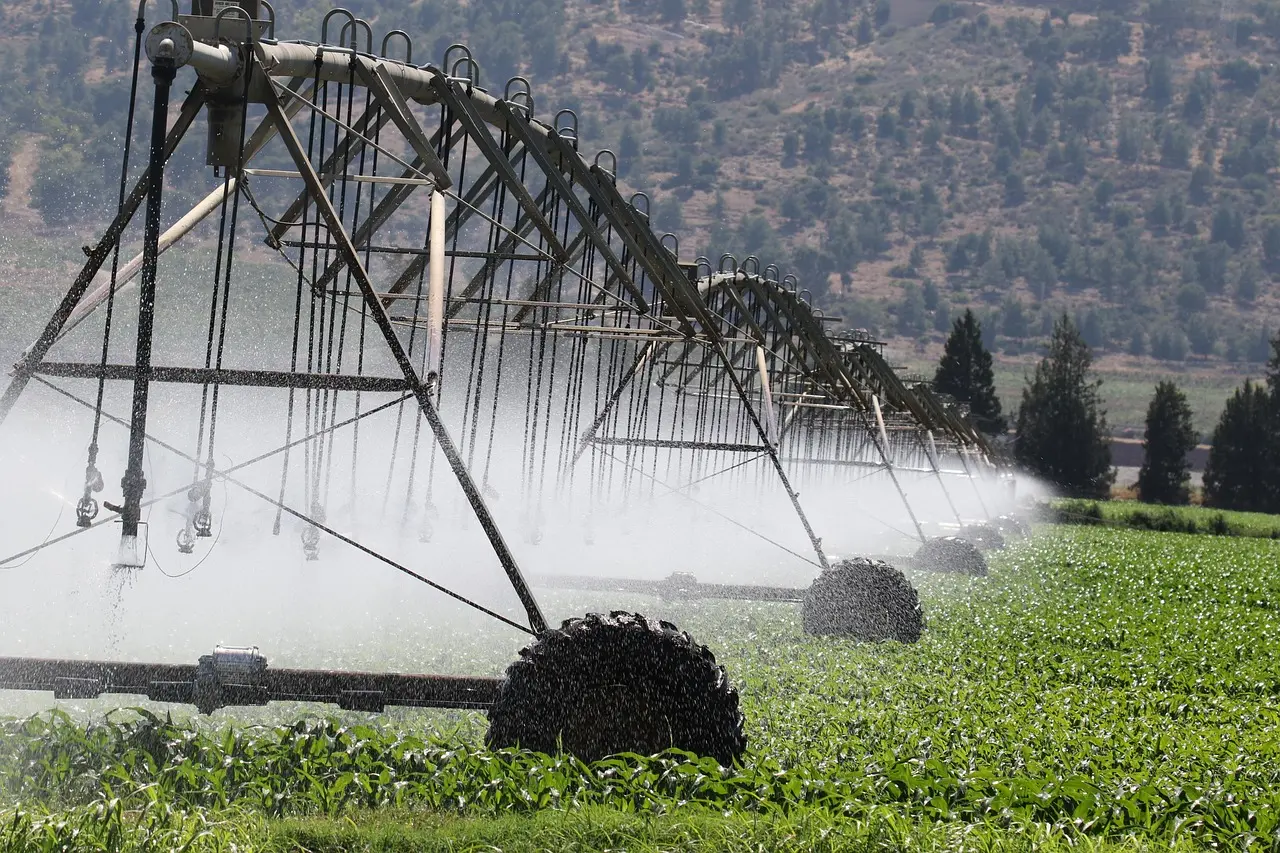
The ministry linked the work to drought pressure and the need to diversify water supplies. At handover, it reported that the upgraded system enabled irrigation with water from the Águilas and Torrevieja desalination plants. The two projects improved the distribution network, provided pressurized irrigation, and renewed pumping equipment. Storage works included a new reservoir and waterproofing and covering existing reservoirs. These components show what the shared investment paid for: the ability to move and store water from alternative sources as part of the district’s irrigation system.
Conclusion
Public and private partners can make adaptation projects easier to finance by agreeing on the risk, the shared assets, and who pays for them. Linking the funding split to the infrastructure and its operating needs gives users a clearer basis for committing their own capital.