Climate Finance
How Green Bonds Can Finance Coastal Flood Protection
Singapore’s coastal plans bring tidal drainage, mangrove habitat, and infrastructure financing into a single adaptation decision.

Strategies for a changing climate. Explore 42 published GCS insights and 7 books.

A Utility Guide to Forecasting, Conservation, and Drought Planning

Planning Connected Habitats for Biodiversity and Climate Resilience
Restoring Coastal Habitats for Climate Adaptation and Biodiversity
Planning, Governance, and Investment for Resilient Cities
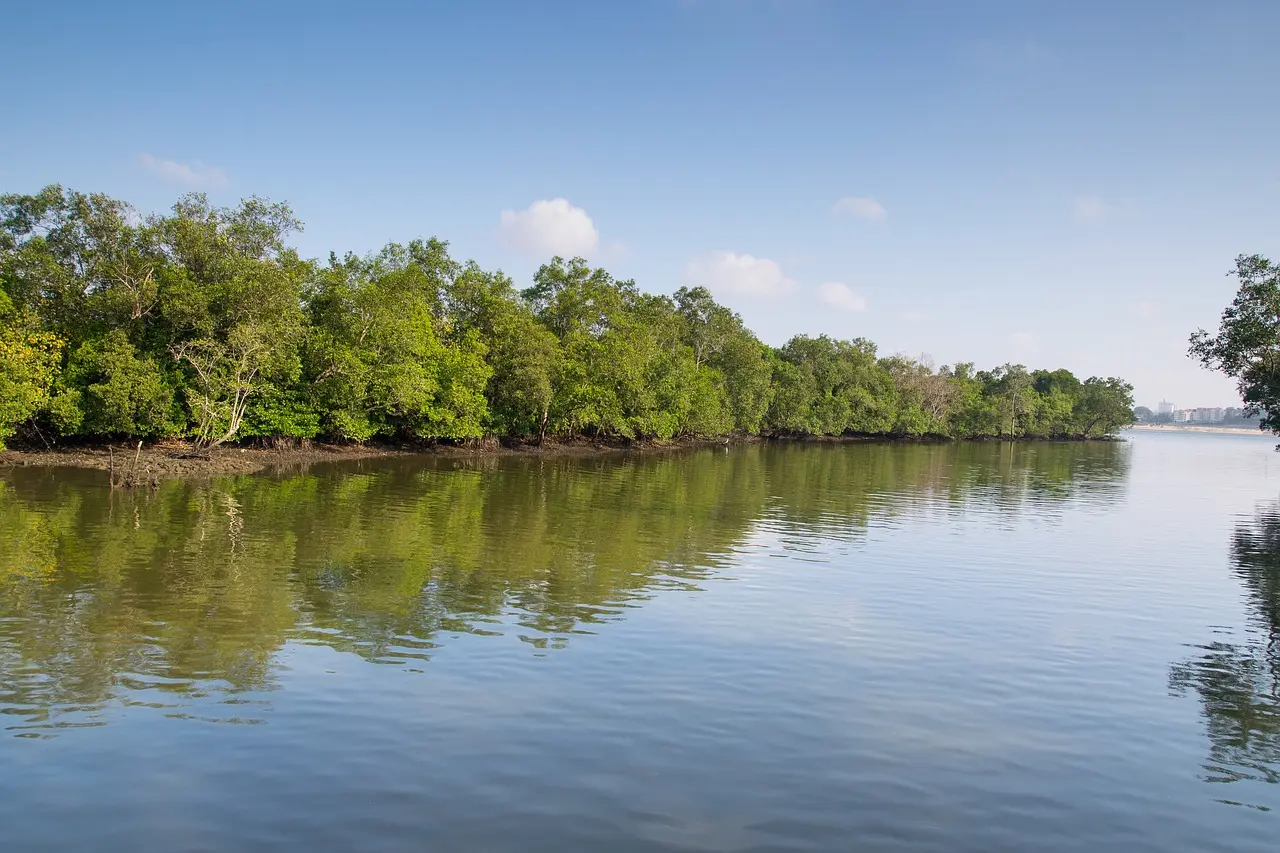
Singapore’s coastal plans bring tidal drainage, mangrove habitat, and infrastructure financing into a single adaptation decision.
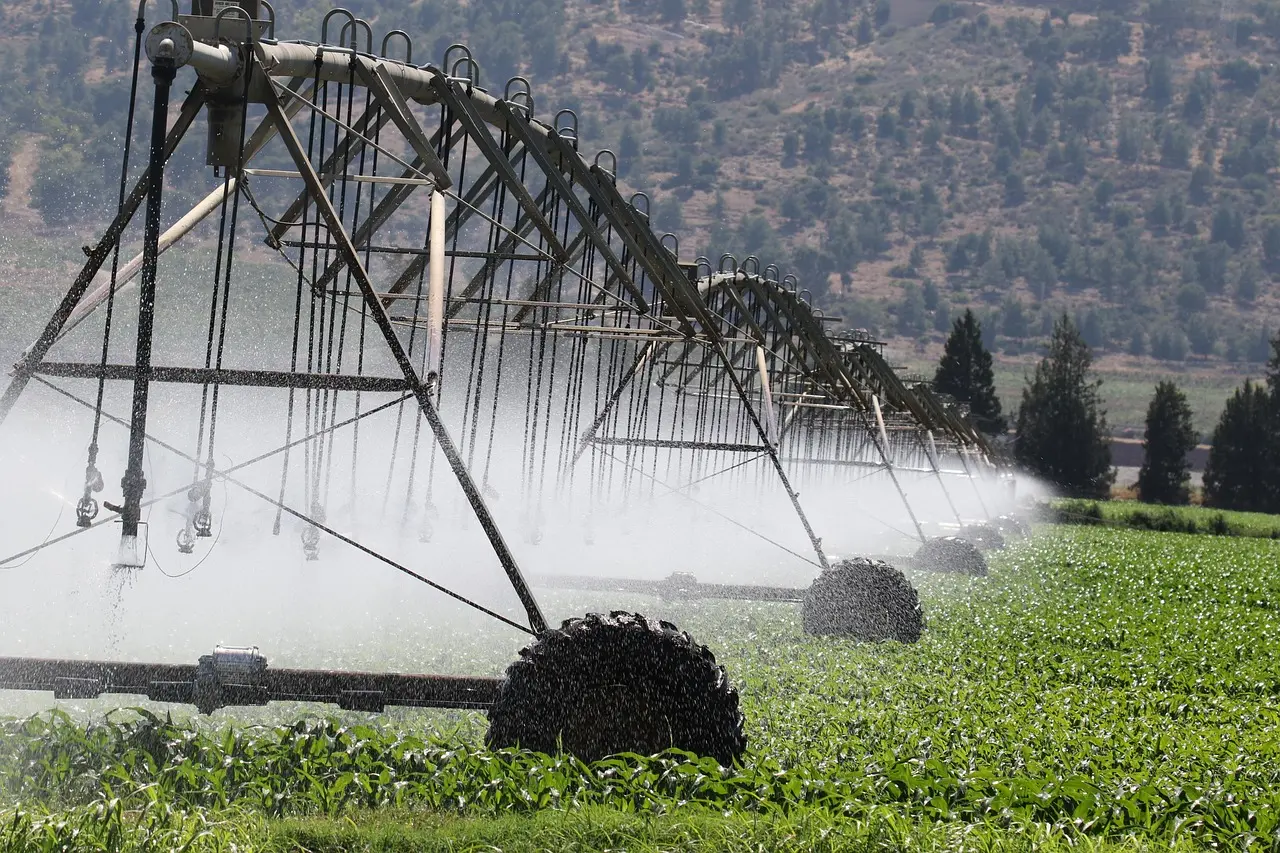
A Spanish irrigation project shows how a public funding ceiling and a growers’ contribution can support shared investments in water reliability.
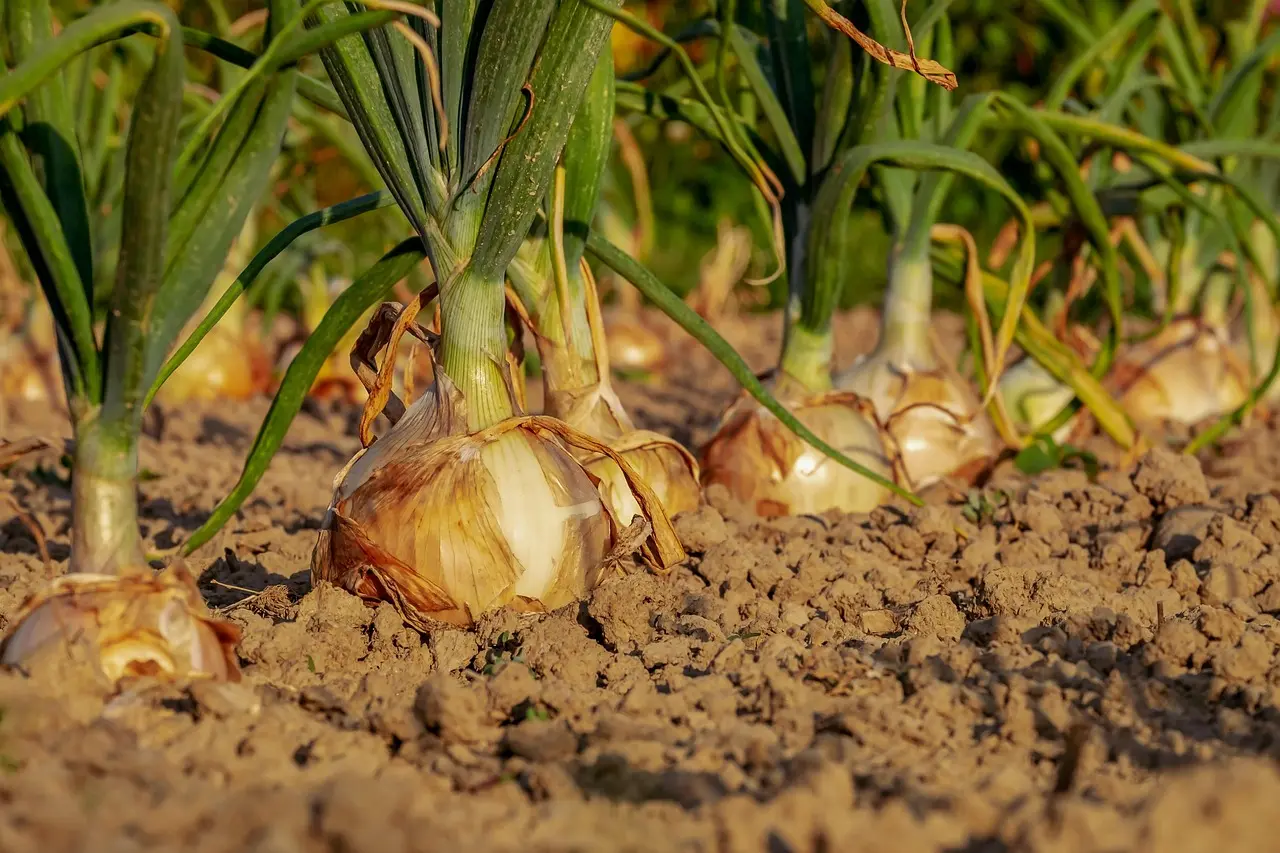
Japan connects crop adaptation, supply contracts, storage, and traceability through a national program for stable year-round vegetable supply.
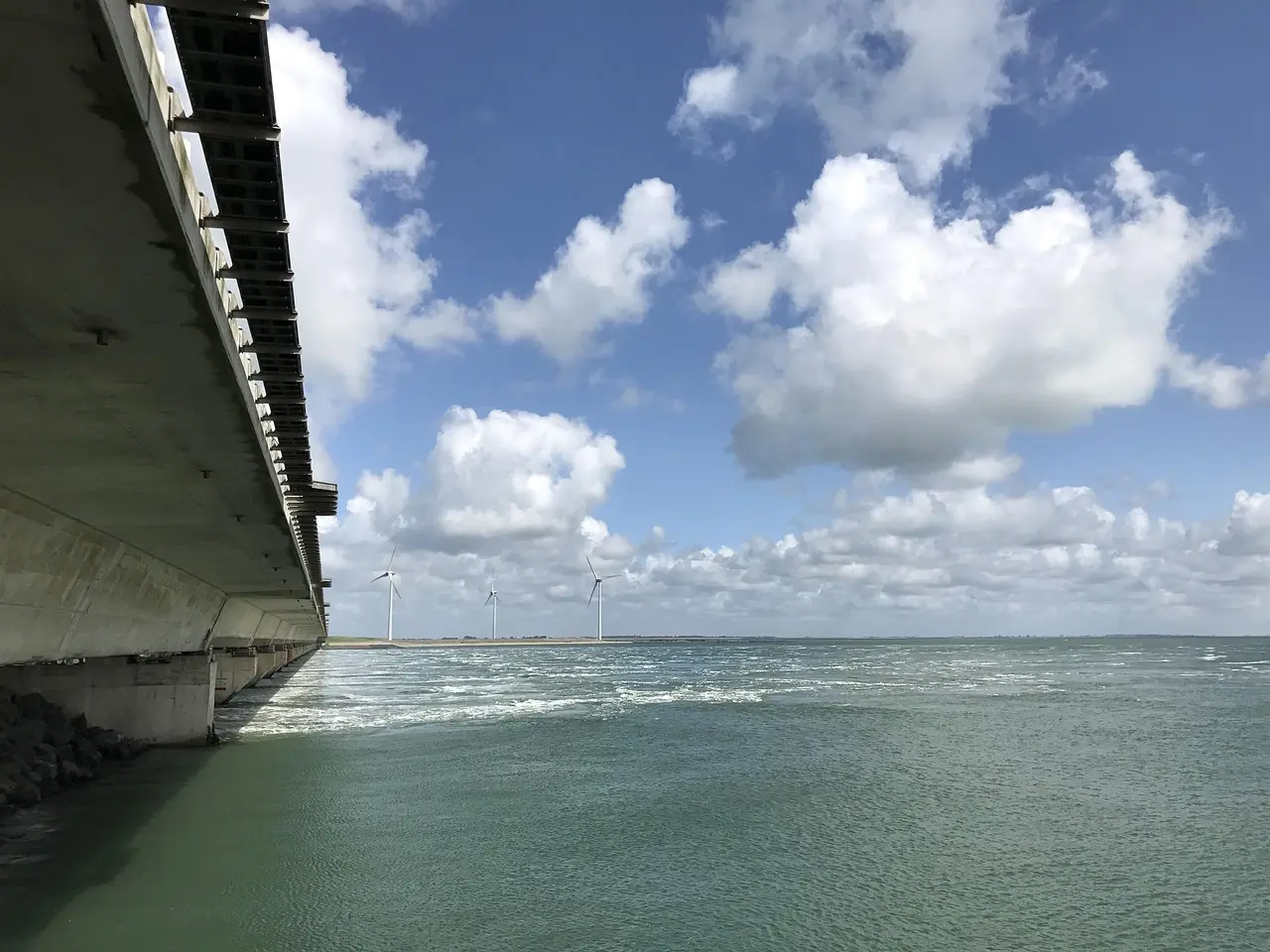
The Netherlands’ new critical-entities law links physical risk reviews with asset inventories, supplier dependencies, climate protection, and service recovery.
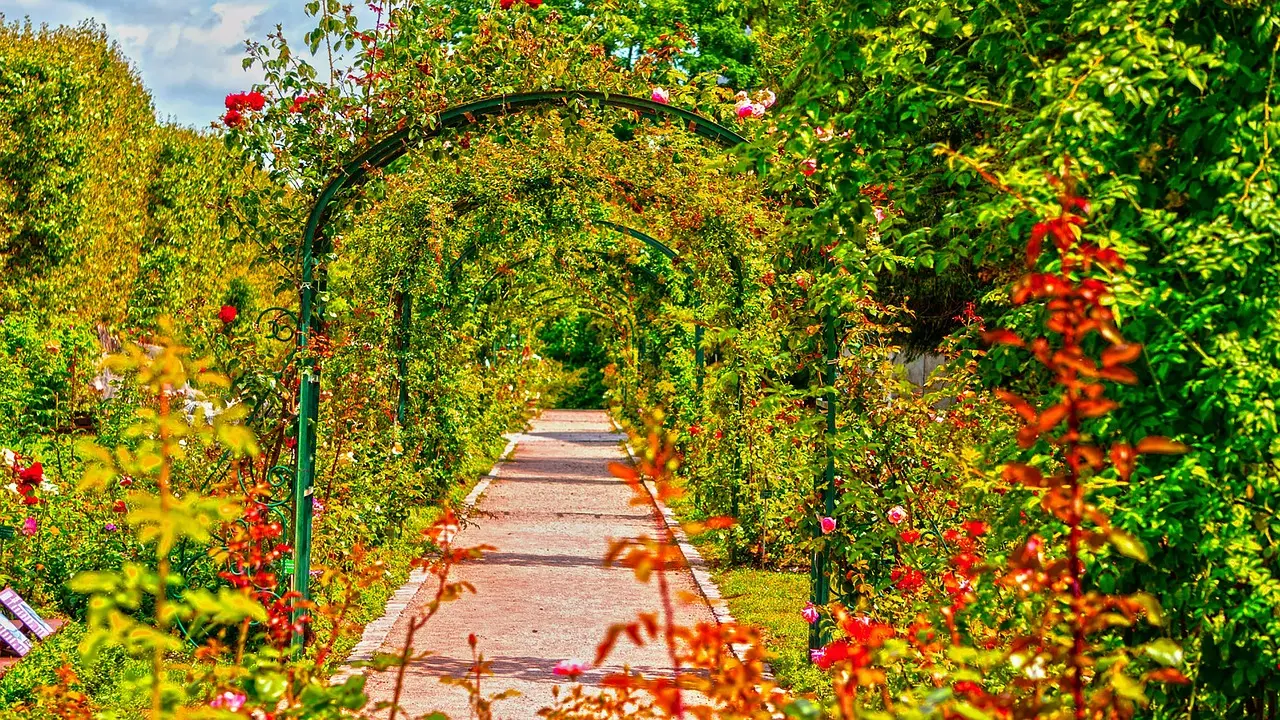
Paris opened a new Petite Ceinture segment in 2026, extending a documented urban ecological corridor while managing public access and habitat protection.

Paris’s red-alert response shows how heat warnings can activate citywide outreach, cooling access, and practical support for children.

Biodiversity conservation protects the ecological functions that underpin climate resilience, while accountable restoration finance turns policy commitments into measurable recovery.
Agricultural systems face growing drought, heat, water, and production risks that can weaken climate resilience and long-term sustainability.
Climate change is increasing pressure on urban water systems while intense rainfall can overwhelm drainage networks.
Heavy rainfall can overwhelm landscapes when water moves rapidly through catchments, increasing flood risk and damaging habitats.
Urban flooding threatens infrastructure, homes, transport networks, and essential services as severe storms interact with constrained waterways and sewer systems.
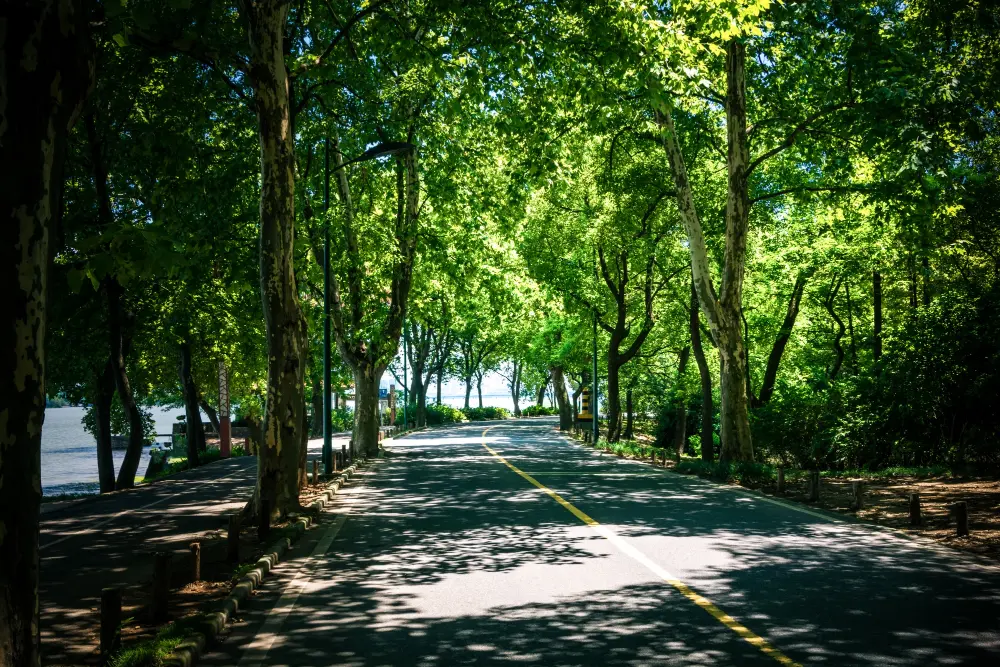
Urban forest management strengthens climate resilience, improves air quality, and supports stormwater control through strategic canopy planning and stewardship.

Explore how Amsterdam’s green roof subsidy program combines funding, technical standards, and oversight to strengthen urban climate resilience.
🌆 Urban flooding is becoming one of the defining infrastructure challenges of climate change.
Blue bonds channel capital into marine conservation, coastal resilience, sustainable infrastructure, and ocean economies through targeted climate-smart finance.

Explore how Singapore’s Green Bond Framework finances coastal resilience, flood protection, and long-term climate adaptation projects.
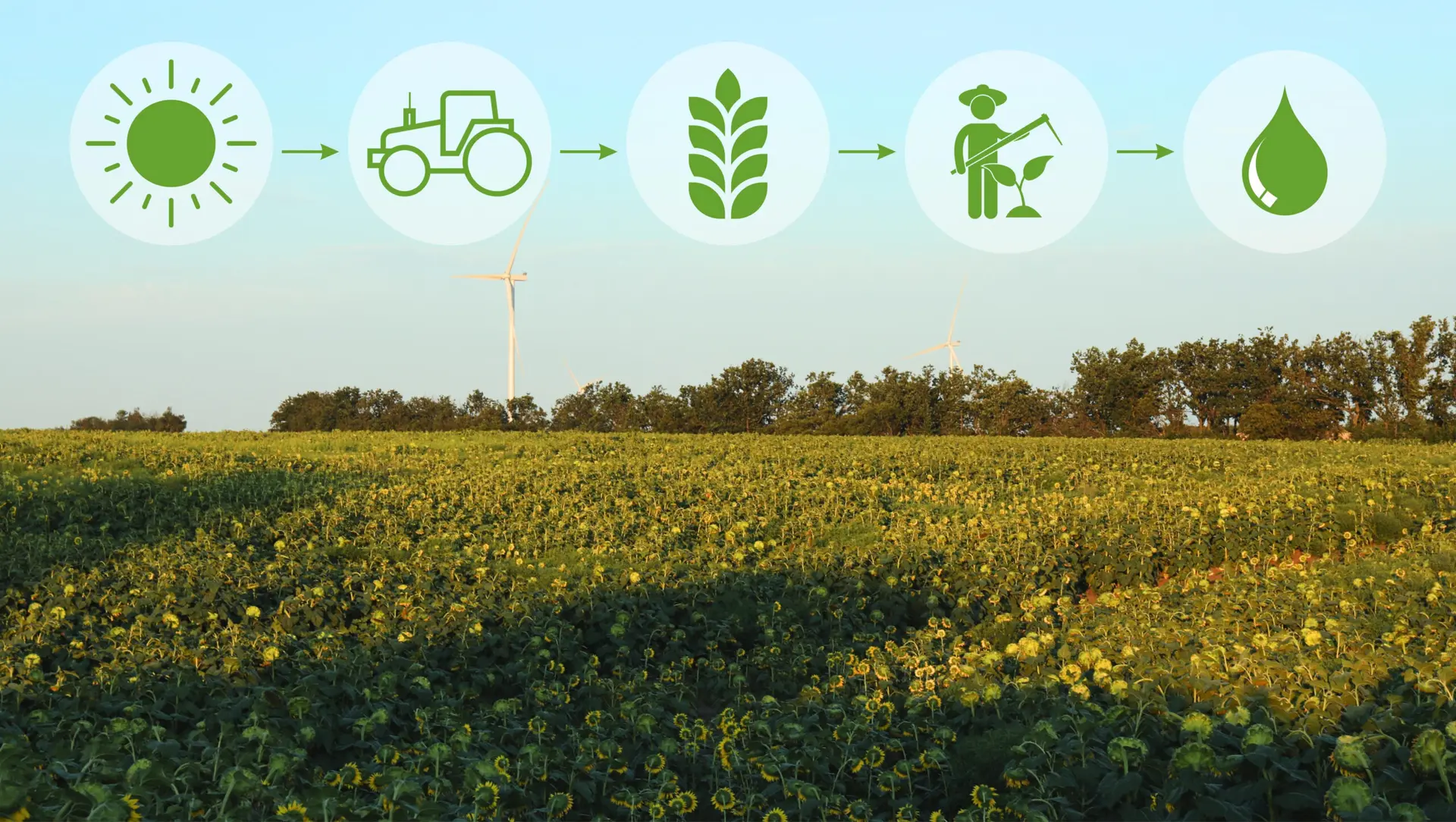
Explore how integrated policy frameworks and Australia’s Climate-Smart Agriculture Program strengthen resilience, emissions reduction, and sustainable land management.

Explore how Singapore’s climate-sensitive urban design integrates wind corridors, green infrastructure, and digital modelling to mitigate rising urban heat risks.

Explore how the Tokyo Digital Twin Project integrates real-time data and 3D modelling to support data-driven urban planning, infrastructure management, and city resilience.
Explore how AI enhances coral reef monitoring, predictive modeling, and restoration to strengthen marine climate resilience.
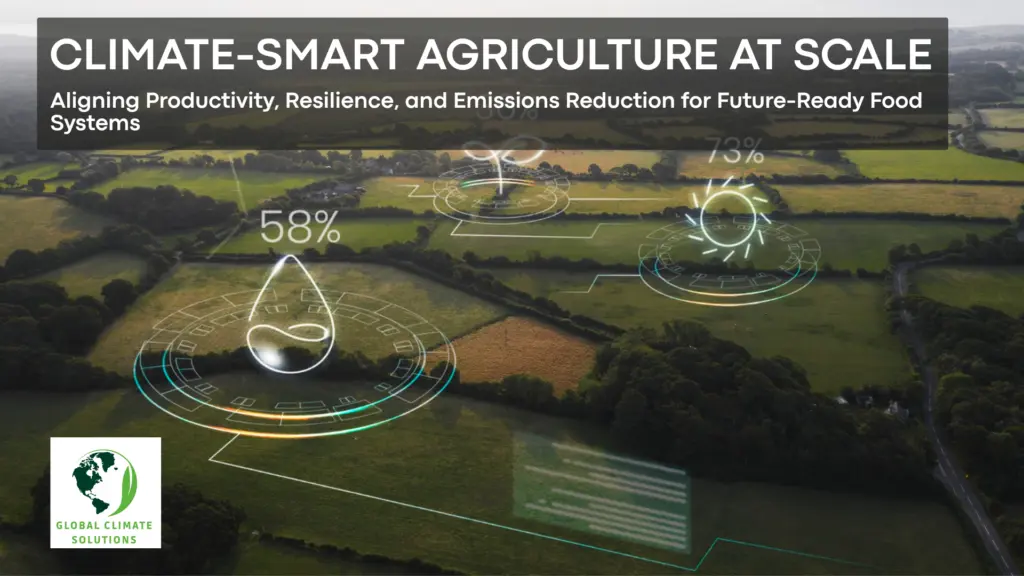
Climate-smart agriculture integrates resource efficiency, soil health, water stewardship, and circular livestock systems to strengthen food system resilience while reducing emissions and safeguarding long-term productivity.
Discover how agroforestry improves soil health, enhances biodiversity, sequesters carbon, and strengthens rural economies through climate-smart land management.

Urban forests reduce heat, manage stormwater, and strengthen climate resilience. Discover how Melbourne’s Urban Forest Strategy uses canopy expansion, biodiversity thresholds, and vegetation health targets to align with international benchmarks.
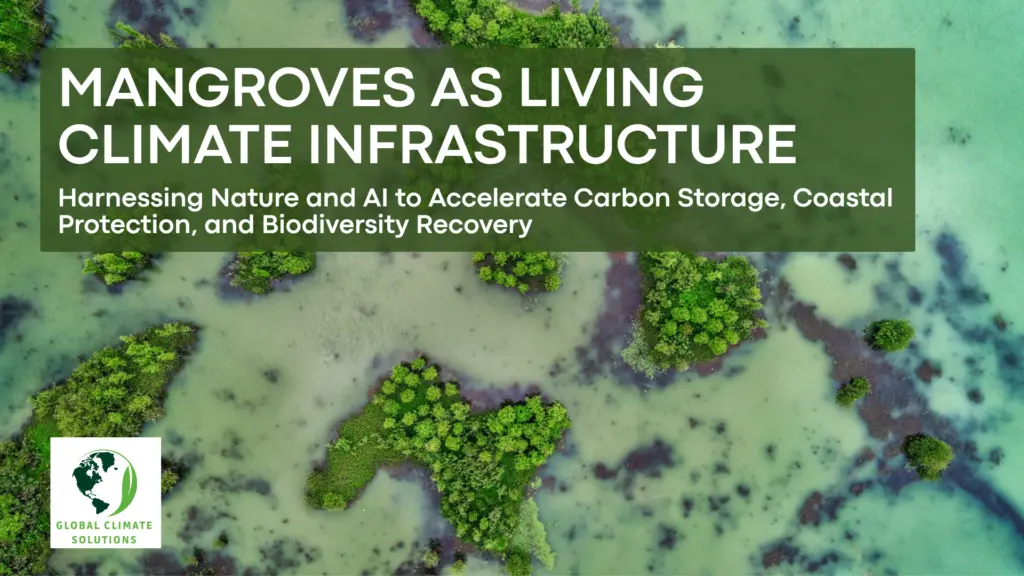
Why mangroves are critical for climate mitigation, adaptation, and biodiversity—and how AI is transforming ecosystem restoration.

How circular economy regions align governance, business models, and value chains to scale implementation beyond pilots.

Blue bonds mobilize long-term capital for coastal resilience by pooling risk, standardizing reporting, and aligning finance with ocean protection goals.
Learn how blended finance unlocks climate investment by reducing risk, attracting private capital, and supporting large-scale mitigation and adaptation projects.
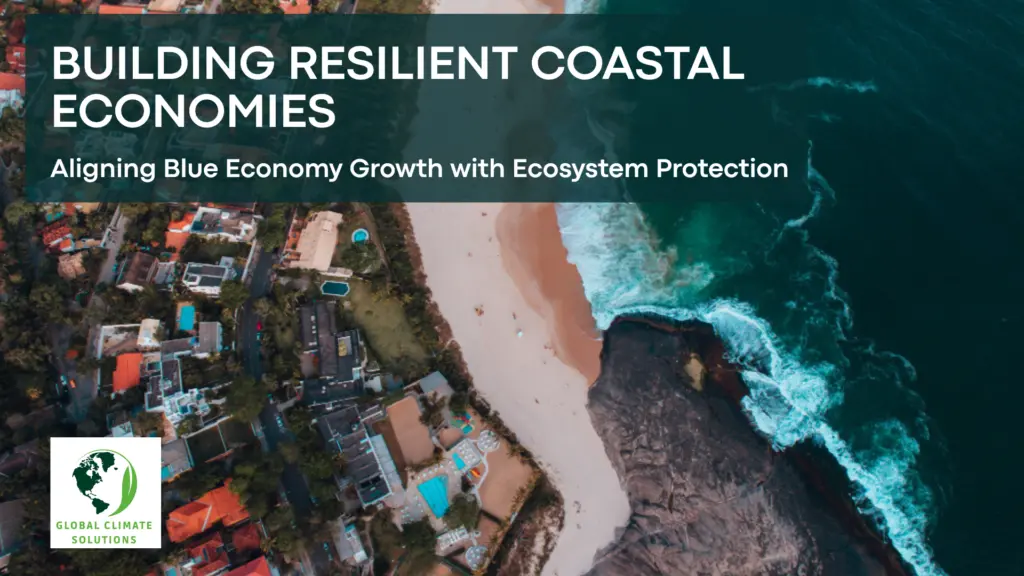
Discover how blue economy strategies and mangrove restoration strengthen coastal resilience, support livelihoods, and align urban growth with ecosystem protection.
💡 Discover how Seychelles’ pioneering Sovereign Blue Bond—supported by the World Bank and GEF—mobilized global investors to fund sustainable fisheries, marine protection, and community resilience.
Floodplains and rivers provide essential services such as flood regulation, water purification, biodiversity support, and carbon storage.
Cities worldwide face rising climate risks, from flooding and heatwaves to supply chain disruptions.
In 2023, the planet recorded its highest global temperatures in over 100,000 years, indicating the accelerating pace of climate change.
IMAGE LINK: Stethoscope Listening Planet Earth Global Healthcare Stethoscope Wrapped Around Globe On White Background Global Health And Green Earth Day Concept Elements Of This Image Were Furnished By Nasa Stock Photo - Download Image Now - iStock.
Climate finance is crucial in mitigating climate change and achieving the 1.5°C global warming limit.
Cities, home to half the world's population and generating almost 80 percent of the world's GDP, are facing extreme weather events and rapid urban growth.
Extreme weather events, such as droughts, floods, and hurricanes, pose significant challenges to agriculture.
The importance of nature-based solutions (NBS) in tackling climate change is increasingly recognized.
URL IMAGE: Circular Economy Icon The Concept Of Eternity Endless And Unlimited Circular Economy For Future Growth Of Business And Environment Sustainable On Nature Background Stock Photo - Download Image Now - iStock (istockphoto.com)
As the world convenes for COP28, one ecosystem demands immediate and collective action: our coral reefs.
Cities worldwide, home to an expected 70% of the global population by 2050, face increasing exposure to natural hazards.
As the world focuses on addressing urgent climate challenges, the spotlight is on nature-based solutions as a cost-effective resilience strategy.
URL image Drought And Climate Change Impact Stock Photo - Download Image Now - Climate Change, Drought, Dry - iStock (istockphoto.com)