
Urban development can isolate habitats even when a city has many green spaces. Ecological corridors link habitat patches and support species movement as climate pressures shift. These connections make biodiversity policy operational across neighborhoods. Examine how Paris's 2026 Petite Ceinture extension adds connected urban habitat to an existing rail corridor.
Habitat Connectivity Across the City
Urban biodiversity depends on the quality and placement of habitat, not simply total green acreage. Roads, buildings, and sealed ground can separate feeding and breeding areas. Ecological corridors reconnect patches through continuous habitat or smaller stepping stones. Planning begins by identifying core habitats, barriers, and species that need passage. The European Environment Agency identifies connected green infrastructure as an adaptation option in urban areas. A corridor also needs enough habitat quality along its length to support movement, shelter, and reproduction. Mapping alone cannot establish that wildlife uses the route.
Planting for Multiple Habitat Layers
A functional corridor offers more than an uninterrupted strip of grass. Trees, native shrubs, flowering plants, rough vegetation, and undisturbed ground can serve different species. Existing soils and spontaneous plants may provide habitat worth retaining during construction. Planting choices should match local conditions and reinforce nearby habitat rather than create an isolated ornamental display. Ecological design can also retain dry, stony surfaces where they support specialist species. Where invasive plants threaten native communities, managers need a targeted replacement plan. Sequenced work helps maintain refuge while new vegetation establishes.
Public Access and Habitat Protection
Urban corridors often combine wildlife space with public walking routes. Designers can place paths, entrances, and seating where they avoid breeding habitat or fragile vegetation. Clear boundaries can keep some sections closed while allowing people to experience the corridor elsewhere. Rules for dogs, lighting, and maintenance should reflect documented ecological risks. Accessible entrances matter because public benefits should not depend on steep steps alone. Agencies must distinguish the social value of a promenade from evidence that its ecological function has improved.
Monitoring Ecological Performance
Corridor delivery should be followed by observation rather than assumed success. Baseline inventories of plants and animals help establish what existed before new works. Repeated surveys can track habitat condition, species presence, and potential barriers after opening. Managers can adjust mowing, clearance, planting, and visitor access when observations reveal problems. They should report the intervention separately from any measured biodiversity outcome. Species records can indicate habitat value, but a sighting alone does not prove that a new link increased movement. Long-term management and transparent reporting make corridor investment more accountable.
Case Study: Paris's Petite Ceinture 19th-Arrondissement Extension
Paris opened a new section of the Petite Ceinture near rue Petit, André Danjon, and avenue Jean Jaurès on April 21, 2026. The city describes the former railway as an ecological corridor where spontaneous vegetation and wildlife have developed. The new 7,280-square-meter green space extends the section already open between rue de Thionville and Ferme du Rail. It also complements the Rosa Parks to avenue de Flandre section. This is a delivered addition to a connected urban habitat system, not a proposed network on a map.
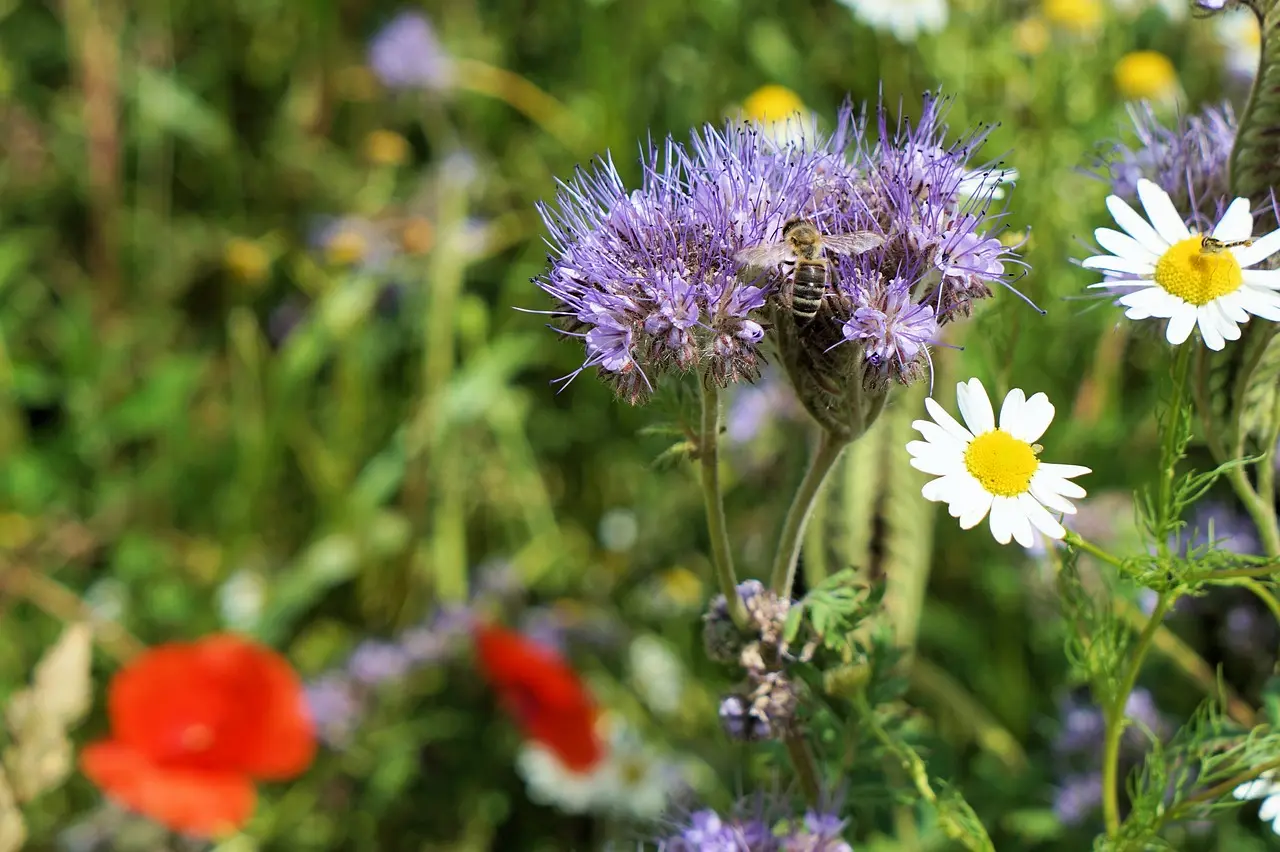
The City of Paris reports that it reinforced wooded areas on the embankment and central rail plateau between the avenue Jean Jaurès and rue Petit bridges. Meadow habitat, native shrub beds, cavity trees, climbing plants, and rough vegetation among the ballast create varied niches. The city reports observations of Hippolais polyglotta and wall lizards. These records establish the site's habitat value; they do not quantify a biodiversity increase caused by the 2026 opening. Light clearance by an employment-support association is intended to maintain diverse habitats through differentiated management.
Public access is designed around that ecological setting. Visitors can enter from the existing Ferme du Rail section, a new staircase at 132 avenue Jean Jaurès, or a gently sloping path near rues de Crimée and de Lorraine. A section toward the Manin tunnel remains closed. Dogs are prohibited on the wider Petite Ceinture promenade, with penalties noted by the city. Paris and SNCF have worked on gradual rehabilitation since 2006. The city's current program couples new access with habitat protection, while the European Environment Agency identifies urban ecological connectivity as a climate-adaptation mechanism.
Conclusion
Ecological corridors can support urban biodiversity when cities protect habitat quality as well as physical connections. Clear access rules, differentiated maintenance, and repeated monitoring make these investments more useful for climate adaptation policy.