Sustainable Cities
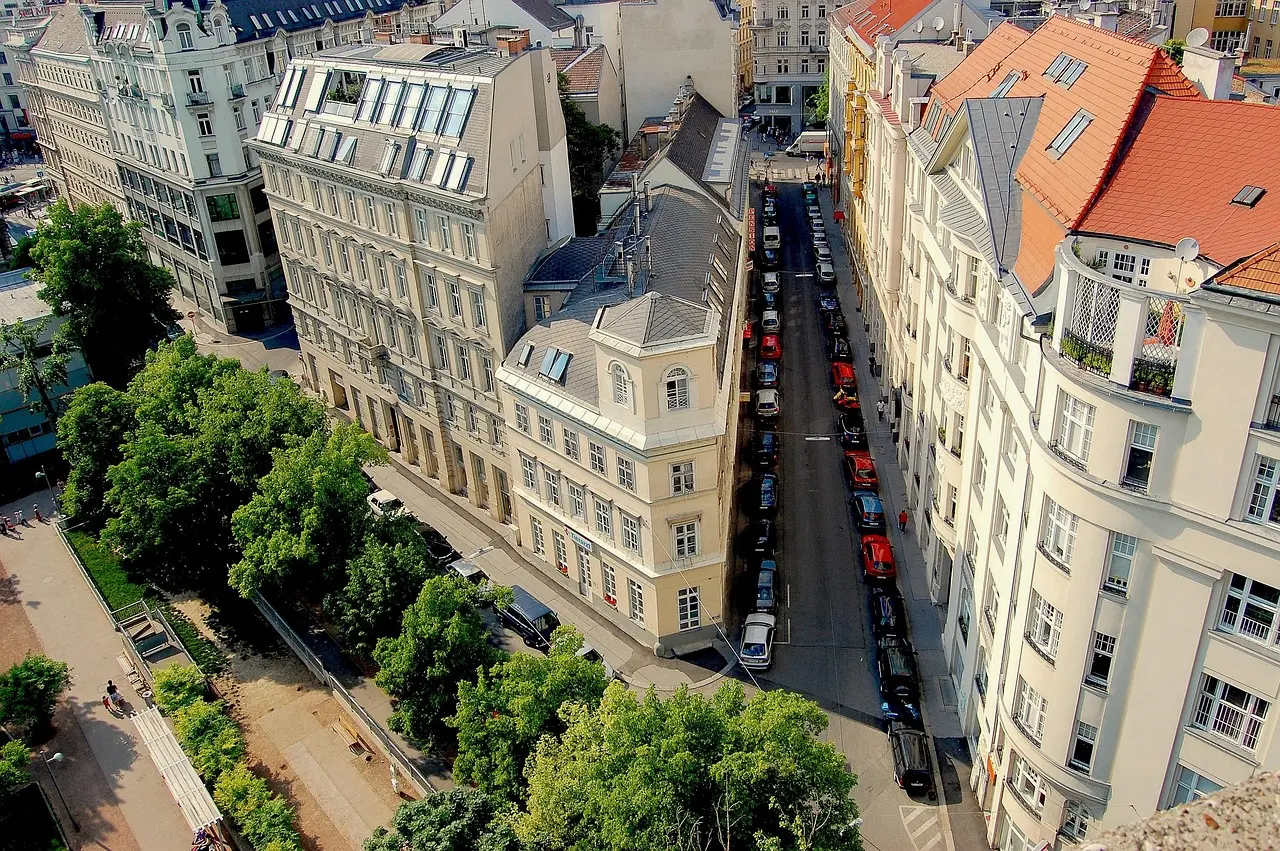
How Compact City Planning Reduces Emissions: Vienna’s Village im Dritten
Vienna’s 2026 municipal housing handover shows how compact redevelopment can combine short journeys, affordable homes, and shared energy infrastructure.

Designing resilient systems and places. Explore 43 published GCS insights and 11 books.

A Utility Guide to Forecasting, Conservation, and Drought Planning

Planning Connected Habitats for Biodiversity and Climate Resilience
Connecting Services, Catchments, Governance, and Resilience
Planning, Governance, and Investment for Resilient Cities
Vienna’s 2026 municipal housing handover shows how compact redevelopment can combine short journeys, affordable homes, and shared energy infrastructure.
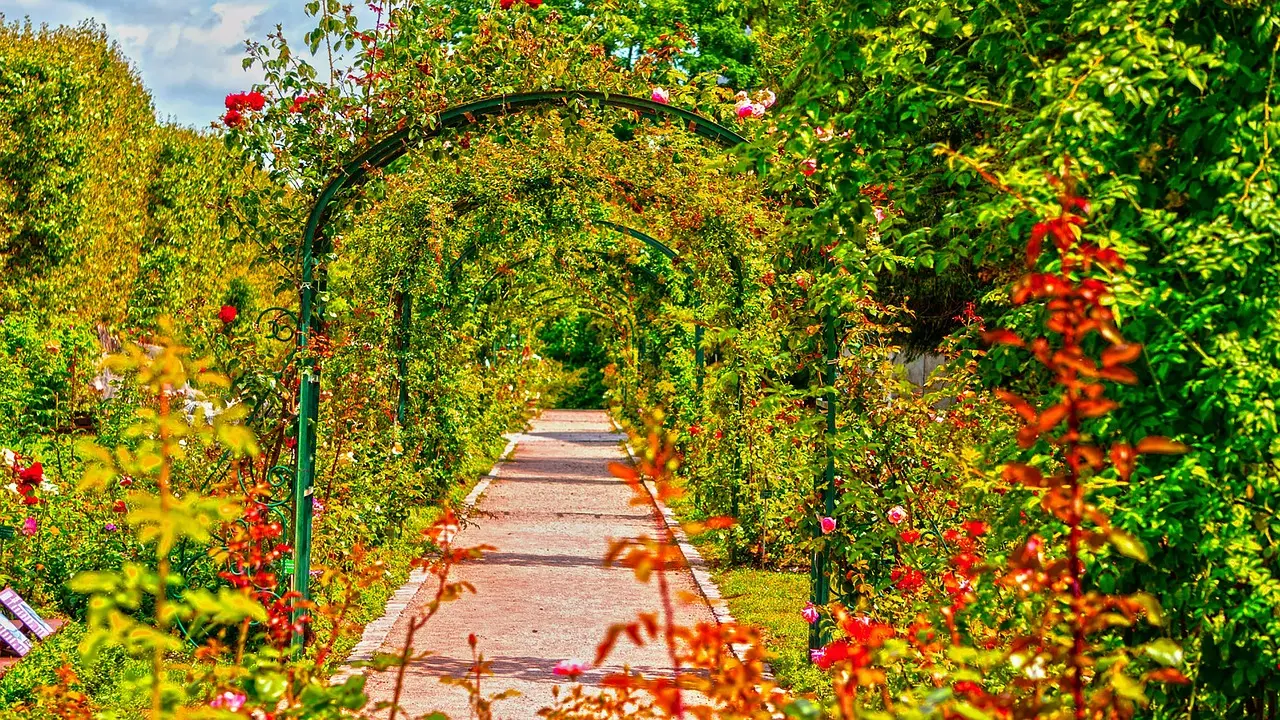
Paris opened a new Petite Ceinture segment in 2026, extending a documented urban ecological corridor while managing public access and habitat protection.

Paris’s red-alert response shows how heat warnings can activate citywide outreach, cooling access, and practical support for children.
Transport systems remain major sources of greenhouse gas emissions, while limited charging access can constrain vehicle electrification.
Climate change is increasing pressure on urban water systems while intense rainfall can overwhelm drainage networks.
Carbon markets can mobilise sustainable finance, but fragmented infrastructure and limited institutional capacity can restrict participation.
Urban flooding threatens infrastructure, homes, transport networks, and essential services as severe storms interact with constrained waterways and sewer systems.
Solar energy plays an important role in reducing greenhouse gas emissions and strengthening long-term energy resilience.
Electric public transport systems reduce transport emissions while supporting more efficient and resilient urban mobility.
Buildings account for a significant share of greenhouse gas emissions because of their energy use and reliance on fossil fuels.
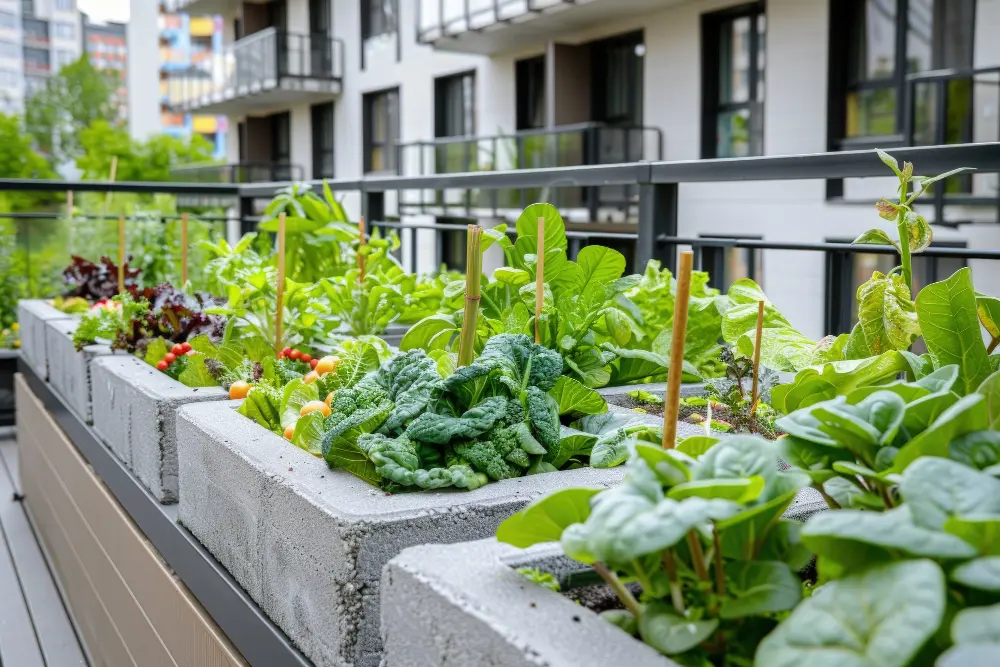
Explore how Melbourne Skyfarm demonstrates rooftop and vertical farming as nature-based solutions for food security, urban cooling, and stormwater management.
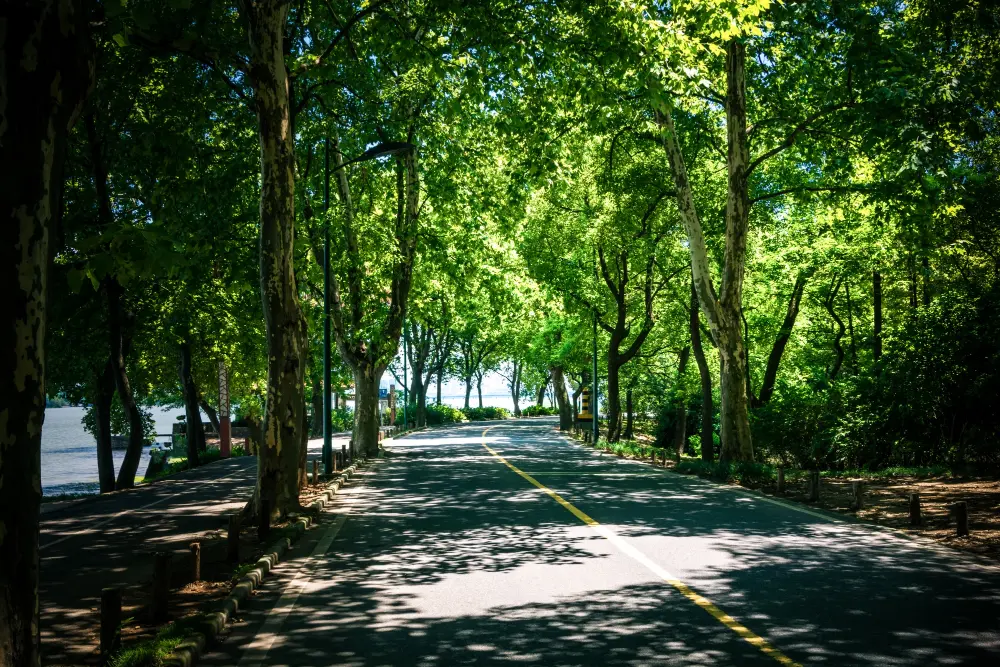
Urban forest management strengthens climate resilience, improves air quality, and supports stormwater control through strategic canopy planning and stewardship.

Explore how Amsterdam’s green roof subsidy program combines funding, technical standards, and oversight to strengthen urban climate resilience.
🌆 Urban flooding is becoming one of the defining infrastructure challenges of climate change.
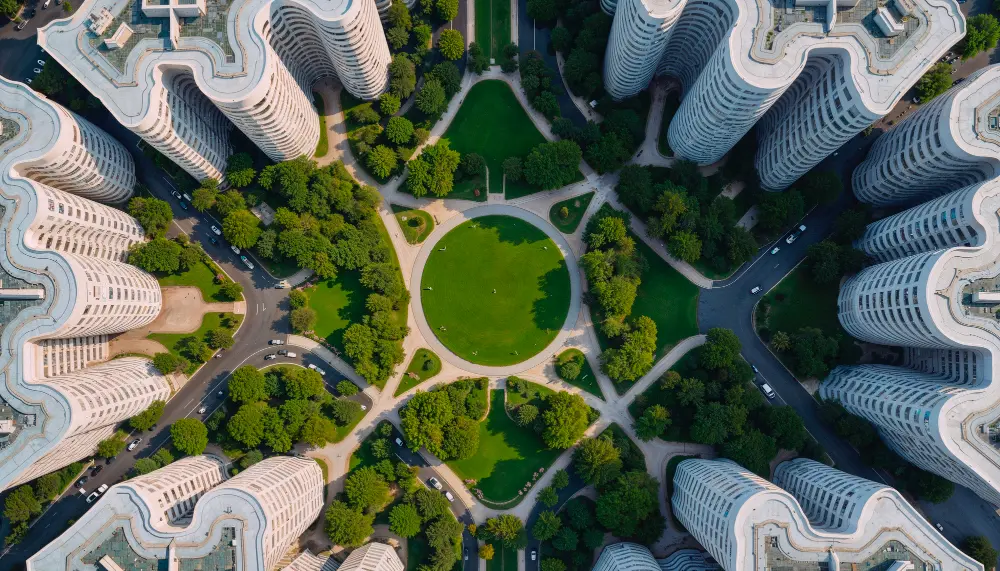
Explore how Singapore’s climate-sensitive urban design integrates wind corridors, green infrastructure, and digital modelling to mitigate rising urban heat risks.
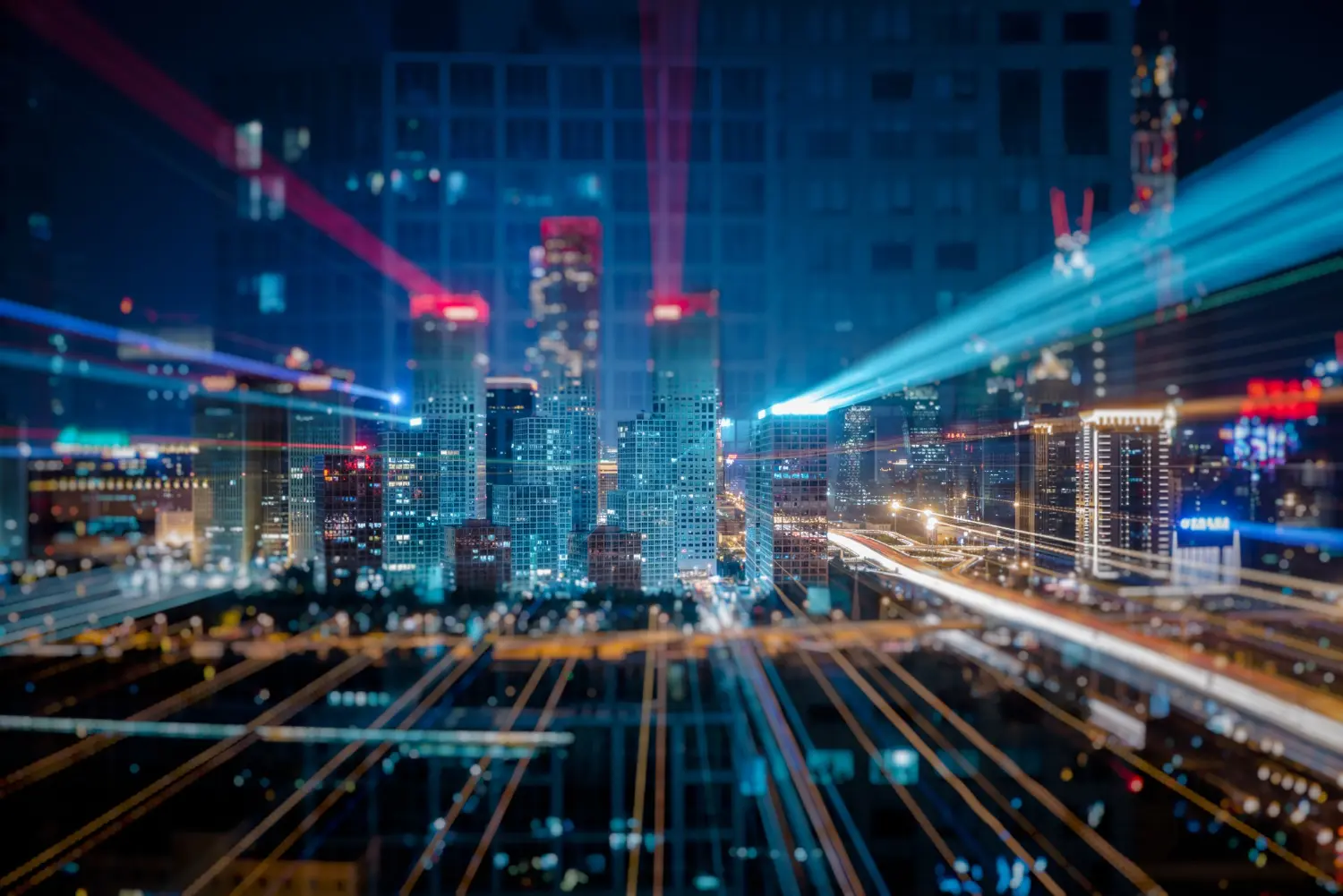
Explore how the Tokyo Digital Twin Project integrates real-time data and 3D modelling to support data-driven urban planning, infrastructure management, and city resilience.

Urban forests reduce heat, manage stormwater, and strengthen climate resilience. Discover how Melbourne’s Urban Forest Strategy uses canopy expansion, biodiversity thresholds, and vegetation health targets to align with international benchmarks.
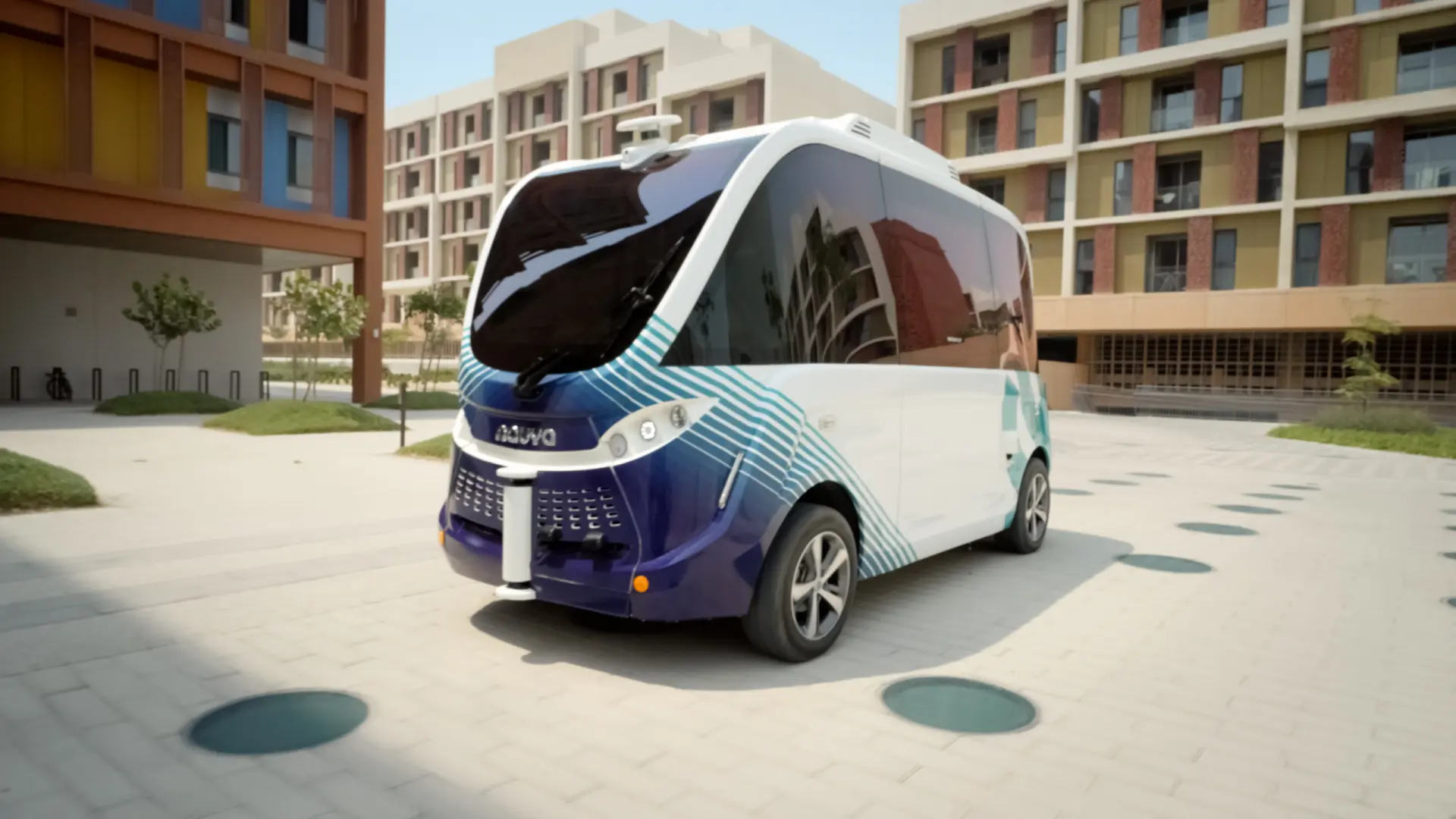
Explore how green transport solutions and Abu Dhabi’s 2040 smart mobility targets are transforming cities—from Level 4 autonomous permits to Masdar City.
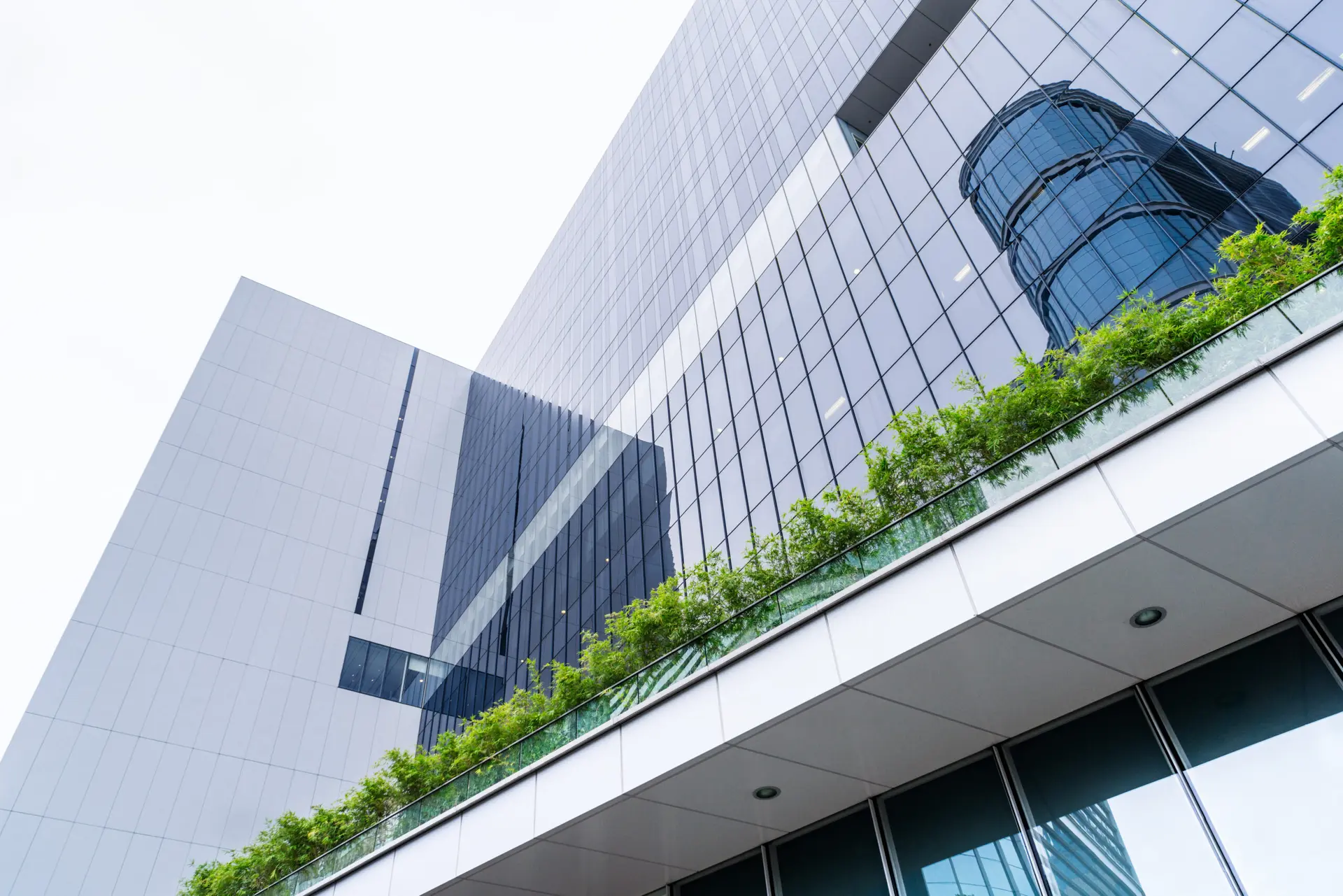
Learn how green buildings improve energy efficiency, water conservation, indoor quality, and long-term performance, with BERDO strengthening compliance frameworks.
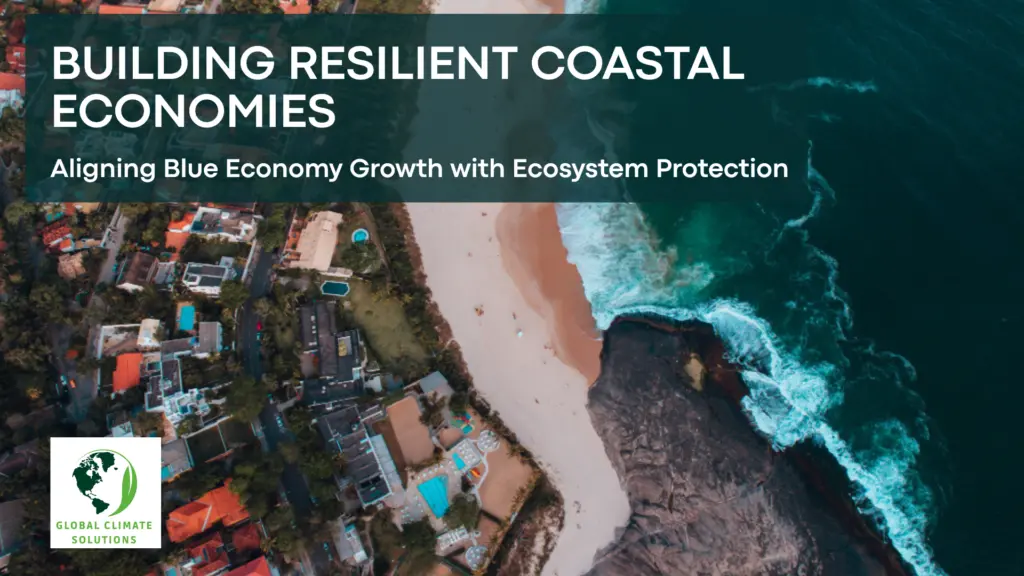
Discover how blue economy strategies and mangrove restoration strengthen coastal resilience, support livelihoods, and align urban growth with ecosystem protection.
Cities worldwide face rising climate risks, from flooding and heatwaves to supply chain disruptions.
IntroductionSteel is essential to infrastructure, manufacturing, and transport, but its production is one of the most carbon-intensive industrial activities.
Urban green spaces are critical for enhancing city livability, supporting biodiversity, and mitigating the impacts of climate change.
Green roofs, or living or vegetated roofs, are a revolutionary approach to urban development, blending nature and architecture.
Greenhouse gases (GHGs), such as carbon dioxide, methane, and nitrous oxide, trap heat in the atmosphere, leading to global warming.
As global water demand escalates, the urgency for effective and sustainable water management becomes increasingly critical.
As the effects of climate change become increasingly evident, the world's urban centres are on the frontline, grappling with challenges like rising sea levels, extreme weather events, and unpredictable environmental changes.
Climate change is reshaping the business landscape, propelling the shift toward a green economy that is low in carbon emissions, efficient in resource use, and inclusive in its benefits.
In the face of escalating climate change concerns, the buildings sector has been identified as a pivotal battleground for energy conservation and emission reduction efforts.
As we move towards 2050, when it is projected that two-thirds of the global population will live in urban areas, the role of cities in climate change is becoming increasingly significant.
URL image: Fresh Green And Building Groups Stock Photo - Download Image Now - Apartment, Architecture, Beauty - iStock (istockphoto.com)
Climate change and biodiversity loss heightened the urgency of sustainable urban development.
Cities, home to half the world's population and generating almost 80 percent of the world's GDP, are facing extreme weather events and rapid urban growth.
Offshore wind energy is increasingly recognized as essential in sustainable energy strategies.
The urgency to tackle climate change is increasingly critical. With a significant portion of the global population in urban areas, these regions are major contributors to greenhouse gas emissions and hold potential solutions.
The urgency to address the climate crisis is paramount as global focus intensifies.
The urgent need to shift from fossil fuels, responsible for over 75% of global greenhouse gas emissions, to renewable energy sources is clear.
The urgency for climate-resilient urban water systems has never been higher. With climate change manifesting in extreme weather patterns, communities globally face an existential challenge to their water and sanitation infrastructure.
Water utilities are beginning to promote the circular water economy to mitigate greenhouse gas emissions and enhance resilience to climate change.
Cities worldwide, home to an expected 70% of the global population by 2050, face increasing exposure to natural hazards.
URL IMAGE: Light Bulb Made Of Water Splashes Stock Photo - Download Image Now - Water, Fuel and Power Generation, Vitality - iStock (istockphoto.com)
URL IMAGE: Hydrogen Energy Storage Gas Tank For Clean Electricity Solar And Wind Turbine Facility Stock Photo - Download Image Now - iStock (istockphoto.com)
The Global Cooling Pledge stands as a formidable initiative in the fight against global warming, concentrating on five key areas: nature-based solutions, super-efficient appliances, food and vaccine cold chains, district cooling, and National Cooling Action.