
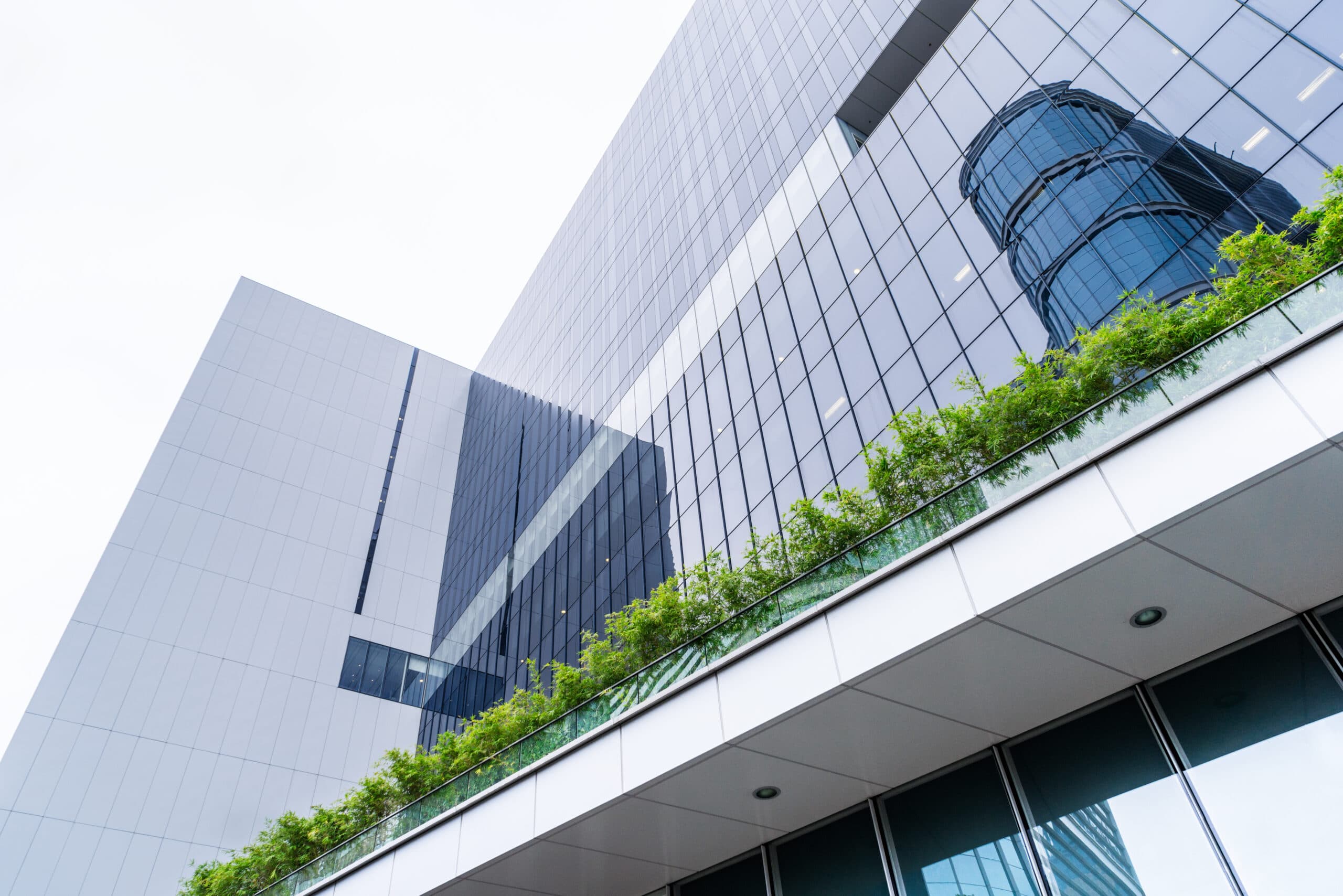
Green buildings apply design, construction, and operational practices that reduce resource use while maintaining high levels of building performance. Their importance continues to grow as organizations seek to lower operational costs, manage environmental impacts, and meet evolving sustainability expectations. Green building approaches support efficiency across energy, water, and materials, creating structures that function more effectively throughout their lifecycle.
Reducing Energy Demand Through Integrated Design
Energy efficiency is central to green building practices. High-performance building envelopes, low-thermal-conductivity materials, and controlled air infiltration limit the need for mechanical heating and cooling. Efficient HVAC systems, advanced ventilation strategies, and optimized distribution networks maintain indoor comfort while reducing electricity and fuel consumption. Lighting demand declines through LED fixtures, daylight-responsive controls, and spatial planning that maximizes natural light. On-site renewable energy systems complement efficiency measures by supplying clean power and reducing reliance on external grids.
Strengthening Water Efficiency and On-Site Management
Water conservation is another priority of green building design. Low-flow fixtures, high-efficiency appliances, and real-time leak detection systems minimize indoor water use. Rainwater harvesting, greywater reuse, and non-potable water distribution reduce pressure on municipal supplies by supporting irrigation, toilet flushing, and other secondary uses. Climate-appropriate landscaping and soil management strategies further decrease outdoor water demand.
Improving Indoor Environmental Quality
Indoor environmental quality influences occupant comfort and health. Green buildings incorporate ventilation strategies that manage pollutants, humidity, and air exchange rates. Low-emission materials, filtration improvements, and moisture control reduce exposure risks. Natural light, acoustic planning, and thermal stability contribute to more productive interior conditions.
Supporting Long-Term Operational Performance
The importance of green buildings is reinforced by ongoing performance verification. Submetering, advanced sensors, and building management systems track energy and water use at granular levels. Continuous commissioning identifies operational inefficiencies, enabling corrective adjustments that support consistent performance.
Enhancing Economic and Environmental Value
Green buildings offer financial and environmental benefits through reduced utility expenditure, improved equipment lifespans, and lower overall resource intensity. Their design and operational features support resilience, optimize asset performance, and contribute to broader sustainability objectives across urban and organizational settings.
Case Study: Boston’s Building Emissions Reduction and Disclosure Ordinance (BERDO)
Boston’s Building Emissions Reduction and Disclosure Ordinance (BERDO) is a regulatory program that establishes mandatory reporting and emissions compliance requirements for large existing buildings. The program covers residential buildings with 15 or more units, non-residential buildings 20,000 square feet or larger, and any tax parcel that collectively reaches these thresholds. Mixed-use properties are classified based on whether 50% or more of the gross floor area is residential.
BERDO requires building owners to report annual energy and water consumption by May 15 each year using ENERGY Star Portfolio Manager. Reported metrics include electricity, natural gas, fuel oil, district energy, on-site generation, and both potable and non-potable water use. After submitting data through Portfolio Manager, owners must complete the BERDO Reporting Form, which collects information necessary for emissions calculations.
To ensure accuracy, BERDO mandates third-party verification of reported data in the first reporting year, again during the first year in which emissions compliance applies (2026 or 2031 depending on building size), and every five years thereafter. Verification must be completed by a qualified energy professional approved under BERDO guidance.
Beginning in either 2025 or 2030, covered buildings must meet declining greenhouse gas emissions standards based on their primary use type. BERDO provides a blended standard option for mixed-use buildings and allows the use of approved emissions factors. Compliance pathways include reducing energy consumption, electrifying equipment, procuring renewable energy, or making Alternative Compliance Payments.
BERDO also offers technical assistance, building consultations, an emissions calculator tool, and flexibility measures such as hardship applications and exemptions for on-site solar generation.
Conclusion
Green buildings play an essential role in reducing resource consumption and strengthening long-term building performance. By integrating energy efficiency, water conservation, and improved indoor environmental quality, they support operational stability and greater sustainability across the built environment. Regulatory programs such as BERDO complement these efforts by establishing clear reporting requirements and structured pathways for emissions reduction. Together, green building practices and compliance frameworks help advance resilience and efficiency across urban building portfolios.