Water utility managers
Managers responsible for service reliability, portfolio governance, and the operating decisions that turn conservation plans into sustained action.


A Utility Guide to Forecasting, Conservation, and Drought Planning
ISBN 978-1-991406-26-2 · Our Future Water · First EditionWhen demand peaks during a dry spell, a utility needs to know which uses it can reduce, how quickly savings will arrive, and who might struggle under new restrictions.
Written for utility managers, resource planners, and conservation leads, Urban Water Demand Management shows how to build a defensible baseline and use it to choose measures that protect service reliability. Robert C. Brears explains how to separate weather-driven consumption, customer leaks, and losses in the distribution network.
The guide follows those decisions through forecasts, seasonal restrictions, and conservation programs. It shows how to compare measures by cost and likely savings, set drought triggers before shortages deepen, and design customer support around essential needs.
Readers learn to bring demand actions into resource plans and budgets, assign responsibility across teams, and test whether the savings attributed to a program persist. The book helps practitioners decide what to fund, what to monitor, and when to change course.
Define a utility demand baseline that separates customer use, seasonal peaks, customer-side leaks, and distribution losses.
Select and backtest forecasts for operating decisions and long-term planning, with explicit assumptions about weather, growth, and conservation.
Design and target conservation measures, accounting for affordability, free-ridership, rebound, and the persistence of savings.
Connect drought indicators to staged demand actions, customer protections, and recovery reviews.
Integrate demand management into resource plans, budgets, and accountability controls while avoiding double counting of savings.
Structure procurement, rollout, and evaluation around verified savings, delivery quality, data privacy, and decisions about when to scale.
Introduction: Managing Demand as a Core Urban Water Service
Chapter 1: Establishing the Demand Management Operating Context
Chapter 2: Forecasting Demand and Setting an Evidence Base
Chapter 3: Designing Conservation and Efficiency Portfolios
Chapter 4: Managing Drought Demand and Seasonal Peaks
Chapter 5: Embedding Demand Management in Utility Planning and Governance
Chapter 6: Implementing, Financing, and Scaling Programmes
Chapter 7: Measuring Performance and Sustaining Adaptive Demand Management
Conclusion: From Conservation Campaigns to Managed Demand Systems
Managers responsible for service reliability, portfolio governance, and the operating decisions that turn conservation plans into sustained action.
Analysts who develop demand baselines, test scenarios, and integrate projected savings into supply and asset planning.
Teams that design, procure, deliver, and evaluate efficiency measures for residential and business customers.
Public officials who coordinate shortage stages, customer protections, and accountability across utilities, cities, and regulators.

Robert C. Brears is the founder and editor-in-chief of Global Climate Solutions. His work connects climate resilience, water security, nature-based solutions, sustainable finance and the transition to more resilient cities and industries.
View author profile →When demand peaks during a dry spell, a utility needs to know which uses it can reduce, how quickly savings will arrive, and who might struggle under new restrictions.

Japan’s sovereign transition bonds connect public capital with industrial technology development, infrastructure needs, and transparent reporting.

Singapore’s coastal plans bring tidal drainage, mangrove habitat, and infrastructure financing into a single adaptation decision.
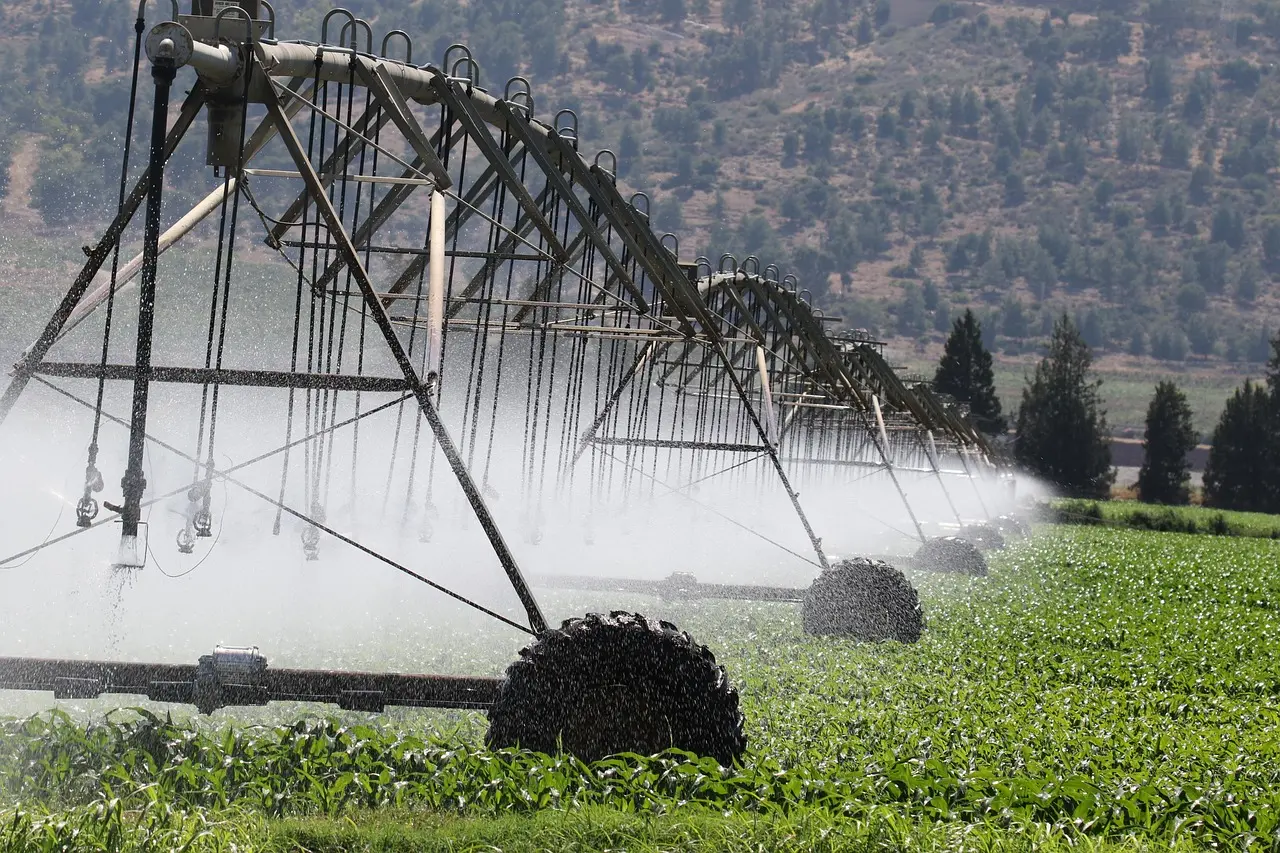
A Spanish irrigation project shows how a public funding ceiling and a growers’ contribution can support shared investments in water reliability.