Urban water utility leaders
Executives and service managers coordinating supply, demand, sanitation, reuse, and long-term operational responsibilities.

Connecting Services, Catchments, Governance, and Resilience
ISBN 978-1-991406-24-8 · Our Future Water · First EditionCities cannot secure reliable water services by improving individual projects alone. Decisions about supply, drainage, land use, finance, and public accountability must work together over time.
For utility leaders, planners, policymakers, and infrastructure professionals, Integrated Urban Water Management offers a framework for making those connections. It combines comparative cases with analysis of system boundaries, institutional responsibilities, and implementation conditions, helping readers assess which approaches fit their own cities.
Explore diversified supply, wastewater reuse, demand reduction, stormwater, ecosystem protection, and digital decision support. Examine funding, maintenance, affordability, participation, and risk allocation alongside technical performance. Distinguish observed outcomes from modeled or proposed benefits before transferring a lesson between places.
Across fifteen chapters, the book connects diagnosis to practical delivery. Build a clearer basis for comparing interventions, assigning responsibilities, and planning adaptive review. Use the evidence to ask sharper questions, expose trade-offs, and develop strategies that can be financed, operated, and sustained.
Define urban water system boundaries and diagnose how service objectives, land use, catchments, and institutional responsibilities interact.
Compare water supply, demand management, reuse, sanitation, drainage, and ecological interventions using evidence appropriate to local conditions.
Assess who funds, operates, maintains, and bears the risks of an integrated water portfolio over its full lifecycle.
Examine affordability, participation, distributional effects, ecological constraints, and public-health safeguards alongside technical performance.
Distinguish observed results from modeled, proposed, historical, and context-dependent case findings before transferring lessons between cities.
Apply a common decision framework linking evidence, authority, resources, capabilities, accountability, and adaptive review to implementation.
Integrated Urban Water Management as a City-Building Challenge
Chapter 1: Defining Integrated Urban Water Management
Chapter 2: Urban Water Risk, Vulnerability, and Resilience
Chapter 3: Diagnosing Urban Water Performance
Chapter 4: Diversified Water Supply Portfolios
Chapter 5: Wastewater, Reuse, and Resource Recovery
Chapter 6: Demand Management and Water-Efficient Cities
Chapter 7: Stormwater Management and Urban Flood Resilience
Chapter 8: Catchments, Ecosystems, and Source-Water Protection
Chapter 9: Water-Sensitive Urban Design and Land-Use Integration
Chapter 10: Institutions, Regulation, and Multi-Level Governance
Chapter 11: Equity, Inclusion, and the Right to Urban Water Services
Chapter 12: Financing, Asset Management, and Delivery Capacity
Chapter 13: Data, Digital Systems, and Decision Intelligence
Chapter 14: Planning and Implementing Integrated Urban Water Strategies
Chapter 15: Comparative Synthesis—What Transfers, What Does Not, and Why
Governing the Urban Water System as a Shared Public Endeavor
Executives and service managers coordinating supply, demand, sanitation, reuse, and long-term operational responsibilities.
Public officials and planners connecting land use, drainage, ecosystems, infrastructure, and service access across administrative boundaries.
Practitioners assessing funding, decision rights, risk allocation, affordability, and accountability across integrated urban water investments.
Readers examining comparative urban water evidence, institutional mechanisms, and the conditions governing transfer between cities.

Robert C. Brears is the founder and editor-in-chief of Global Climate Solutions. His work connects climate resilience, water security, nature-based solutions, sustainable finance and the transition to more resilient cities and industries.
View author profile →Cities cannot secure reliable water services by improving individual projects alone. Decisions about supply, drainage, land use, finance, and public accountability must work together over time.

Shared reuse services need convenient returns, dependable cleaning, and clear operating roles. Banff offers practical lessons for connecting these requirements.

Agricultural digital twins can connect environmental observations with scenario testing, helping advisers compare options before organizing field trials.
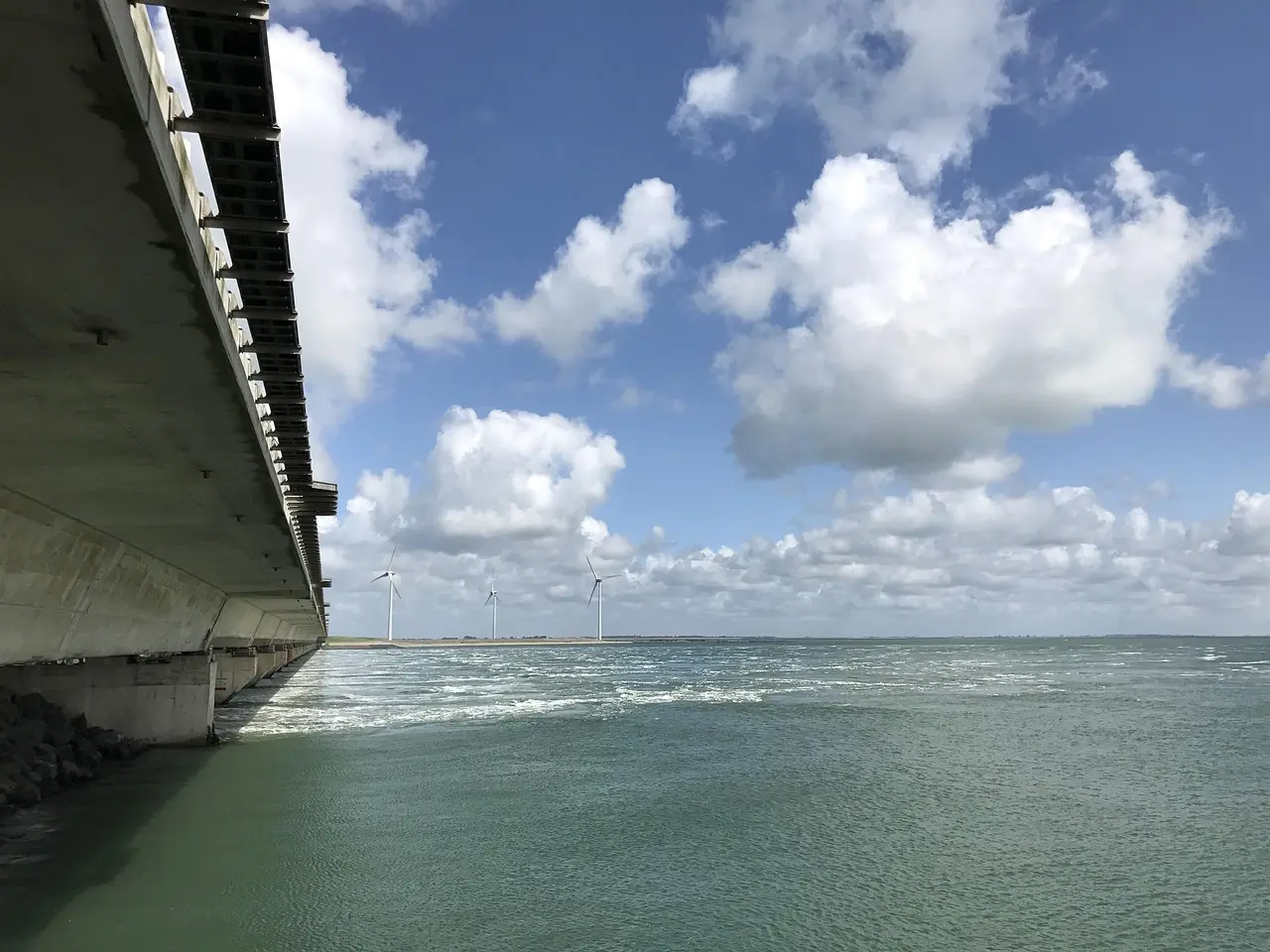
The Netherlands’ new critical-entities law links physical risk reviews with asset inventories, supplier dependencies, climate protection, and service recovery.