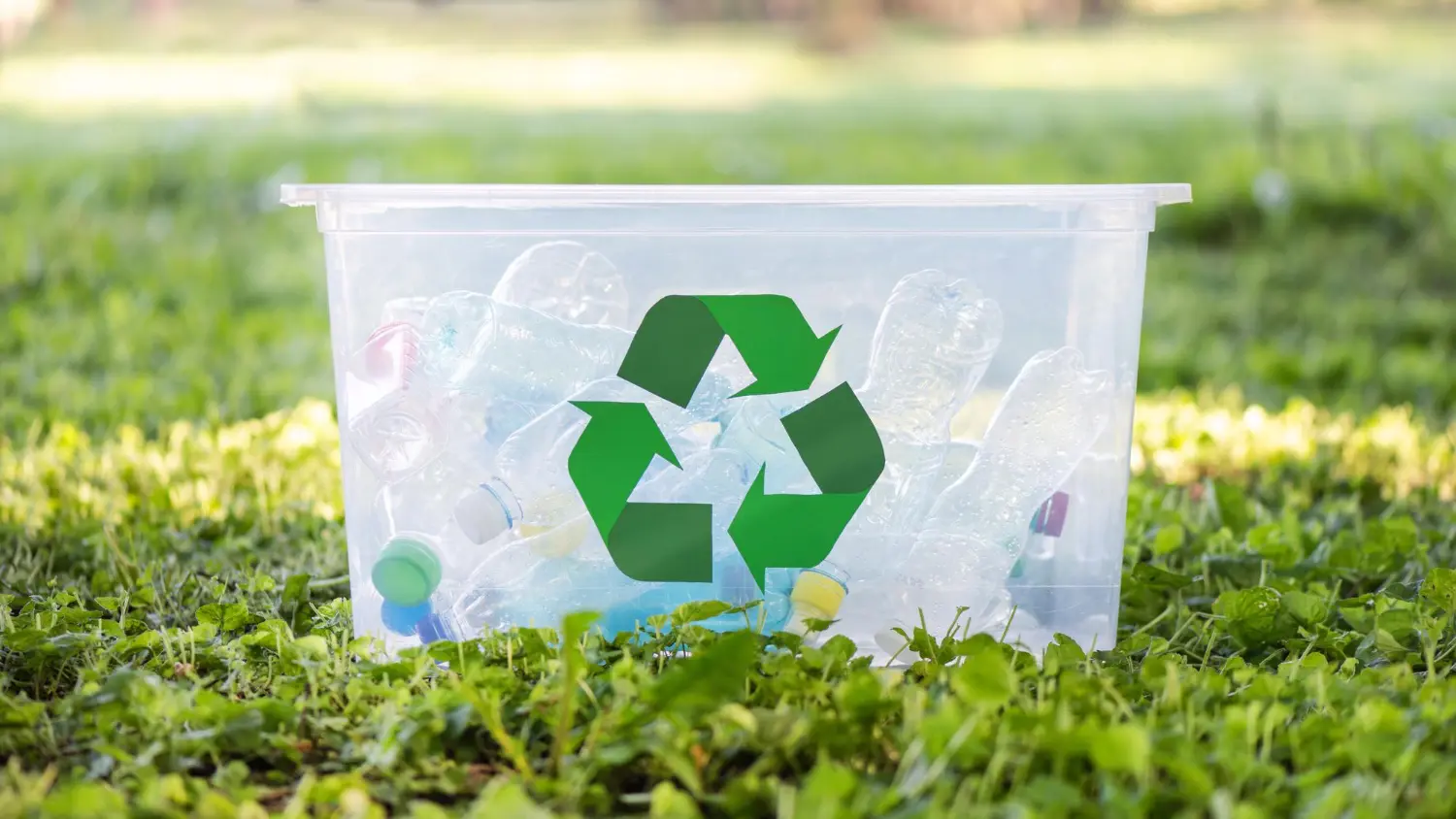

A café preparing for a busy weekend needs clean cups ready at the counter and a reliable way to get them back. Shared reuse services connect those two needs. Their design must account for customer convenience, business routines, and the collection and washing work that keeps products circulating.
Design a complete service
Begin with the journey of one item. Where is it issued, where can someone return it, and who checks that it is ready for another use? Convenient return points help customers participate. Common container formats can simplify storage and handling across a network. Operators also need to move stock between locations, because the busiest issuing point may differ from the busiest return point.
Start with a service boundary that staff can manage. A single event has concentrated demand and a defined closing time; a town-wide network has returns spread across venues and days. Those differences affect collection schedules, container stocks, and washing arrangements. They also determine who needs training and what a participating business must provide.
Match startup funding with operating responsibilities
Grants can support shared infrastructure and early coordination that businesses would find difficult to fund individually. The operating plan still needs to allocate cleaning, transport, replacement, and administration costs after startup support ends. Local purchasing rules and waste-prevention policies can help create demand for reusable services.
This approach also applies beyond foodware. Textile recovery needs collection, sorting, and reliable routes into repair, resale, or fiber recovery. Hospitals need procurement choices that fit clinical requirements and staff capacity. In each setting, the next step in the material journey must be able to handle what the previous step supplies.
Banff links reuse opportunities with municipal policy
Environment and Climate Change Canada’s October 2025 funding backgrounder listed C$186,680 for the Town of Banff. The project supported expansion of Borrow a Cup into new settings and large events, the introduction of Borrow a Bag with designated return bins, and evaluation of the town’s Single-Use Item Reduction Bylaw. The backgrounder describes funded activities and intended changes, rather than waste reductions measured as a result of this grant.
Banff’s November 2024 procurement brief provides a practical view of the cup service. It recorded 14 participating businesses at the time and set out responsibilities for supplying foodware, moving stock, monitoring loans and returns, and considering washing arrangements as the network expanded. The town and tourism, hospitality, and environmental partners sought a provider to continue and develop the service.
The town’s May 2026 waste update continued to include Banff Borrows among its prevention measures. It explained why keeping materials in circulation matters locally: products travel long distances into the community and need further transport for processing or disposal. For other visitor destinations, that context makes return convenience and a dependable operating network useful starting points.
Use operating data to improve the network
Count issues and returns by location, record stock losses, and identify where containers are waiting. Combine those observations with washing inputs, collection routes, staff time, and purchases of disposable alternatives. This helps a manager distinguish a shortage of stock from a poorly placed return point or an overloaded cleaning process.
Environmental comparisons should include the resources used to keep items in circulation. Washing consumes water and energy, while transport and replacement add further requirements. Repeated use can reduce the need for new products, but the balance depends on the actual service. Canada’s support for research on beverage-container footprints reflects the value of examining these trade-offs alongside infrastructure trials.
Practical takeaways
Define a manageable service, make returns convenient, and assign responsibility for each operational step. Plan recurring costs before expanding. Use stock and resource data to improve performance, then extend the network when it can keep products moving reliably.
From our books
Circular Cities: Designing Resource-Efficient Urban Systems for Resilience and Regeneration. By Robert C. Brears. Global Climate Solutions, 2026.
This book connects urban resource flows with the decisions that shape procurement, infrastructure, finance, and governance. Its public overview covers design, maintenance, reuse, recovery, and the challenges of moving beyond isolated pilots. For readers developing shared reuse services, it offers a wider framework for assigning responsibilities, setting baselines, and assessing environmental and social outcomes across a city.
Sources and further reading
Read the Global Climate Solutions source Insight, the federal funding backgrounder, Banff’s operating requirements, and the May 2026 municipal waste update. Explore the Circular Economy solution for related approaches.