
Circular Economy
Circular Plastics Newsletter Designing Reliable Reuse Services
Shared reuse services need convenient returns, dependable cleaning, and clear operating roles. Banff offers practical lessons for connecting these requirements.

Digital and physical innovation for climate action. Explore 32 published GCS insights and 5 books.

Evaluating Farm Decisions, Field Performance, and Adoption Risks
Energy Systems, Emissions Intelligence, and Accountable Deployment
Designing Resource-Efficient Urban Systems for Resilience and Regeneration
Shared reuse services need convenient returns, dependable cleaning, and clear operating roles. Banff offers practical lessons for connecting these requirements.
Germany’s MiSpeL framework connects battery storage and bidirectional charging with electricity-market participation through clearer measurement and settlement rules.
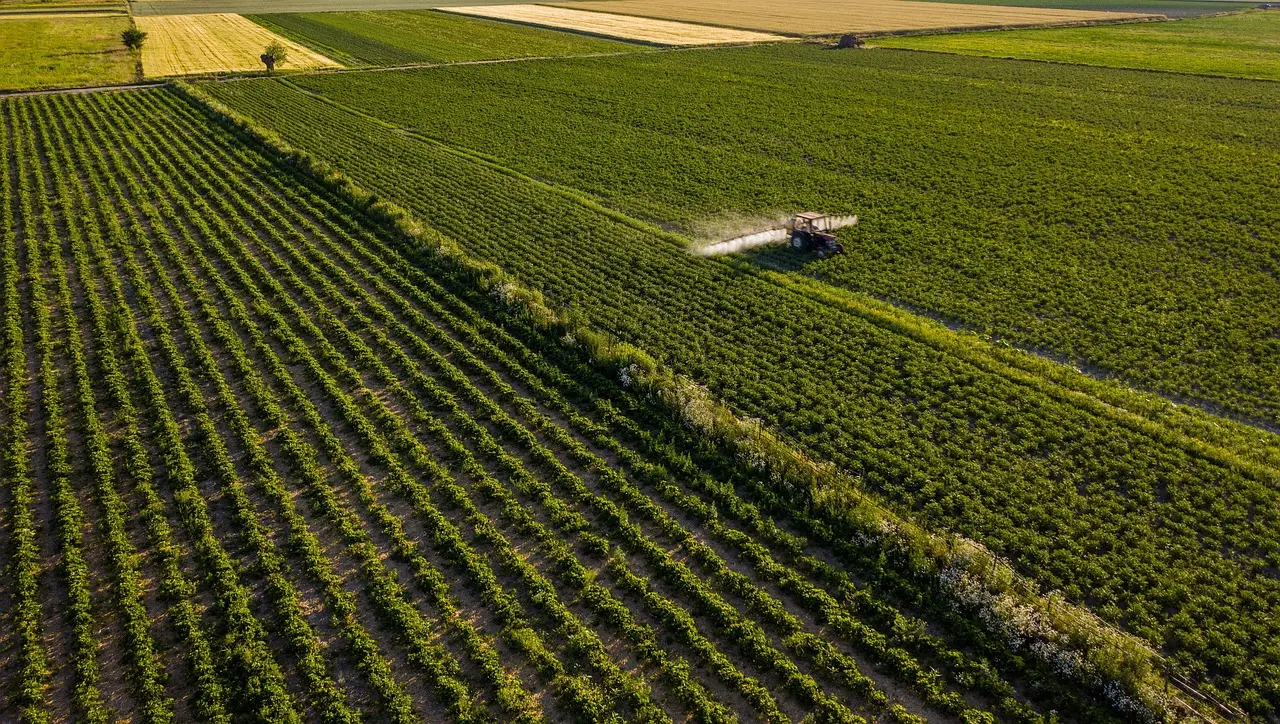
Agricultural digital twins can connect environmental observations with scenario testing, helping advisers compare options before organizing field trials.
Carbon markets can mobilise sustainable finance, but fragmented infrastructure and limited institutional capacity can restrict participation.
Climate policy increasingly combines emissions reduction with economic competitiveness to support long-term resilience and sustainable development.

Discover how Digital Twin platforms and space-enabled data systems are improving climate resilience, water management, and agricultural planning.
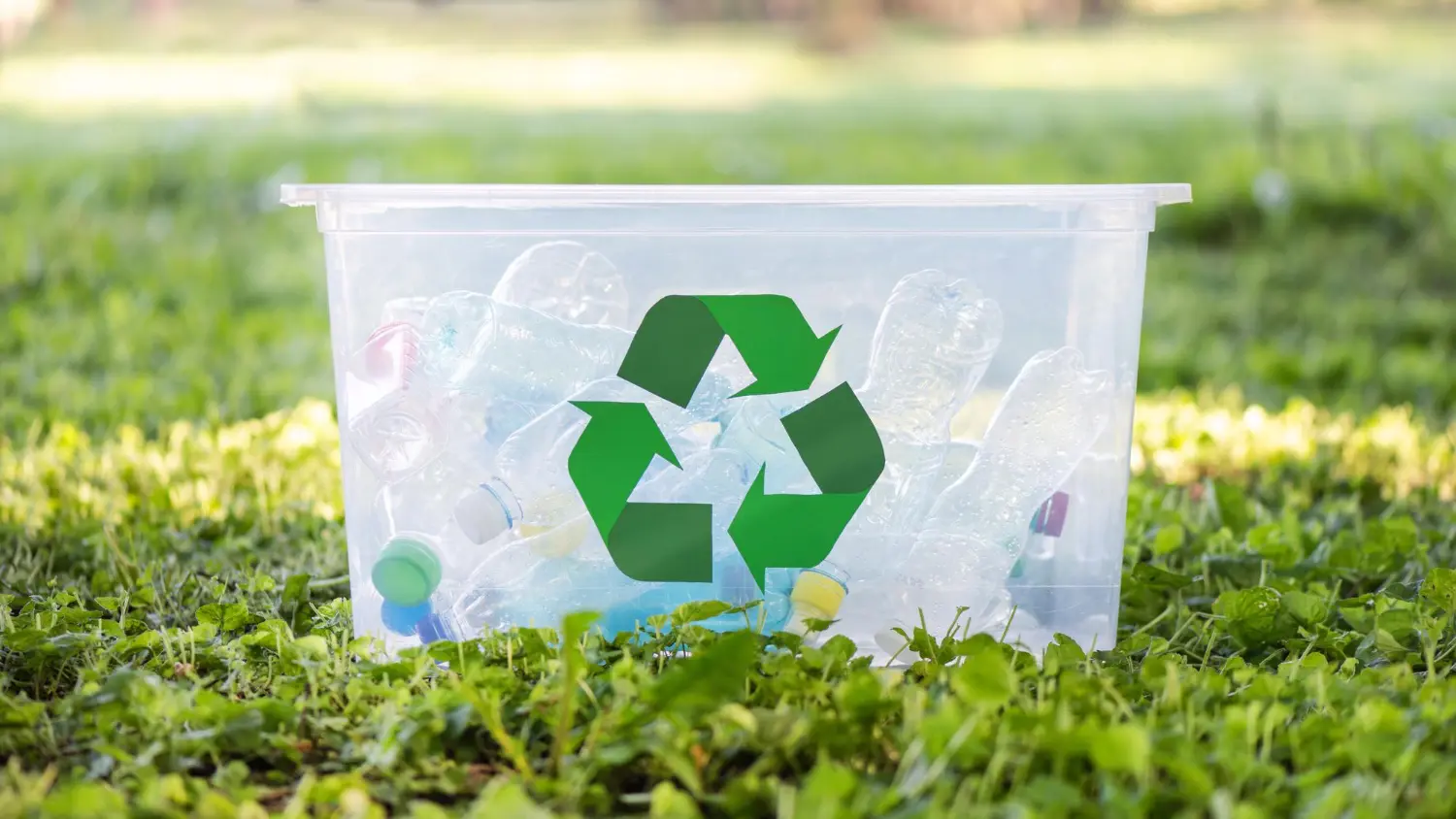
Explore how Canada’s circular plastics economy initiative supports reuse systems, textile recovery, and waste reduction through market-based tools.
Discover how AI improves coastal ecosystem monitoring, restoration, and climate resilience through predictive analytics, mapping, and automated enforcement.

Energy prosumers boost grid resilience, cut emissions, and enhance energy security through decentralized renewables, storage, and digital energy platforms.

Discover how virtual power plants coordinate distributed energy resources to improve grid flexibility, integrate renewables, and build resilient low-carbon power systems.

Explore how the Tokyo Digital Twin Project integrates real-time data and 3D modelling to support data-driven urban planning, infrastructure management, and city resilience.
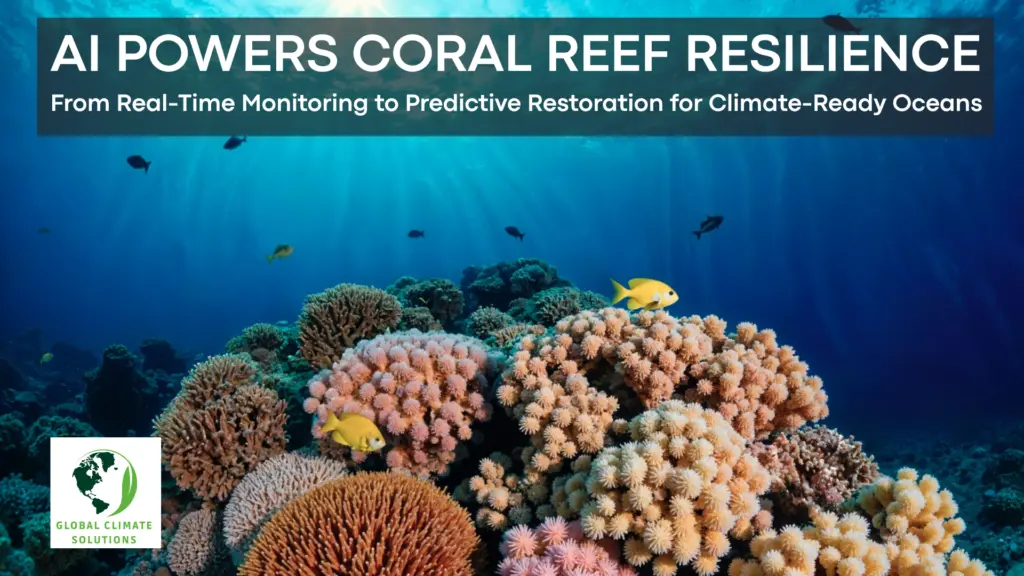
Explore how AI enhances coral reef monitoring, predictive modeling, and restoration to strengthen marine climate resilience.

Explore how the Singapore–Australia Green and Digital Shipping Corridor accelerates maritime decarbonization and port digitalization.
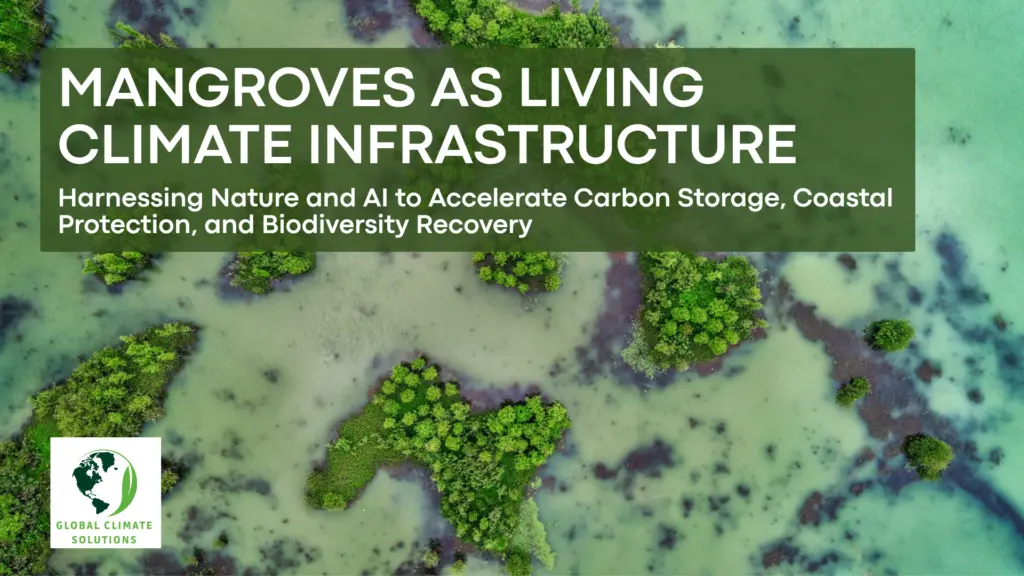
Why mangroves are critical for climate mitigation, adaptation, and biodiversity—and how AI is transforming ecosystem restoration.

How circular economy regions align governance, business models, and value chains to scale implementation beyond pilots.
Simulation models support sustainable agriculture by reducing runoff, erosion, and nutrient losses while improving land and water management decisions.

Explore how green transport solutions and Abu Dhabi’s 2040 smart mobility targets are transforming cities—from Level 4 autonomous permits to Masdar City.
The Blue Economy refers to the sustainable use of ocean resources for economic growth, improved livelihoods, and healthy marine ecosystems.
⚡ Off-grid renewables are reshaping energy access across the Pacific. Solar, wind, hydro, and tidal systems are lighting homes, powering livelihoods, and strengthening climate resilience in the most remote communities.
Climate change requires transformative solutions that go beyond traditional mitigation and adaptation measures.
Climate change is an urgent global issue, demanding innovative financial solutions.
As global water demand escalates, the urgency for effective and sustainable water management becomes increasingly critical.
As the effects of climate change become increasingly evident, the world's urban centres are on the frontline, grappling with challenges like rising sea levels, extreme weather events, and unpredictable environmental changes.
Climate change is reshaping the business landscape, propelling the shift toward a green economy that is low in carbon emissions, efficient in resource use, and inclusive in its benefits.
In the face of mounting challenges due to climate change, adopting sustainable and resilient agricultural practices has become increasingly critical.
Precision agriculture integrates AI and data-driven technologies to optimize farming operations and resource utilization and has the potential to improve water efficiency significantly, a critical aspect of agriculture.
The urgency to tackle climate change is increasingly critical. With a significant portion of the global population in urban areas, these regions are major contributors to greenhouse gas emissions and hold potential solutions.
The urgency to address the climate crisis is paramount as global focus intensifies.
The urgency for climate-resilient urban water systems has never been higher. With climate change manifesting in extreme weather patterns, communities globally face an existential challenge to their water and sanitation infrastructure.
Food security is a significant challenge in arid regions, where traditional agriculture contributes to greenhouse gas emissions and uses large amounts of freshwater.
URL image: Light Bulb Is Located On Soil Plants Grow On Stacked Coins Renewable Energy Generation Is Essential For The Future Renewable Energybased Green Business Can Limit Climate Change And Global Warming Stock Photo - Download Image Now - iStock.
The impact of climate change on essential resources like water and food is increasingly significant.