Climate policy professionals
Officials and advisers assessing where AI can support mitigation policy and how outcomes should be verified.

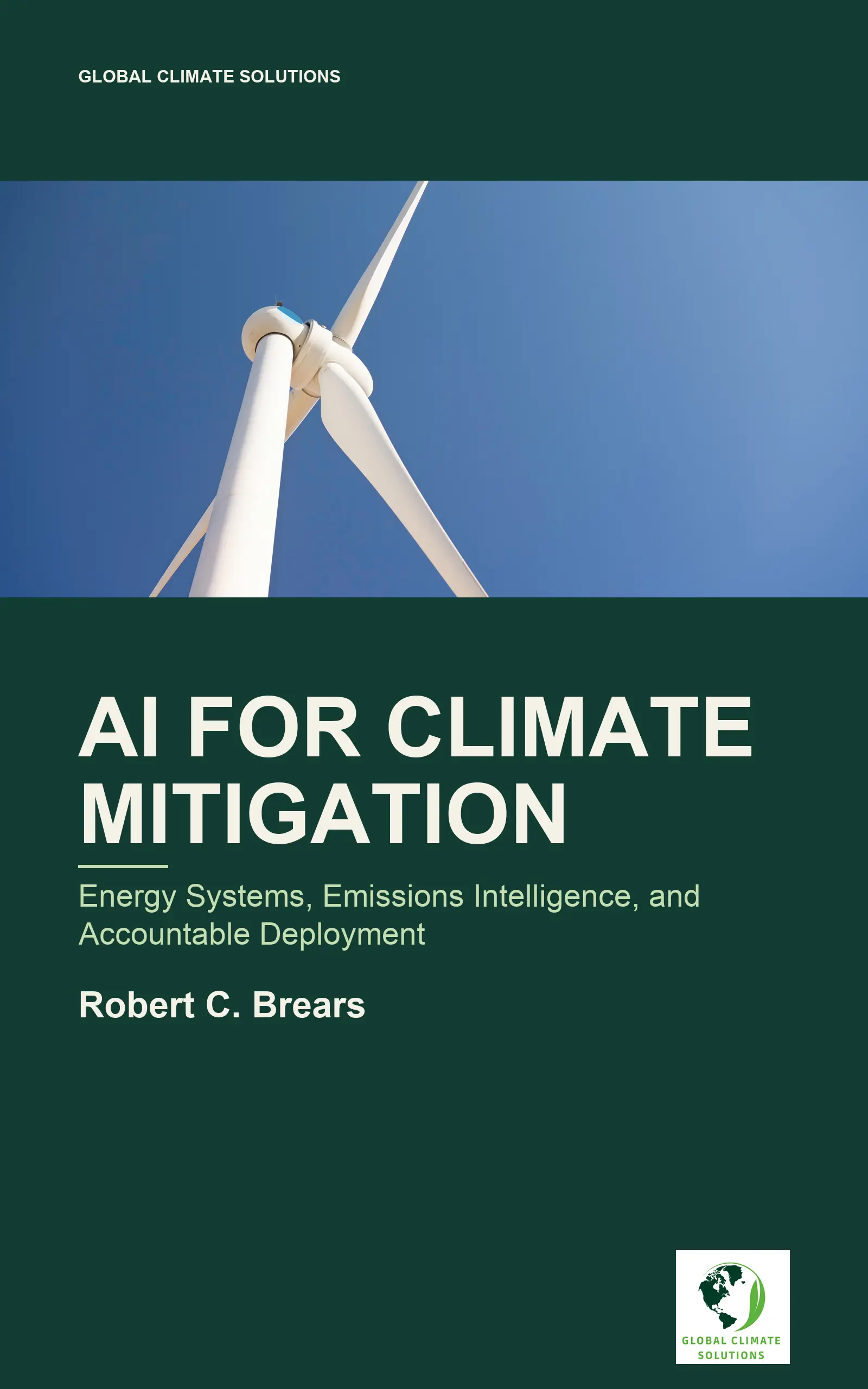
Energy Systems, Emissions Intelligence, and Accountable Deployment
ISBN 978-1-991367-16-7 · Global Climate Solutions · First EditionBetter predictions do not automatically cut emissions. Organizations need to know when artificial intelligence changes physical operations, what those changes achieve, and whether the evidence supports continued investment.
AI for Climate Mitigation gives policy, infrastructure, sustainability, technology, and investment professionals a framework for assessing that chain. It connects digital capabilities to operational decisions and verified environmental outcomes, with explicit attention to baselines, uncertainty, and system boundaries.
Examine opportunities in clean power, buildings, industry, and mobility. Assess carbon monitoring, methane detection, financial screening, and policy analysis without confusing model outputs with realized reductions. Account for computing demand, hardware lifecycles, rebound effects, and carbon-intensive lock-in alongside potential benefits.
The book brings these questions together through deployment governance: who owns the decision, what evidence is sufficient, how humans oversee the system, and when claims need review. Use it to scrutinize proposals, compare interventions, and design evaluation that keeps mitigation outcomes at the center.
Distinguish model performance, operational savings, and verified emissions reductions using explicit counterfactuals and system boundaries.
Assess AI applications in power forecasting, grid operations, and coordinated electrification against physical and institutional constraints.
Compare deployment opportunities in buildings, industry, and mobility while distinguishing measured results from modeled estimates.
Evaluate carbon monitoring, methane detection, financial screening, and policy analysis as inputs to accountable mitigation decisions.
Account for AI hardware, computing demand, lifecycle impacts, rebound, and possible carbon-intensive lock-in.
Design deployment governance around decision ownership, evidence quality, verification, human oversight, and review of continuing climate claims.
Introduction: Framing AI as Climate-Mitigation Infrastructure
Chapter 1: The Mitigation Logic of Artificial Intelligence
Chapter 2: AI for Clean Power and Electrified Systems
Chapter 3: AI in Buildings, Industry, and Mobility
Chapter 4: AI for Carbon Intelligence, Finance, and Climate Decisions
Chapter 5: Governing an AI-Enabled Mitigation Transition
Conclusion: From Promise to Accountable Mitigation Practice
Officials and advisers assessing where AI can support mitigation policy and how outcomes should be verified.
Utility, grid, building, industrial, and transport decision-makers evaluating deployment within physical system constraints.
Professionals defining emissions boundaries, evaluating monitoring evidence, and substantiating mitigation claims.
Teams selecting and governing AI applications while accounting for computing impacts and operational accountability.
Analysts assessing carbon information and screening tools without confusing model outputs with realized investment or emissions outcomes.

Robert C. Brears is the founder and editor-in-chief of Global Climate Solutions. His work connects climate resilience, water security, nature-based solutions, sustainable finance and the transition to more resilient cities and industries.
View author profile →Better predictions do not automatically cut emissions. Organizations need to know when artificial intelligence changes physical operations, what those changes achieve, and whether the evidence supports continued investment.

Shared reuse services need convenient returns, dependable cleaning, and clear operating roles. Banff offers practical lessons for connecting these requirements.
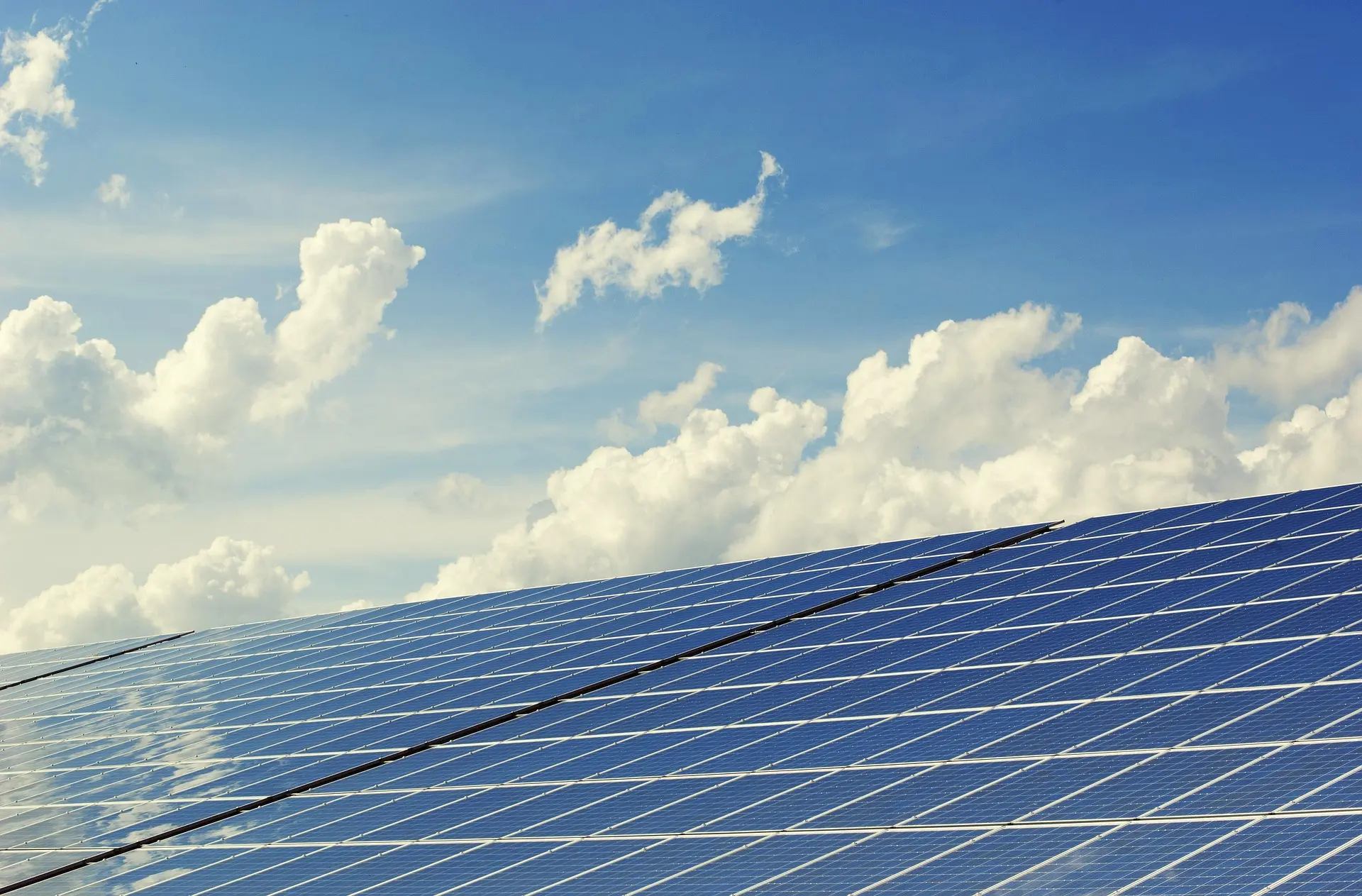
Germany’s MiSpeL framework connects battery storage and bidirectional charging with electricity-market participation through clearer measurement and settlement rules.
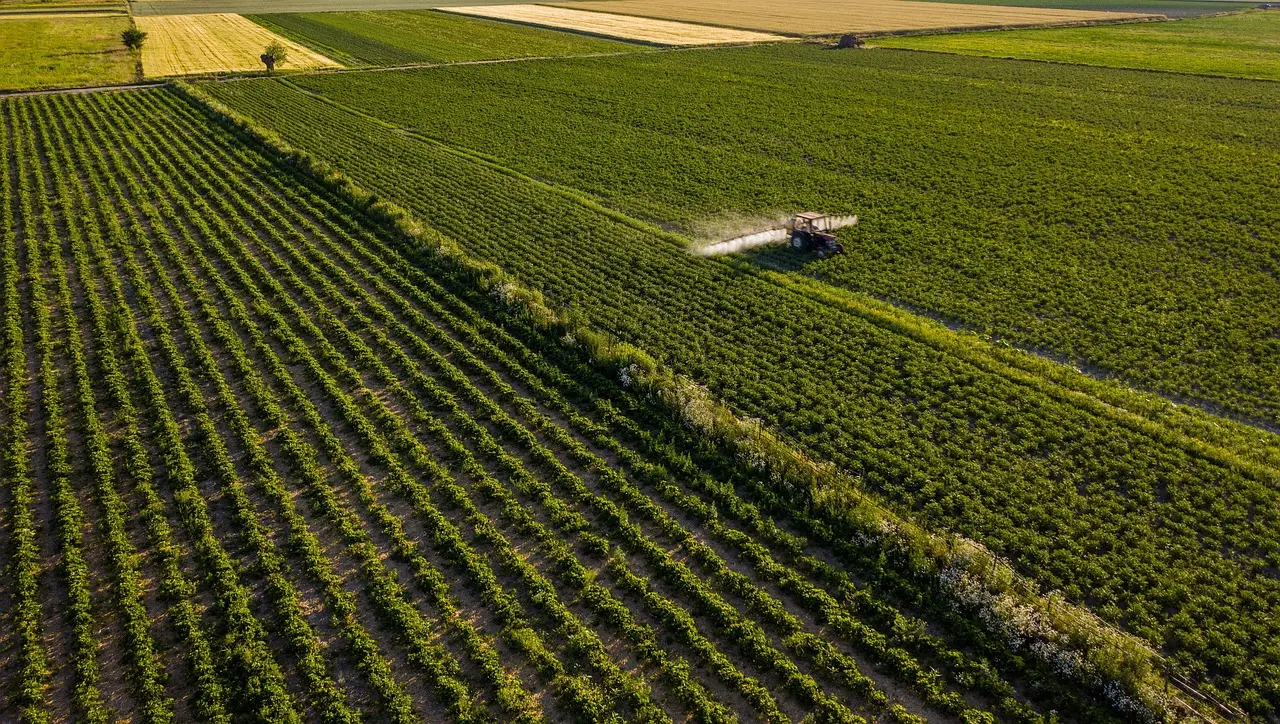
Agricultural digital twins can connect environmental observations with scenario testing, helping advisers compare options before organizing field trials.