
The Importance of Water Efficiency
Water is a vital resource for agriculture, as it plays a crucial role in crop growth and yield. According to the United Nations, agriculture accounts for 69% of global freshwater withdrawals. However, water scarcity has become a significant challenge with climate change and the increasing global population. Therefore, efficient water management is essential to ensure food security and reduce the environmental impact of agricultural activities.
AI-Driven Precision Agriculture
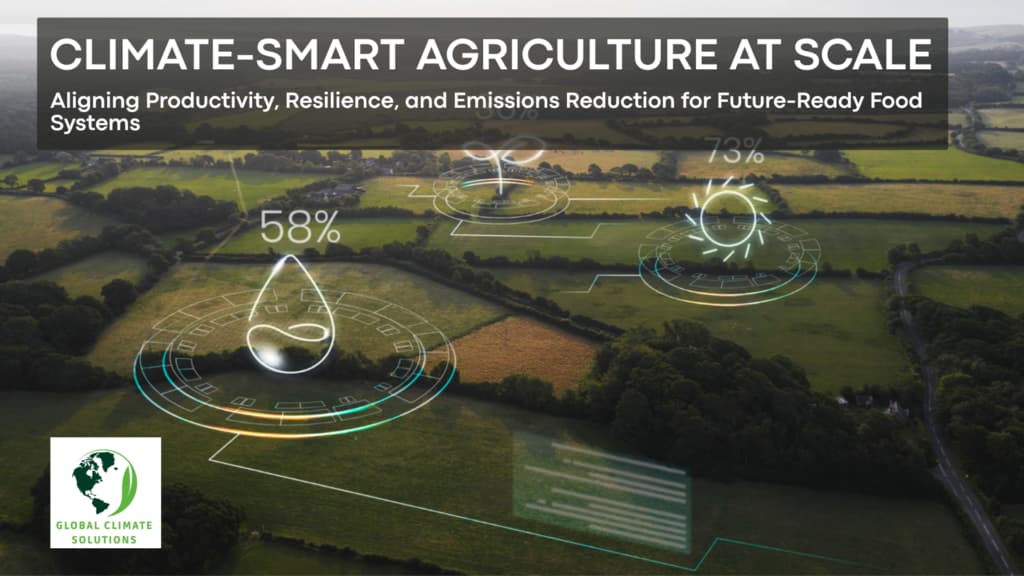
AI has the potential to address water efficiency challenges by enabling precision agriculture. Integrating AI-driven technologies like machine learning, computer vision, and remote sensing allows farmers to collect and analyze large volumes of data in real time. These data-driven insights help optimize farming practices, including irrigation, fertilization, and pest management. As a result, AI-driven precision agriculture can significantly improve water efficiency and contribute to sustainable farming practices.
Smart Irrigation Systems
Smart irrigation systems are AI’s most significant applications in precision agriculture. These systems use various sensors, such as soil moisture sensors and weather data, to monitor the water requirements of crops. Machine learning algorithms then process this data and provide real-time irrigation recommendations. This approach enables farmers to apply water only when and where needed, reducing water waste and improving overall efficiency.
Predictive Analytics and Crop Modeling
AI-driven predictive analytics can help farmers forecast crop water requirements and plan their irrigation strategies more effectively. AI models can predict crop water needs and growth stages by integrating historical data, weather patterns, and crop-specific information. These insights can then be used to optimize irrigation schedules and adapt to changing environmental conditions.
Satellite and Drone-Based Remote Sensing
Remote sensing technologies, such as satellite imagery and drones, are increasingly used to monitor crop health, soil moisture, and other environmental parameters. AI algorithms can analyze these large datasets to identify patterns and trends related to water use efficiency. For example, remote sensing can detect areas of over-irrigation or water stress, allowing farmers to make targeted adjustments to their irrigation practices.
Yield Optimization and Water Footprint Reduction
Cloud-Based Water Management System for Improving Irrigation Efficiency and Sustainability in Australia
The COALA project is a Copernicus-based information service that supports Australian farmers in the Murray-Darling Basin by using satellite data for precision irrigation and nutrient management. The COALA project partnered with Rubicon Water to develop a cloud-based water management system to improve irrigation efficiency and reduce water usage in the Murray Darling Basin, an Australian agricultural region. The system involved installing sensors and monitoring devices throughout the irrigation network to provide real-time data on water usage, weather patterns, and other factors impacting irrigation efficiency. The data was analyzed using the COALA project’s logistics analytics solutions to identify optimization opportunities, predict future demand, and improve resource allocation. The project resulted in a 20% improvement in irrigation efficiency, significant cost savings for farmers, and a reduced environmental impact. In addition, the project demonstrates the potential for cloud-based logistics analytics solutions to be applied to other agricultural areas worldwide to improve efficiency and sustainability.
The Future of Sustainable Farming Practices
As global challenges like climate change and water scarcity grow, adopting AI-driven precision agriculture will become increasingly important. These technologies can help farmers optimize water use and promote more sustainable farming practices. Furthermore, as AI advances, we can expect more sophisticated tools and techniques to emerge, further enhancing the role of precision agriculture in addressing global food and water challenges.