Climate Finance
Private Finance for Climate Adaptation: How Spain Shares Irrigation Costs
A Spanish irrigation project shows how a public funding ceiling and a growers’ contribution can support shared investments in water reliability.

Water security, infrastructure and resource management. Explore 40 published GCS insights and 12 books.

A Utility Guide to Forecasting, Conservation, and Drought Planning
Connecting Services, Catchments, Governance, and Resilience
Planning Productive, Equitable, and Resilient Food Systems in Cities
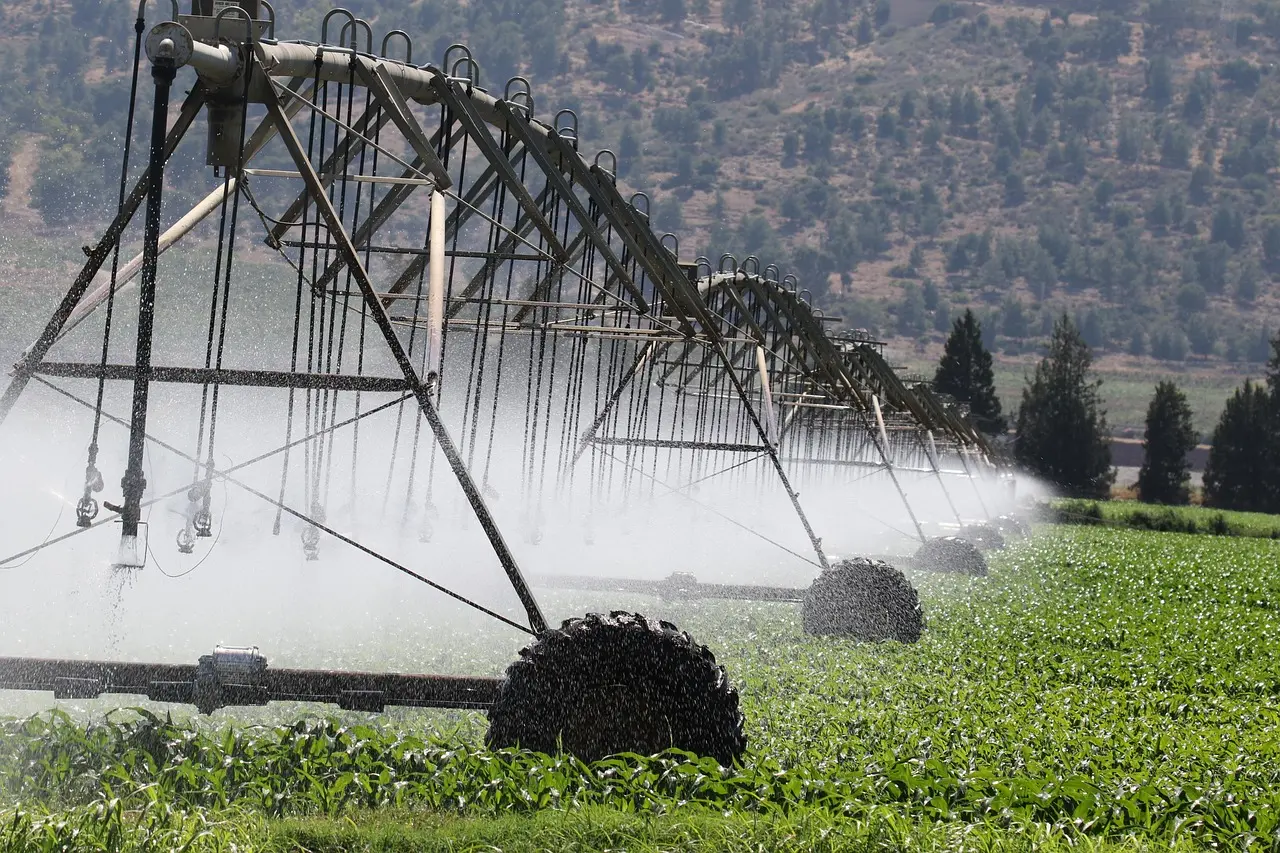
A Spanish irrigation project shows how a public funding ceiling and a growers’ contribution can support shared investments in water reliability.
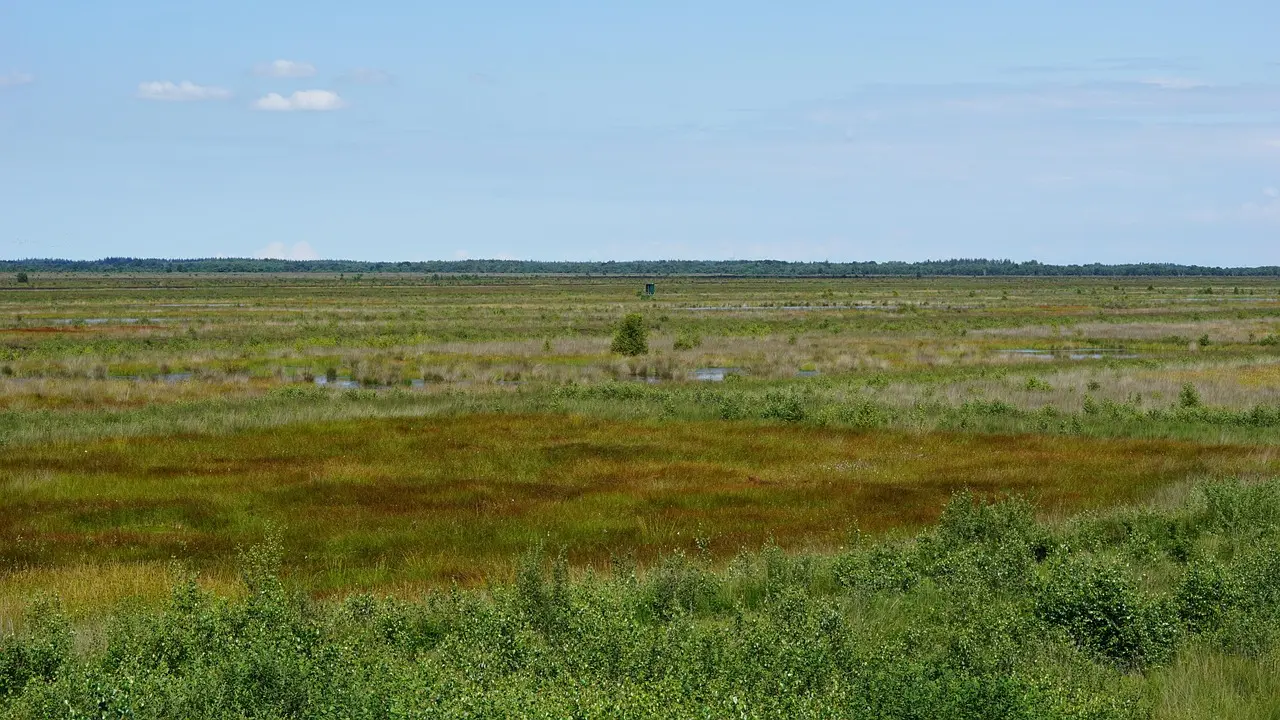
Mapping connected drains helps restoration partners decide where to raise water levels, secure landowner permission, and monitor how a bog responds.
Agricultural systems face growing drought, heat, water, and production risks that can weaken climate resilience and long-term sustainability.
Climate change is increasing pressure on urban water systems while intense rainfall can overwhelm drainage networks.
Heavy rainfall can overwhelm landscapes when water moves rapidly through catchments, increasing flood risk and damaging habitats.
Urban flooding threatens infrastructure, homes, transport networks, and essential services as severe storms interact with constrained waterways and sewer systems.

Discover how SA Water’s recycled water networks improve water security, support climate resilience, and reduce freshwater demand through sustainable reuse.
🌆 Urban flooding is becoming one of the defining infrastructure challenges of climate change.
Discover how AI improves coastal ecosystem monitoring, restoration, and climate resilience through predictive analytics, mapping, and automated enforcement.
Peatland restoration enhances carbon storage, water regulation, and biodiversity, offering a scalable nature-based solution for climate resilience.
Explore how England’s NCPGS funds peatland restoration to reduce emissions, enhance carbon storage, and improve ecosystem resilience at scale.
Blue bonds channel capital into marine conservation, coastal resilience, sustainable infrastructure, and ocean economies through targeted climate-smart finance.
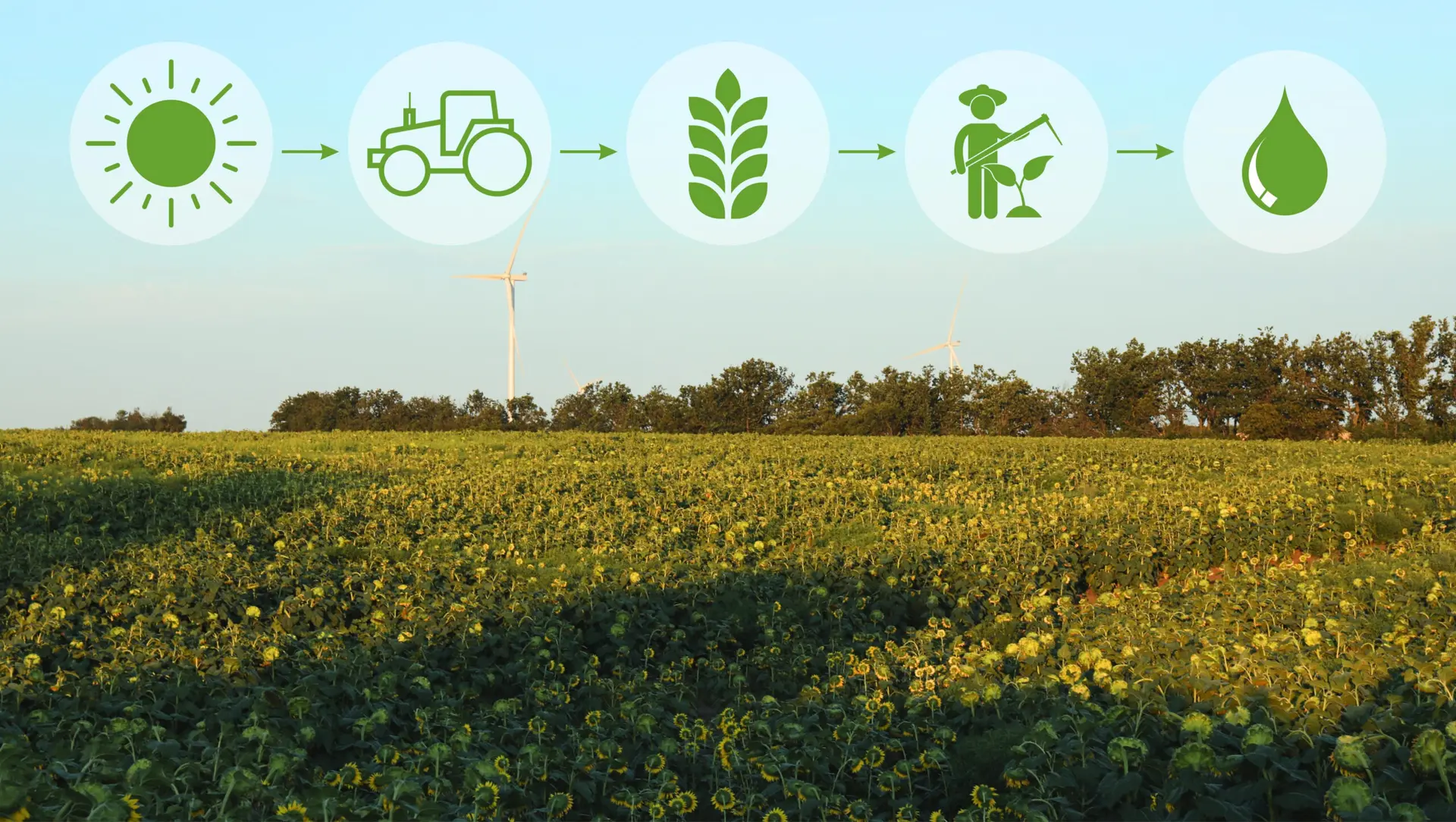
Explore how integrated policy frameworks and Australia’s Climate-Smart Agriculture Program strengthen resilience, emissions reduction, and sustainable land management.
Climate-smart agriculture integrates resource efficiency, soil health, water stewardship, and circular livestock systems to strengthen food system resilience while reducing emissions and safeguarding long-term productivity.
Simulation models support sustainable agriculture by reducing runoff, erosion, and nutrient losses while improving land and water management decisions.
Learn how green buildings improve energy efficiency, water conservation, indoor quality, and long-term performance, with BERDO strengthening compliance frameworks.
Floodplains and rivers provide essential services such as flood regulation, water purification, biodiversity support, and carbon storage.
Forests are central to environmental stability, economic growth, and community well-being.
Cities worldwide face rising climate risks, from flooding and heatwaves to supply chain disruptions.
Payments for Ecosystem Services (PES) are financial mechanisms that incentivize landowners and resource managers to conserve and sustainably manage natural ecosystems.
Urban green spaces are critical for enhancing city livability, supporting biodiversity, and mitigating the impacts of climate change.
Green roofs, or living or vegetated roofs, are a revolutionary approach to urban development, blending nature and architecture.
Greenhouse gases (GHGs), such as carbon dioxide, methane, and nitrous oxide, trap heat in the atmosphere, leading to global warming.
As global water demand escalates, the urgency for effective and sustainable water management becomes increasingly critical.
Water security is crucial for several reasons. It ensures everyone can access safe and adequate drinking water, which is vital for human health and well-being.
As we move towards 2050, when it is projected that two-thirds of the global population will live in urban areas, the role of cities in climate change is becoming increasingly significant.
URL image: Fresh Green And Building Groups Stock Photo - Download Image Now - Apartment, Architecture, Beauty - iStock (istockphoto.com)
In the face of mounting challenges due to climate change, adopting sustainable and resilient agricultural practices has become increasingly critical.
Cities, home to half the world's population and generating almost 80 percent of the world's GDP, are facing extreme weather events and rapid urban growth.
Precision agriculture integrates AI and data-driven technologies to optimize farming operations and resource utilization and has the potential to improve water efficiency significantly, a critical aspect of agriculture.
The urgent need to shift from fossil fuels, responsible for over 75% of global greenhouse gas emissions, to renewable energy sources is clear.
The urgency for climate-resilient urban water systems has never been higher. With climate change manifesting in extreme weather patterns, communities globally face an existential challenge to their water and sanitation infrastructure.
Water utilities are beginning to promote the circular water economy to mitigate greenhouse gas emissions and enhance resilience to climate change.
Cities worldwide, home to an expected 70% of the global population by 2050, face increasing exposure to natural hazards.
URL IMAGE: Light Bulb Made Of Water Splashes Stock Photo - Download Image Now - Water, Fuel and Power Generation, Vitality - iStock (istockphoto.com)
URL IMAGE: Hydrogen Energy Storage Gas Tank For Clean Electricity Solar And Wind Turbine Facility Stock Photo - Download Image Now - iStock (istockphoto.com)
"Blue Planet," "Blue Lung," and "Blue Carbon" aren't just poetic; they underscore the ocean's vital role, covering 71% of Earth, providing over half our oxygen, and storing immense carbon.
Food security is a significant challenge in arid regions, where traditional agriculture contributes to greenhouse gas emissions and uses large amounts of freshwater.
The impact of climate change on essential resources like water and food is increasingly significant.
URL image Drought And Climate Change Impact Stock Photo - Download Image Now - Climate Change, Drought, Dry - iStock (istockphoto.com)