
What Is Sustainable Forestry
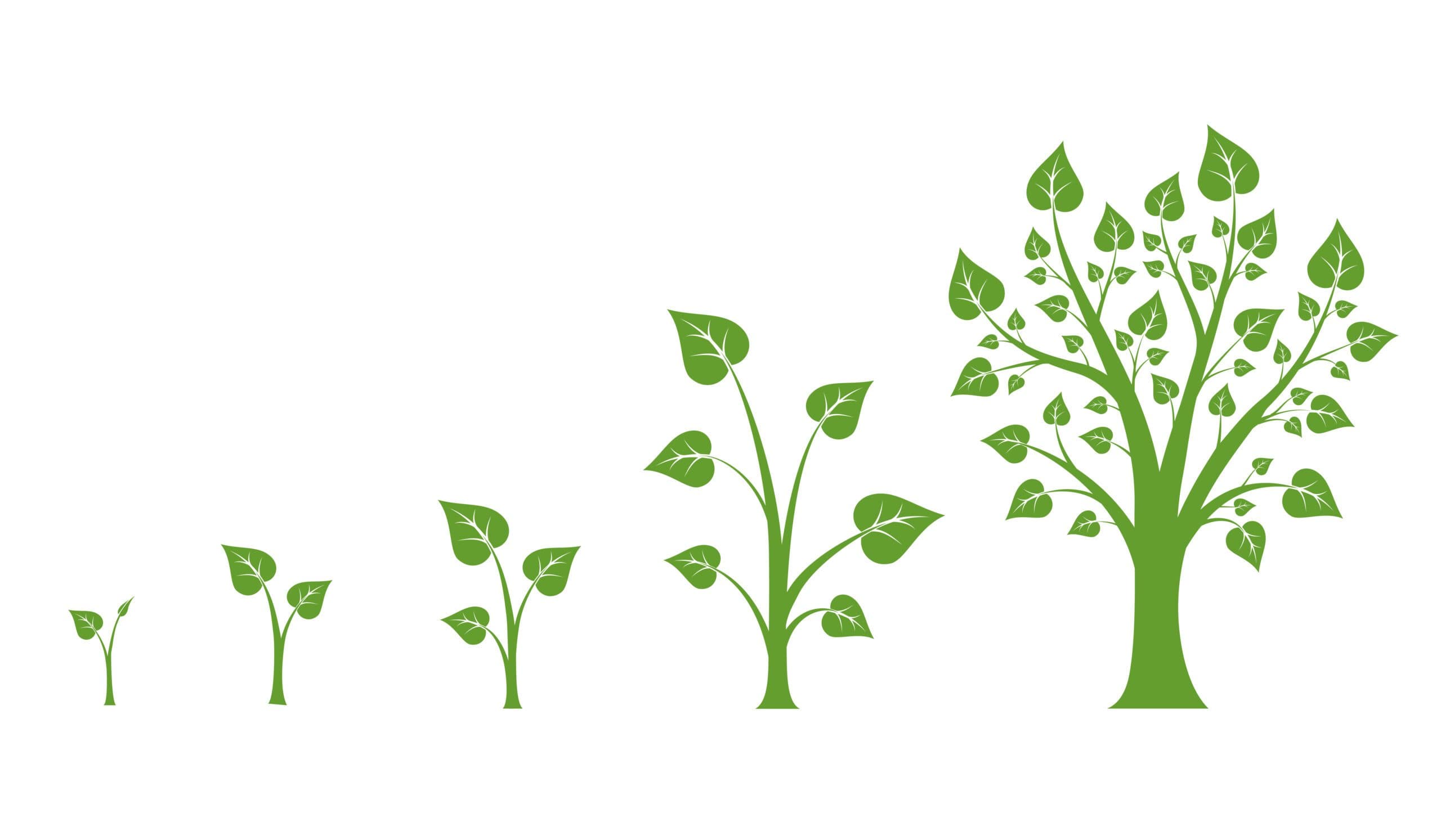
Sustainable forestry is the management of forests to maintain their long-term ecological, social, and economic value. It ensures that timber and non-timber resources are harvested responsibly while protecting biodiversity, soil, water, and climate-regulating functions. By focusing on regeneration and conservation, sustainable forestry maintains the health and productivity of forests for present and future generations.
Role of Certification Schemes
Certification schemes are formal systems that verify whether forest management aligns with sustainability standards. They provide independent assurance that forests are managed in ways that protect ecosystems, respect community rights, and support economic stability. Certification schemes are widely recognized tools for promoting sustainable forestry, ensuring that practices meet clear benchmarks and can be trusted by markets and consumers.
Core Elements of Forest Certification
Forest certification is structured around three main components. Forest management certification assesses how forests are planned, harvested, and regenerated in line with sustainability principles. Chain-of-custody certification tracks certified materials throughout the supply chain, maintaining transparency and preventing mixing with non-certified sources. Product labeling provides clear marks that identify products originating from sustainably managed forests, making certification visible to buyers and stakeholders.
Independent Auditing and Monitoring
Certification schemes rely on third-party audits to confirm compliance with defined sustainability standards. Independent auditors assess forest management and supply chains to verify that requirements are met. Certification is maintained through regular monitoring and reassessment, ensuring that sustainable forestry is a continuous commitment rather than a one-time achievement.
Framework for Responsible Forestry
Case Study: How PEFC Certification Supports Sustainable Forestry and Carbon Projects
The Programme for the Endorsement of Forest Certification (PEFC) is a global certification system that promotes sustainable forest management. Its standards, recognized by third-party auditors, align with international carbon market requirements. Certification assures stakeholders that forestry operations meet ecological, social, and economic criteria, helping project developers and forest owners demonstrate sustainability performance.
PEFC certification applies to both individual owners and group projects, covering small-scale and large-scale operations. Eligibility requires compliance with forestry legislation, verified land ownership, and adherence to social safeguards. By accommodating different contexts, the system ensures broad accessibility across the forestry sector.
Certified forests undergo annual third-party audits that confirm compliance with PEFC standards, including biodiversity protection, worker safety, and risk management. Ongoing monitoring requires regular reporting on pest control, fire prevention, and regeneration practices, providing investors and regulators with consistent assurance.
PEFC certification strengthens carbon projects by increasing sequestration, reducing wildfire impacts, and improving biodiversity outcomes. It also supports access to carbon markets, where certified credits often attract higher demand and pricing due to their verified environmental and social co-benefits. In some compliance systems, certification is a prerequisite, making it vital for project success.
Conclusion
Sustainable forestry depends on clear standards and independent verification to balance ecological, social, and economic values. Certification schemes provide this structure, ensuring that forests are managed responsibly and that products are traceable and credible in global supply chains. The case of PEFC highlights how certification strengthens carbon projects, reduces risk, and supports access to growing markets. Together, these approaches demonstrate the value of certification in advancing sustainable forest management worldwide.