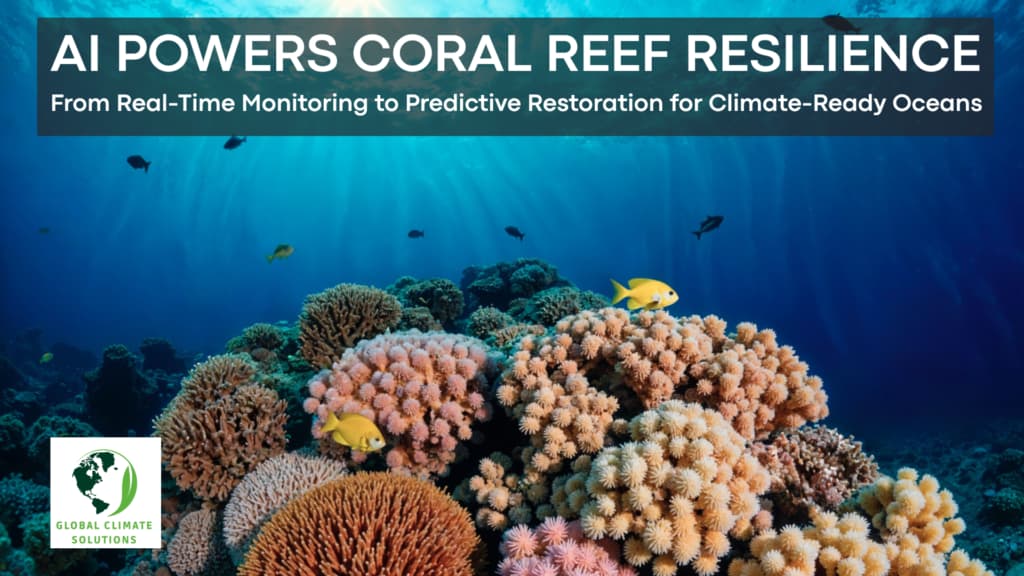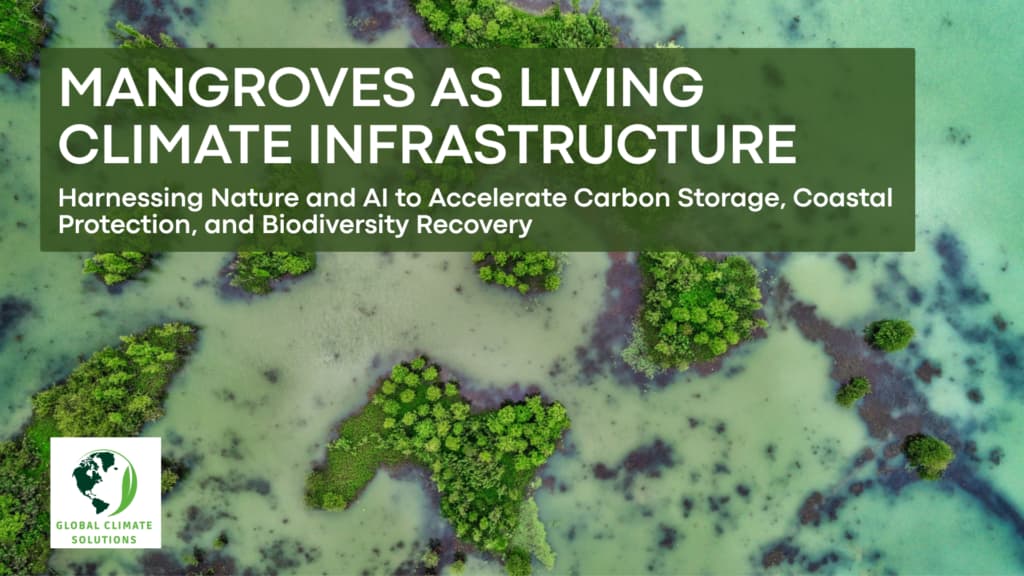


Biodiversity loss weakens the ecosystems that regulate climate, water, soils, and food systems. Protecting biological diversity therefore supports resilience while advancing mitigation and adaptation goals. Examine how France's Mission Nature 2026 finances ecosystem restoration for global climate action.
Protecting Ecological Functions
Biodiversity conservation protects genes, species, and ecosystems that support stable ecological functions. Diverse ecosystems regulate water, maintain soils, pollinate crops, cycle nutrients, and support food production. These functions can reduce exposure to drought, erosion, heat, flooding, and disease risks. Effective conservation combines connected habitats, representative protected areas, sustainable resource use, and controls on direct pressures. Authorities also need baselines that describe species, habitat condition, and ecosystem function. Repeated monitoring then shows whether management is improving ecological integrity or only preserving administrative boundaries. Landscape planning can use these findings to protect movement corridors and reduce conflicts between development and conservation.
Building Climate Resilience
Climate change alters temperatures, rainfall, fire regimes, and ocean conditions that shape where species can survive. Habitat fragmentation can intensify these pressures by limiting movement between suitable areas. Biodiversity conservation can strengthen resilience by maintaining ecological connectivity and reducing avoidable stresses. Restoration can recover wetlands, forests, grasslands, rivers, and coastal habitats when degradation has disrupted key functions. Management should address the original pressure, define a reference condition, and allow natural recovery where possible. Climate policies should also assess biodiversity impacts so mitigation projects do not create new ecological risks. This integrated approach treats ecological recovery as a practical part of adaptation, rather than an isolated environmental objective.
Financing Measurable Restoration
Biodiversity conservation requires finance that moves from broad commitments to defined restoration work. Funding rules can specify eligible ecosystems, project durations, technical safeguards, reporting duties, and measurable outcomes. Competitive grants can direct resources toward projects with credible diagnostics and durable management arrangements. Public agencies can review technical quality, legal compliance, financial capacity, and expected ecological impact before awarding support. Delivery agreements should connect payments with progress reports, expenditure records, and final results. Open data and evaluation can then help decision-makers compare methods, identify failures, and improve future conservation programs. Long-term stewardship remains essential because short funding cycles cannot guarantee lasting ecological recovery.
Case Study: France's Mission Nature 2026
France launched the fourth Mission Nature call for projects in March 2026 through the French Biodiversity Agency, or OFB. The program uses part of the state levy on a biodiversity lottery product marketed by FDJ UNITED. Article 115 of Finance Act No. 2022-1726 for 2023 provides the statutory funding basis. The 2026 edition selected 28 projects from 128 applications across metropolitan and overseas France. Special lottery draws raised more than EUR9 million for restoration operations.
The call restricted support to ecosystem restoration covering habitats, species, ecological functions, and pressures. Eligible applicants included environmental associations, foundations, public bodies, and specified conservation organizations. Individuals, companies, routine management, regulatory compensation, research-only work, and projects causing artificialization were excluded. Projects needed an ecological diagnosis, a reference condition, measures addressing degradation, and monitoring of restoration results. Materials also had to be biodegradable and have low ecological impacts where used.
OFB grants ranged from EUR50,000 to EUR990,000, while operational delivery could last no longer than 36 months. Applicants had to provide at least 20 percent self-financing or co-financing. Additional environment ministry co-financing remained possible when it formed a minority share. OFB conducted administrative, technical, legal, and financial review before a national jury validated recipients. Beneficiaries must submit progress, expenditure, and final reports, while OFB can reduce or recover support for non-compliance. Together, these controls connect citizen-backed finance with measurable restoration and stronger ecosystem resilience.
Conclusion
Biodiversity conservation supports climate action when policy protects ecological functions and funds measurable restoration. Clear eligibility rules, accountable institutions, and sustained monitoring can turn public finance into durable ecosystem resilience.