

Wastewater Energy Recovery
Wastewater is a significant source of energy. The organic content in wastewater, including human waste, food remnants, and paper, is a powerful input for anaerobic digestion. This process generates biogas, a renewable form of energy. The captured biogas can be used to produce electricity and heat, reducing our reliance on non-renewable energy sources and decreasing greenhouse gas emissions.
Floating Solar Panels
Floating solar, also known as floating photovoltaic (FPV) or floatovoltaics, refers to solar arrays that are installed on water bodies. These solar panels are attached to buoyant structures that keep them afloat. Floating solar installations are typically found on lakes or basins due to their calmer waters compared to oceans. It's also common to install these structures on large, man-made water bodies like reservoirs.
Waste-to-Heat
Waste-to-heat, also known as energy-from-waste, is a process that involves converting waste materials into heat energy. This is typically achieved through incineration, where waste materials are burned at high temperatures. The heat generated from this process can be used to produce steam, which can then be used to generate electricity or provide heating. This method not only helps in managing waste but also contributes to energy production, thereby reducing our reliance on non-renewable energy sources.
Rooftop Solar Photovoltaic (PV)
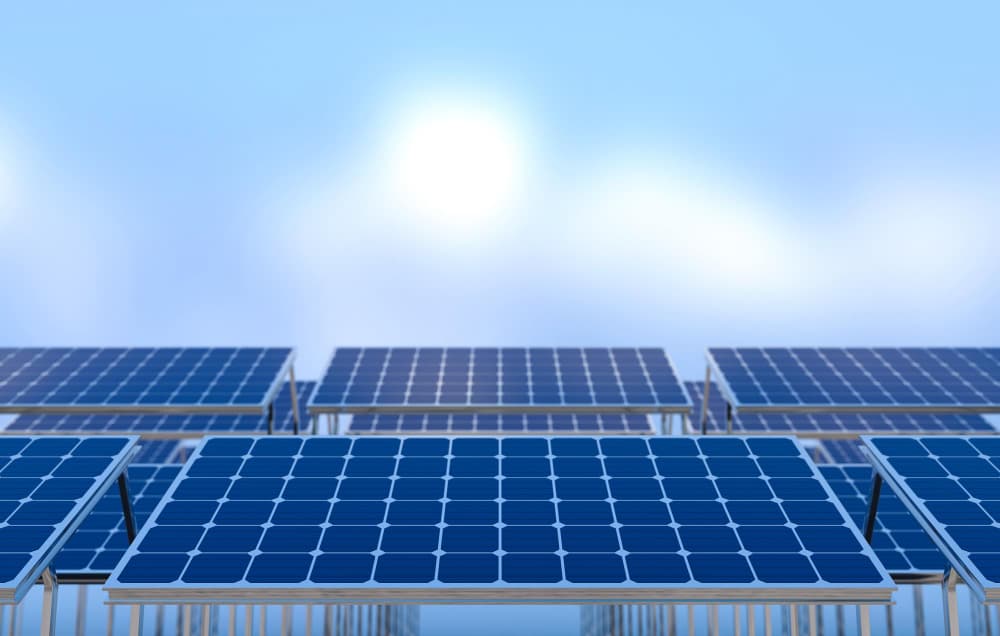
Rooftop solar PV systems are power generation systems that can be installed on various structures such as residential houses, office buildings, factories, and even car park roofs. These systems generate electricity by converting sunlight into electricity using photovoltaic cells. The produced electricity can be used directly, reducing the reliance on the electrical grid. This not only provides a sustainable and renewable source of energy but also contributes to energy independence and reduces electricity costs.
Micro Wind Turbines
Micro wind turbines, also known as small or home wind turbines, are significantly smaller than the turbines seen on wind farms. While larger turbines can have a blade diameter equivalent to a football field, micro wind turbines typically have a diameter of up to 10 meters. Due to their smaller blades, these turbines produce less power compared to larger ones. However, their smaller power output makes them ideal for projects with lower electricity requirements, such as residential homes, portable setups, or off-grid applications.
Conclusion
In conclusion, the global urgency to transition from fossil fuels to renewable energy is evident, despite current subsidies in the fossil fuel sector. This shift entails substantial investment but offers the promise of long-term financial savings and diminished climate impacts. Central to this transition are innovative technologies such as wastewater energy recovery and floating solar panels, which not only generate renewable energy but also contribute to waste management and greenhouse gas reduction. The goal of achieving net-zero emissions by 2050 hinges on the widespread adoption and enhancement of these systems.