
Green Infrastructure Supports Urban Climate Adaptation
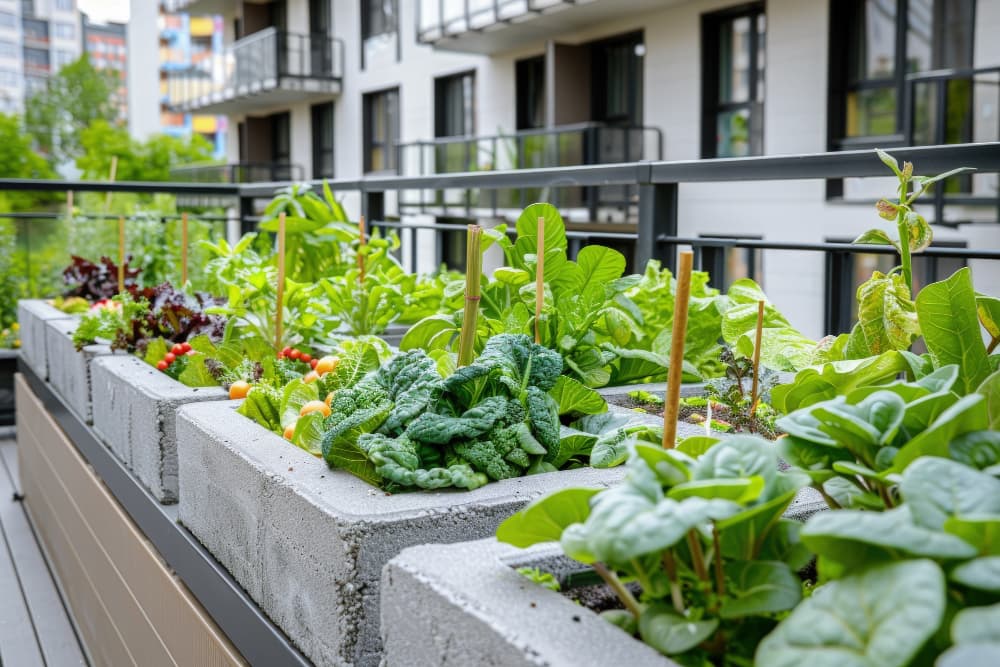
Urban green infrastructure reduces urban heat island effects, improves air quality, and manages stormwater. These multifunctional spaces are essential assets in climate adaptation strategies and are increasingly supported by technical interventions and policy frameworks that enhance resilience.
Stormwater Harvesting Systems Reduce Potable Water Demand
Stormwater harvesting systems collect, treat, and store urban runoff for reuse in irrigation and other non-potable applications. These systems reduce reliance on potable water, ease demand on municipal supplies, and support climate-responsive water management strategies.
Biofiltration Systems Improve Stormwater Quality Before Reuse
Biofiltration systems use engineered soil media and native vegetation to remove nutrients and pollutants from stormwater. These systems improve water quality by reducing nitrogen, phosphorus, sediment, and heavy metals, making treated water suitable for reuse in green spaces.
Water Recycling Projects Benefit from Government Policy Support
Urban water recycling initiatives are often supported through national sustainability strategies, such as Australia’s Water for the Future initiative. Public funding programs help accelerate implementation by reducing capital costs and encouraging co-investment in environmentally beneficial infrastructure.
Planning and Heritage Regulations Shape Urban Water Projects
Regulatory frameworks, including heritage protection and environmental permitting, influence the design and implementation of water reuse projects. Site-specific constraints require multidisciplinary planning to ensure compliance, minimize disruption, and maintain the cultural and ecological integrity of green spaces.
Multi-Sectoral Collaboration Enhances Project Delivery
Successful urban water reuse projects rely on coordinated input from engineers, landscape architects, environmental scientists, and heritage specialists. A collaborative approach ensures comprehensive planning, innovative design solutions, and alignment with broader sustainability and governance objectives.
Fitzroy Gardens Stormwater Harvesting System: Urban Water Reuse for Sustainable Irrigation
The Fitzroy Gardens Stormwater Harvesting System is a large-scale urban water reuse initiative managed by the City of Melbourne. The project was implemented to reduce reliance on potable water for irrigation in Fitzroy Gardens, a 26-hectare heritage-listed public park. The system captures runoff from a 67-hectare catchment area, treating and storing up to 70 million litres of stormwater annually for use during dry periods.
The stormwater harvesting system was funded in part through the Australian Government’s Water for the Future initiative, with $4.8 million allocated to the broader Eastern Melbourne Parks and Gardens scheme. Fitzroy Gardens received $4.2 million, with additional project funding supported by the City of Melbourne. The funding mechanism supported the integration of sustainable water management practices into heritage landscapes, with no specific eligibility criteria beyond alignment with government priorities for alternative water sourcing.
The system includes technical components such as a gross pollutant trap, sedimentation chamber, biofiltration bed, dual underground storage tanks, and UV disinfection. Treated stormwater replaces approximately 59% of the park’s irrigation demand and contributes toward the City of Melbourne’s goal to source 30% of municipal water from alternative sources. The system also reduces pollutants entering the Yarra River and Port Phillip Bay and enhances urban climate resilience through secure non-potable water supply.
Conclusion: Stormwater Harvesting for Sustainable Urban Irrigation
Stormwater harvesting systems support urban sustainability by reducing potable water use, improving runoff quality, and enhancing climate resilience. Implementing technical solutions such as biofiltration and reuse infrastructure in green spaces enables cities to meet environmental targets while maintaining livable, functional landscapes. Public investment and regulatory alignment are essential for scaling these sustainable water management practices across urban areas.