
Role of Nature-Based Solutions in Urban Resilience
Nature-based solutions, such as green spaces and urban forests, offer a sustainable path to enhance urban resilience amidst climate change and urbanization. They mitigate climate impacts, improve air quality, manage stormwater, and reduce heat island effects. These solutions promote biodiversity, mental health, and community well-being within cities, aid in watershed management and wildfire management around cities, and influence procurement decisions beyond city limits. Their diverse forms and functions make them pivotal in our fight against climate change.
Open Green Spaces
Open green spaces, ranging from neighbourhood gardens to large city parks, help cities adapt to climate change by cooling the air, providing shade, and offsetting the urban heat island effect. These spaces also manage stormwater, reducing sewerage system load and contributing to urban flood risk management. Furthermore, accessible green spaces enhance the quality of life and public health by attracting social and physical activity. They also serve as critical refuges for biodiversity in urban contexts.
Green Roofs
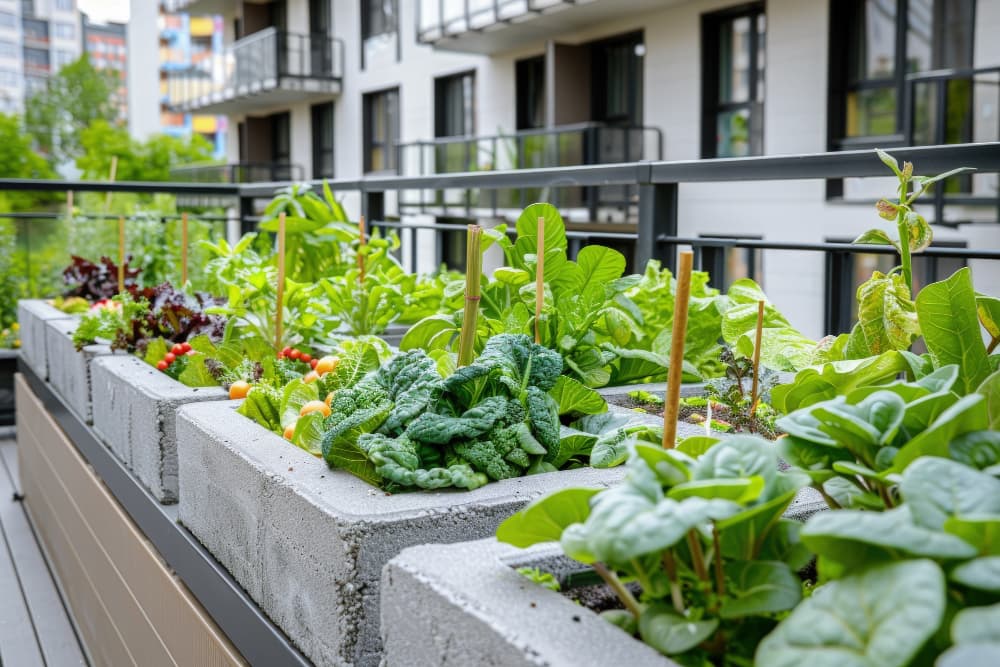
Green roofs, both extensive and intensive, are nature-based solutions that contribute to sustainable urban development. Extensive green roofs, typically inaccessible to the public, consist of drought-resistant plants and multiple layers for water management and insulation. On the other hand, intensive green roofs have a thicker substrate layer supporting a variety of vegetation and provide amenities for building residents, such as opportunities for gardening and socializing.
Bioretention Areas
Bioretention areas, as nature-based solutions, significantly contribute to urban resilience. These shallow vegetated depressions enhance traditional stormwater and sewerage infrastructure by intercepting, infiltrating, and treating stormwater flow. Particularly beneficial in cities with combined sewerage systems or limited pervious surfaces, well-designed bioretention areas increase the capacity of stormwater management systems.
Urban Forests
Urban forests within cities or at the rural-urban interface are resilient ecosystems that adapt to adversity. They mitigate the urban heat island effect, improve air quality, manage stormwater, and protect rivers. By sequestering carbon and regulating water cycles, urban forests contribute to urban societies' well-being and enhance city resilience.
Green Corridors
Green corridors are vital urban landscape components, connecting green spaces and forming a green urban infrastructure network. They protect natural habitats and facilitate biota movement. In fragmented landscapes, more green corridors can reduce flood risks and lessen drainage system load, enhancing urban resilience.
River and Floodplain Restoration Projects
Historically, urban development along rivers led to increased flooding. Traditional floodplain alterations often worsened downstream flooding. With climate change awareness, cities are investing in river and floodplain restoration projects, known as "Room for the River," to manage flood risks, improve waterfronts, and enhance urban resilience.
Conclusion
Nature-based solutions are crucial for enhancing urban resilience amid growing global urban populations. These strategies, including green spaces, roofs, and urban forests, address climate change impacts, improve air quality, and support biodiversity. They offer a sustainable, vital pathway for cities to adapt and thrive in the face of environmental and socioeconomic challenges.