Circular Economy Cities: An Emerging Strategy
Circular economy cities offer solutions to these challenges, prioritizing efficient resource use, waste minimization, recycling, and upcycling. This shift from the traditional linear economy model is particularly crucial in developing countries where waste generation and energy demand are escalating rapidly. This article explores the principles of circular economy cities and their role in combating climate change and provides a case study of Nordhavn, a beacon for sustainable urban innovation.
Principles of Circular Economy Cities
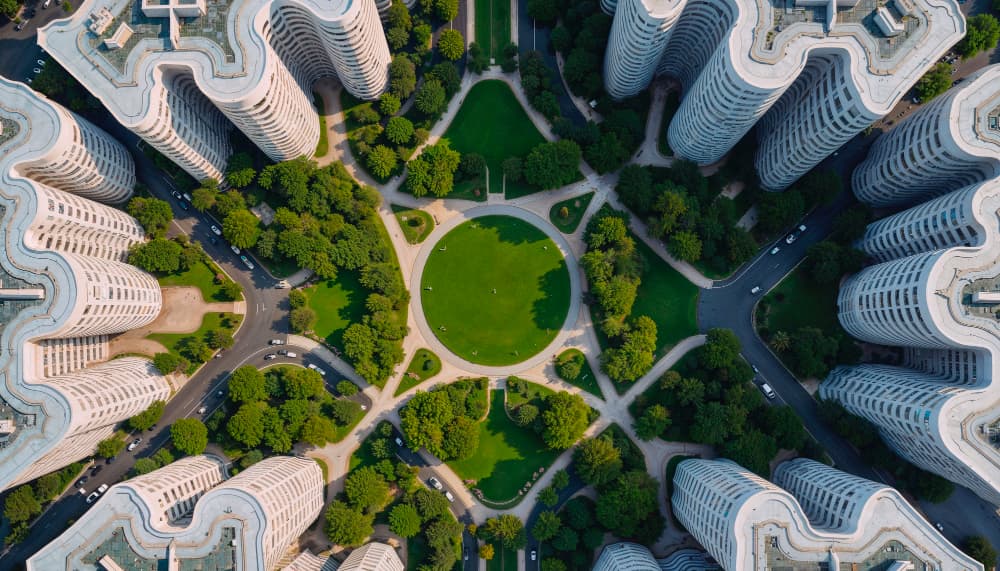
Circular economy cities are urban areas that have fully embraced the principles of the circular economy. They operate within networks designed to eliminate waste, circulate products and materials, and regenerate nature. This involves collaboration between various stakeholders and is powered by renewable energy. In these cities, everything from products to infrastructure is designed to be durable, adaptable, and easy to maintain. They prioritize recycling and upcycling, resulting in a thriving local economy that provides a vibrant and resilient way of life.
Mitigating Climate Change through Circular Economy Cities
Circular economy cities are pivotal in mitigating climate change by transforming resource use and waste management. They prioritize efficient resource use, waste minimization, recycling, and upcycling, reducing greenhouse gas emissions. Many have implemented waste-to-energy facilities (WtE) that convert waste into electricity or heat, reducing fossil fuel reliance. They promote low-carbon mobility options and energy-efficient buildings, reducing energy consumption and waste. By adopting these strategies, circular economy cities can significantly reduce their ecological footprint and create sustainable living environments.
Nordhavn: A Case Study of a Circular Economy City
Nordhavn, once an industrial harbor in Copenhagen, Denmark, is a leading example of a circular economy city initiative. This district, transforming into a sustainable, mixed-use area, will accommodate 40,000 residents and 40,000 jobs by 2060. This transformation supports urban growth while minimizing environmental impact.
A standout feature of Nordhavn's approach is its Wt
E facility. This facility innovatively converts waste into electricity or heat, reducing reliance on fossil fuels and lowering greenhouse gas emissions. Nordhavn's commitment to sustainable living extends beyond WtE:
- Green Transportation: The district promotes low-carbon mobility options like cycling, walking, and public transportation.
- Energy-Efficient Buildings: New constructions adhere to strict energy efficiency standards, utilizing materials and technologies that lower energy consumption and minimize waste.
- Urban Green Spaces: Parks, waterfront areas, and green roofs provide access to nature, support local biodiversity, and foster community well-being.
- Climate Resilience: Urban design incorporates measures to cope with the effects of climate change, such as flood-resistant infrastructure and sustainable stormwater management systems.
- Circular Economy Principles: Nordhavn prioritizes waste reduction, recycling, and upcycling initiatives to minimize resource consumption.
Conclusion: The Future of Urban Living and Resource Management
Circular economy cities are transforming how we approach urban living and resource management. These cities play a pivotal role in combating climate change by prioritizing efficient resource use, waste minimization, recycling, and upcycling. The transformation of cities like Nordhavn serves as a beacon of sustainable urban innovation, showing us that a more sustainable future is possible and beneficial for both urban growth and the environment. As we move towards a future dominated by urban living, the shift to circular economy cities becomes not just an option but a necessity. Let's champion this transition and contribute to the fight against climate change.