
Nature-Based Solutions for Urban Development
Nature-based solutions, such as green roofs, community gardens, renaturalized brownfields, and urban agriculture, offer a cost-effective and sustainable approach to urban development. These solutions leverage ecosystem services to counter climate risks, contribute to global climate goals, and protect vulnerable populations. They also provide co-benefits such as improved health, food and water security, cleaner air, and reduced risks from extreme heat and flooding. As we move towards a future where an estimated 75% of the world's population will live in cities by 2050, implementing these nature-based solutions becomes increasingly vital.
Green Roofs
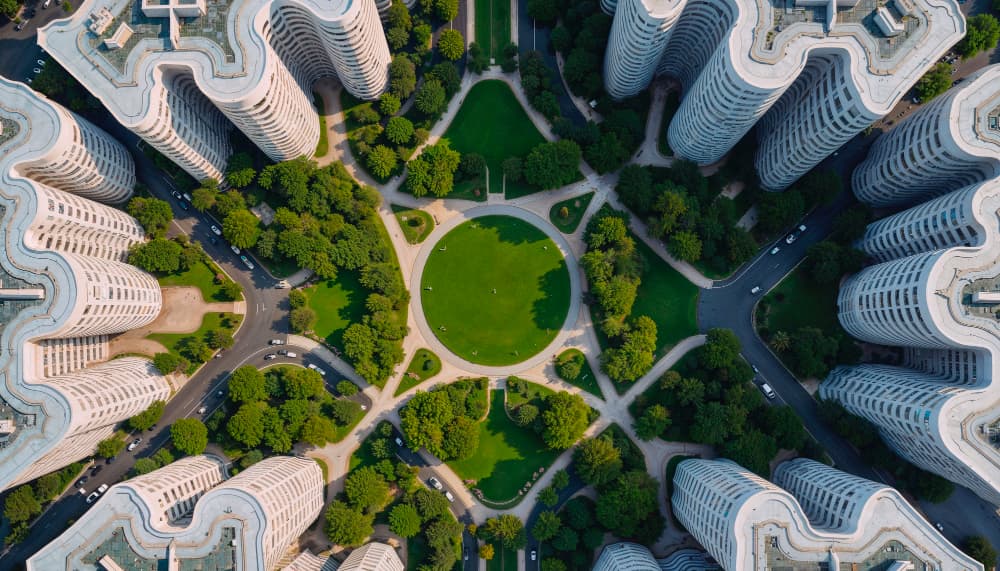
Green roofs, a nature-based solution, contribute to net-zero, nature-positive cities. They come in two types: extensive (low maintenance) and intensive (like conventional gardens). They offer benefits such as beautifying urban areas, managing waste, moderating urban heat, improving air quality, creating spaces, and generating jobs. They also increase energy efficiency and enhance roof durability.
Community Gardens
Community gardens, cultivated by residents, enhance environmental health and urban sustainability. They improve air and soil quality, increase biodiversity, and reduce food transportation costs. They also address nutrition and obesity issues by providing fresh foods and promoting physical activity. Furthermore, they foster social ties, reduce crime, and create economic opportunities.
Renaturalized Brownfields
Renaturalizing brownfields and previously industrial sites is a crucial nature-based solution. This process treats polluted areas, restores habitats, and increases biodiversity. It promotes urban intensification, reduces risks from derelict buildings, and preserves landmarks. It also beautifies landscapes, revives communities, increases property values, and reduces urban sprawl, contributing to climate-resilient, nature-positive cities.
Urban Agriculture
Urban agriculture, a nature-based solution, mitigates climate change by combating the heat island effect and reducing greenhouse gases. It transforms underutilized spaces into productive urban farms, promoting sustainability and biodiversity. It also counters food insecurity, promotes healthy eating habits, and educates communities about food production. Thus, it plays a pivotal role in developing climate-resilient, nature-positive cities.
Conclusion
In conclusion, integrating nature-based solutions into urban planning is essential for sustainable, resilient cities. From green roofs mitigating urban heat to community gardens fostering social cohesion, each measure brings us closer to net-zero, nature-positive urban environments. With an increasing urban population, adopting these strategies is critical. They mitigate climate change effects, enhance biodiversity, and improve urban residents' quality of life. This green transition requires collective action and innovation across all sectors, paving the way for a more sustainable and equitable world.