
Why Coral Reefs Matter: More than Just Beauty
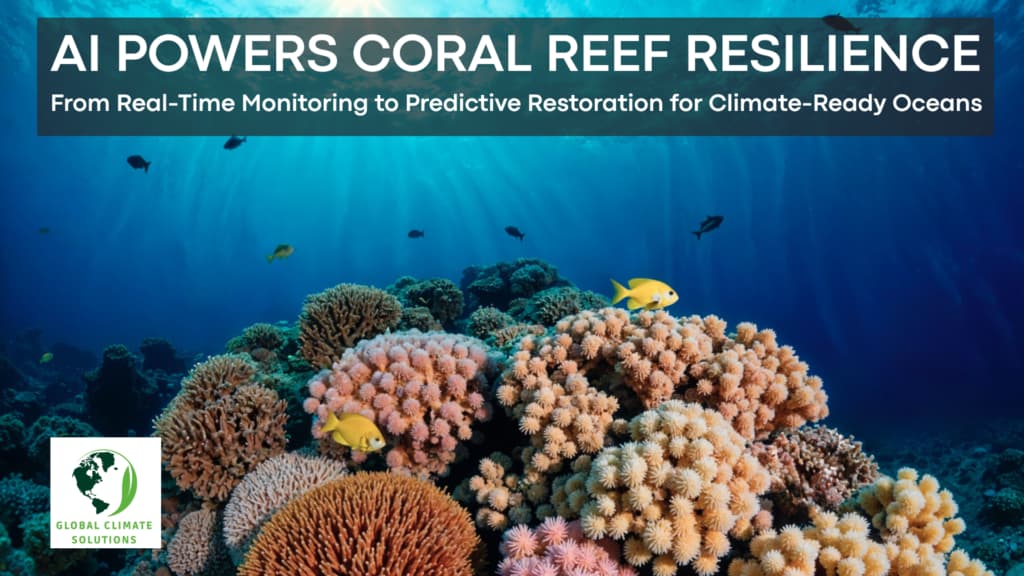
Coral reefs are ecological powerhouses, offering far more than awe-inspiring underwater scenery. These structures protect approximately 71,000 kilometres of coastline worldwide by mitigating up to 97% of wave energy. Their significance will only escalate as climate change intensifies storm events and flooding risks.
The Crisis: Climate Change and its Multi-Faceted Impact
Climate change is degrading coral reefs. Increasing temperatures are causing frequent mass coral bleaching events, and ocean acidification—stemming from atmospheric CO2 absorption—is weakening the very foundation of these ecosystems. Left unchecked, the loss of reefs could cost humanity upwards of $500 billion per year by 2100.
The Role of Marine Protected Areas: A Step Towards Resilience
Marine Protected Areas (MPAs) serve as more than just environmental safeguards; they are also socio-economic assets. They can potentially strengthen coastal communities by restoring reef functions that help mitigate natural disasters. Furthermore, they can enhance fisheries by fostering robust, biodiverse ecosystems. MPAs also play a crucial role in boosting climate resilience as a buffer against changing environmental conditions. Therefore, the benefits and commitments needed for these areas extend beyond environmental protection, reaching into the socio-economic sphere as well.
Coral Restoration Innovations
While MPAs offer one layer of protection, innovative techniques add new dimensions to our efforts. From the direct transplantation of resilient corals to coral gardening and artificial reefs, these methods provide hope for the future of our oceans. Advanced techniques like manipulating the ocean floor substrate and promoting coral larval propagation allow us to facilitate reef recovery actively. The key is to integrate these scientific breakthroughs into a global strategy, making them actionable items on the COP28 agenda for safeguarding our coral ecosystems.
Call to Action
Immediate and aggressive action grounded in science is needed to avert the catastrophic collapse of these ecosystems. As we debate climate strategies and adaptation frameworks, let us also cement actionable commitments to protect and restore coral reefs for the sake of biodiversity, human livelihoods, and our planet's future.