
Nature-Based Solutions
Restoring Coastal Ecosystems for Ocean Resilience: Lessons From Dutch Seagrass
Two coastal waters in the Dutch Southwestern Delta show how a single restoration program can make different choices for different sites.

Healthy marine systems and resilient coastal economies. Explore 14 published GCS insights and 3 books.
Two coastal waters in the Dutch Southwestern Delta show how a single restoration program can make different choices for different sites.
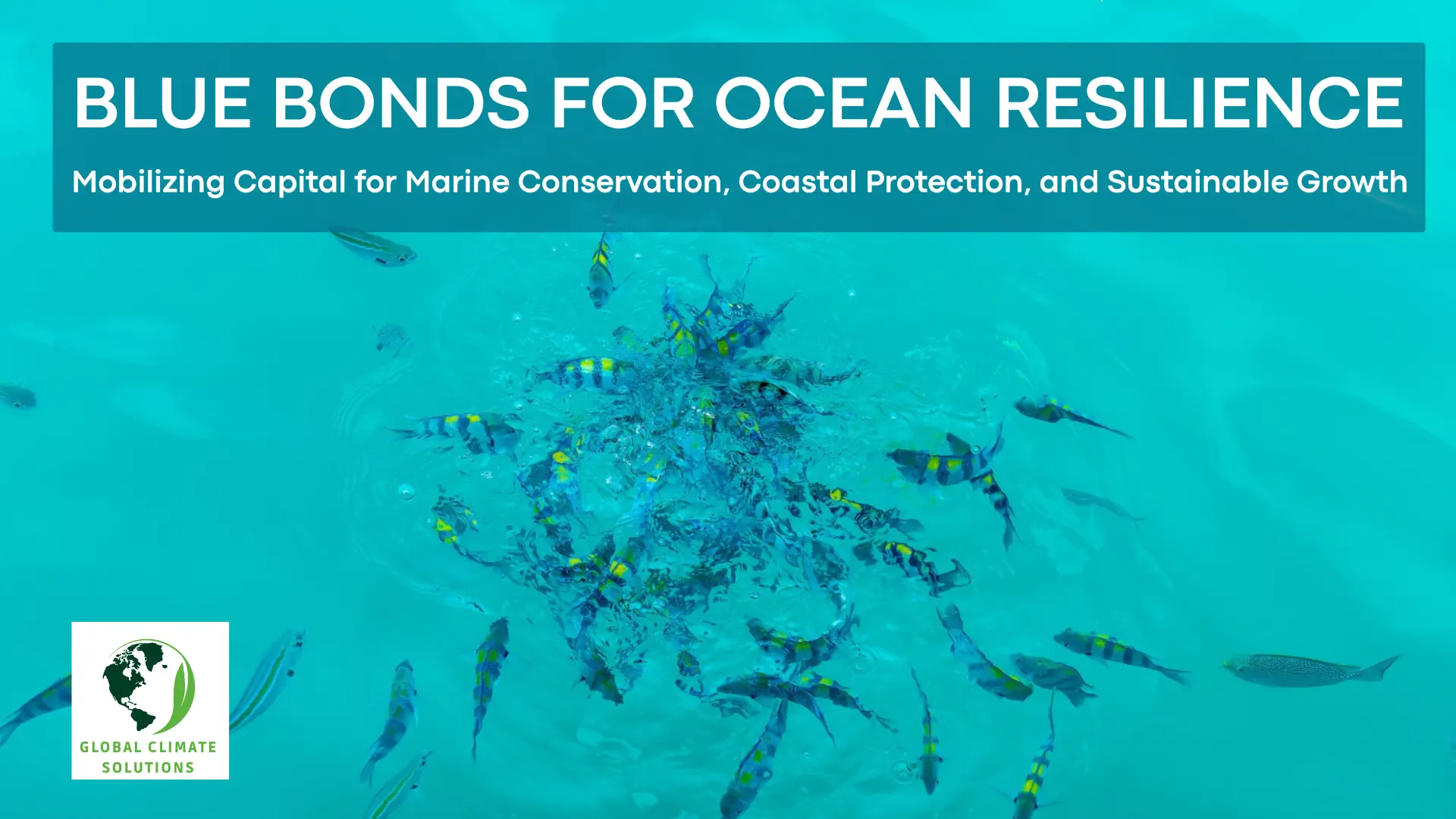
Blue bonds channel capital into marine conservation, coastal resilience, sustainable infrastructure, and ocean economies through targeted climate-smart finance.
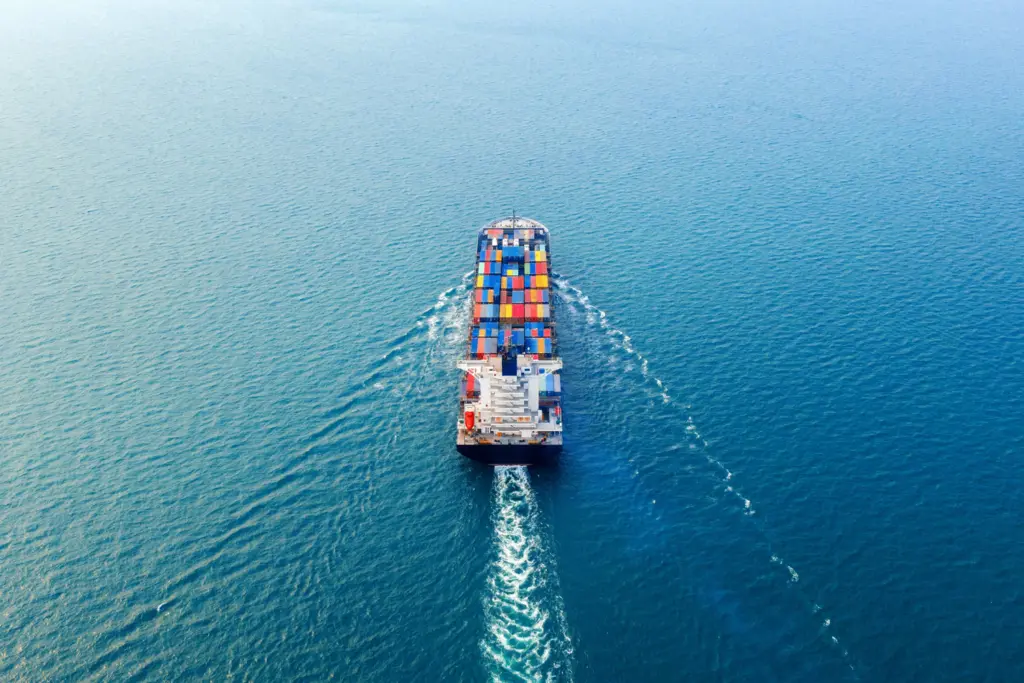
Explore how the Singapore–Australia Green and Digital Shipping Corridor accelerates maritime decarbonization and port digitalization.

Blue bonds mobilize long-term capital for coastal resilience by pooling risk, standardizing reporting, and aligning finance with ocean protection goals.
Explore how seaweed biofuels enable low-carbon energy transitions by delivering scalable, land-free bioenergy within the blue economy.
Discover how blue economy strategies and mangrove restoration strengthen coastal resilience, support livelihoods, and align urban growth with ecosystem protection.
The Blue Economy refers to the sustainable use of ocean resources for economic growth, improved livelihoods, and healthy marine ecosystems.
💡 Discover how Seychelles’ pioneering Sovereign Blue Bond—supported by the World Bank and GEF—mobilized global investors to fund sustainable fisheries, marine protection, and community resilience.
Coastal ecosystems play a vital role in addressing global climate challenges. Blue carbon refers to carbon stored in marine and coastal environments, such as mangroves, seagrasses, and salt marshes, which capture and store carbon more efficiently than most.
The ocean floor is a significant yet often underappreciated component of Earth's carbon cycle.
Blue carbon ecosystems, including salt marshes, mangroves, and seagrass meadows, are vital in the fight against climate change.
As the world convenes for COP28, one ecosystem demands immediate and collective action: our coral reefs.
"Blue Planet," "Blue Lung," and "Blue Carbon" aren't just poetic; they underscore the ocean's vital role, covering 71% of Earth, providing over half our oxygen, and storing immense carbon.
The Global Biodiversity Framework's 30x30 target is a significant point of discussion among environmental policymakers.