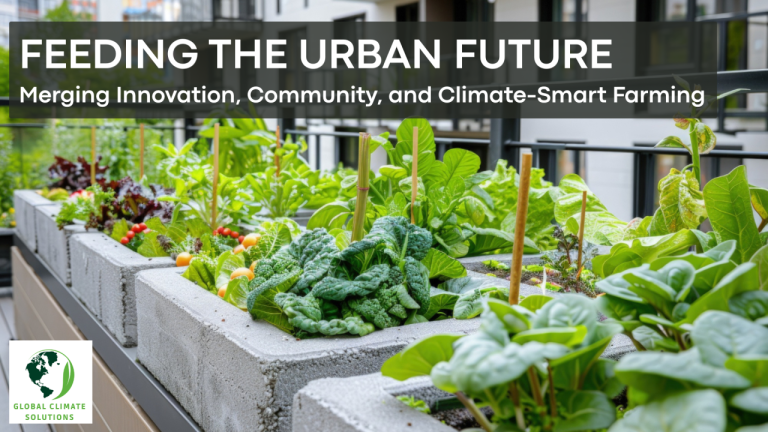
Urban agriculture is emerging as a strategy to address food security, urban heat, stormwater management, and biodiversity loss in densely developed areas. Rooftop farms and vertical growing systems can convert underutilized spaces into productive landscapes that support climate resilience and sustainability objectives. As cities seek nature-based solutions, urban agriculture is increasingly relevant to planning and environmental policy. Examine how Melbourne Skyfarm demonstrates the integration of rooftop and vertical farming into global climate action.
Rooftop Agriculture Systems
Rooftop agriculture converts unused building surfaces into productive green infrastructure. These systems support food production while reducing the environmental impacts associated with highly impervious urban landscapes. Vegetation on rooftops can lower surface temperatures through shading and evapotranspiration, which contributes to urban cooling. Rooftop farms can also capture and retain rainfall, reducing stormwater runoff and pressure on drainage systems.
Vertical Farming Systems
Vertical farming systems use stacked growing arrangements and vertical surfaces to increase production within limited urban areas. These systems enable cities to expand green space where land availability is constrained. Vertical cultivation can support higher planting densities and increase vegetation coverage on buildings. The approach also creates opportunities to integrate food production with environmental functions such as cooling, habitat creation, and water management.
Circular Resource Management
Urban agriculture systems increasingly incorporate circular resource principles. Water harvesting and storage systems can redirect rainfall to support plant growth and reduce potable water demand. Recycled and locally sourced materials can lower resource consumption and decrease waste generation. The integration of circular practices strengthens the environmental performance of urban agriculture projects and supports broader sustainability goals.
Community and Educational Functions
Urban agriculture provides social and educational benefits alongside environmental outcomes. Rooftop and vertical farms can serve as demonstration sites where residents, students, and organizations learn about food systems and sustainability practices. Community participation in food production can strengthen social connections and improve awareness of environmental challenges. Multifunctional urban agriculture projects therefore contribute to both physical resilience and community capacity building.
Case Study: Melbourne Skyfarm
Melbourne Skyfarm is a collaboration between Melbourne-based sustainability companies that is transforming the rooftop of a 2,000-square-meter multi-story car park on Siddeley Street in Docklands into an urban farm and environmental space. As part of the City of Melbourne’s first round of Urban Forest Fund grants in 2017, the project received a $300,000 matched-funding grant to establish the urban farm component. In 2024, it received an additional $400,000 matched-funding grant to expand productive growing areas.
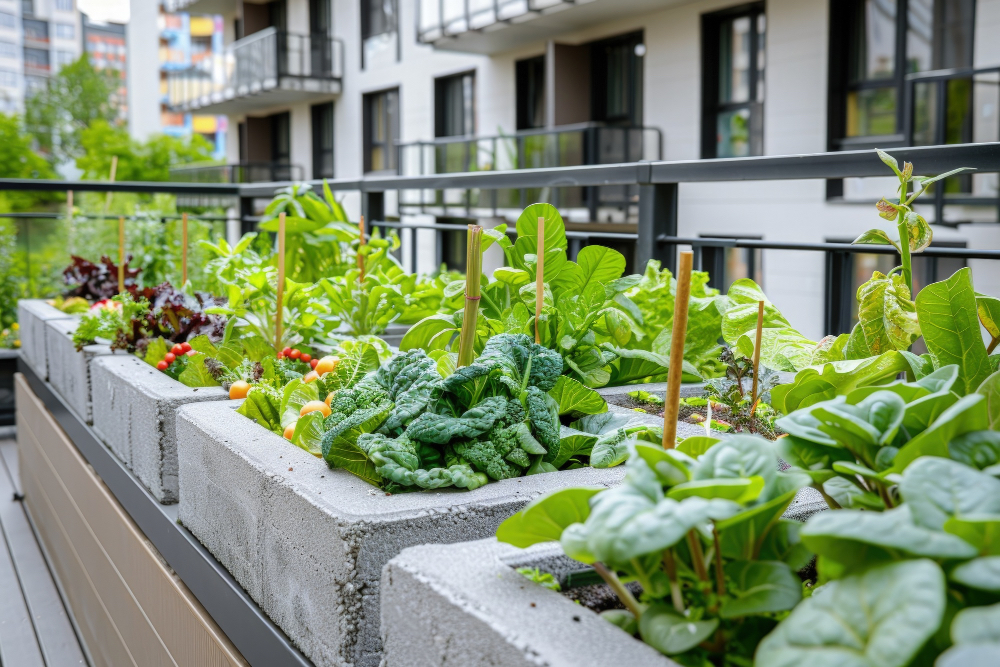
The project operates through several implementation mechanisms. Containerized garden beds support the cultivation of vegetables, fruits, herbs, and trees. When complete, the growing areas will cover up to 800 square meters, combining horizontal and vertical greenery. Specially designed wicking modules incorporate water storage, aeration vents, and capillary watering systems, while trellises support climbing plants and maximize vertical greening opportunities.
The project also integrates environmental performance objectives. With 800 square meters of new green area, the site is estimated to evaporate an average of 3,200 liters of water each day and up to 9,600 liters during peak summer periods. The rooftop captures stormwater for plant growth and reduces pollutant runoff to nearby rivers. The installed growing modules are manufactured locally from 80 percent recycled food-grade plastic, supporting circular economy objectives.
Institutional and community mechanisms further support implementation. Project delivery required partnership approval from the building owner, an eight-year rooftop lease, technical design preparation, planning approvals, and grant funding. Large sections of the gardens are dedicated to generating an annual surplus of vegetables for food charity OzHarvest, while schools, universities, and visitors can access educational and community activities.
Conclusion
Rooftop and vertical urban agriculture demonstrate how cities can combine food production with environmental management and community development. By integrating green infrastructure into existing urban spaces, these systems can support climate resilience, resource efficiency, and broader sustainability objectives within rapidly urbanizing environments.
Circular Economy and Liveable Cities (Cambridge University Press)
The Circular Economy and Liveable Cities, edited by Robert C. Brears, Our Future Water, has been published. This essential guide delivers actionable strategies and best practices for implementing circular economy, climate resilience, and sustainability in urban environments, with global examples from leading cities like Tokyo, New York, and Singapore to help planners, policymakers, and researchers build liveable and sustainable cities for the future.
2nd Edition of Nature-Based Solutions to 21st Century Challenges (Routledge)
Fully revised and updated, the second edition of Nature-Based Solutions to 21st Century Challenges by Robert C. Brears offers a timely and systematic review of how working with nature can address today’s most pressing environmental and societal issues. Featuring new case studies from across the globe, expanded insights on public policy, AI, and community-led initiatives, this edition is essential reading for anyone shaping a sustainable future.
Shape the Future of Sustainability: Contribute to Springer Nature’s Landmark Publications
As Editor-in-Chief, Robert C. Brears invites experts, researchers, and practitioners to contribute to impactful and forward-thinking publications from Springer Nature. These comprehensive Handbooks and Encyclopedias explore Nature-Based Solutions, sustainable resource management, ecosystem well-being, and the global energy transition.
- Palgrave Handbook of Nature-Based Solutions
- Palgrave Encyclopedia of Sustainable Resources and Ecosystem Resilience
- Palgrave Handbook of Energy Transition and Renewable Energy
- Palgrave Handbook of Urban Climate and Disaster Resilience
- Palgrave Handbook of Social Transformations in Science, Innovation, and Education
Shape the Future of Climate Resilience: Contribute to Palgrave’s Pivot Series
As Series Editor, Robert C. Brears invites experts to contribute to Palgrave Studies in Climate Resilient Societies, a leading Pivot series (25,000–50,000 words) exploring climate resilience, policy innovation, and sustainability strategies.
For more details, visit: Seeking Authors — Palgrave Studies in Climate Resilient Societies