Local-government leaders and climate teams
Officials aligning climate priorities with institutional mandates, public decisions, and continuing delivery.

Planning, Governance, and Finance for Resilient Communities
ISBN 978-1-991367-14-3 · Global Climate Solutions · First EditionFloods, heat, and drought become recurring crises when public responsibilities, essential services, and investment decisions fail to keep pace with changing risks. How can local institutions turn adaptation commitments into lasting protection?
Written for local leaders, planners, infrastructure managers, and community practitioners, Local Climate Adaptation connects risk assessment with governance, finance, and delivery. It offers a structured approach to difficult choices about land, housing, water, ecosystems, public health, and interconnected services.
Explore how unequal vulnerability changes priorities, how participation can influence decisions, and how appraisal, budgets, procurement, and maintenance shape results. Examine service dependencies and residual risk alongside the distribution of benefits, costs, and responsibilities across people and places.
The book also explains how monitoring, learning, decision triggers, and flexible pathways help institutions revise action as conditions change. Use its analytical framework to clarify trade-offs, retain future options, and make adaptation an accountable public responsibility beyond individual projects.
Assess local climate hazards, unequal vulnerability, adaptive capacity, and dependencies across essential systems.
Assign adaptation responsibilities and connect participation, multilevel coordination, and public accountability.
Integrate land use, housing, water management, infrastructure continuity, and nature-based measures into local planning.
Evaluate affordability, health, relocation, livelihood security, and the distribution of adaptation benefits and burdens.
Connect investment appraisal to local budgets, intergovernmental support, procurement, maintenance, and delivery.
Build decision-focused evidence, monitoring indicators, learning processes, and flexible adaptation pathways.
Why Local Adaptation Determines Climate Resilience
Understanding Local Climate Risk and Adaptive Capacity
Governing Adaptation Across Institutions and Scales
Planning Land, Water, and Settlements for a Changing Climate
Adapting Essential Infrastructure and Public Services
Using Nature and the Built Environment to Reduce Risk
Centering Equity, Health, and Social Protection
Financing and Delivering Local Adaptation
Building Local Evidence, Learning, and Accountability
Strategic Pathways for Local Climate Adaptation
Making Adaptation a Durable Local Public Responsibility
Officials aligning climate priorities with institutional mandates, public decisions, and continuing delivery.
Professionals managing settlement patterns, tenure, water, ecological space, and development trade-offs.
Teams protecting service continuity across water, energy, transport, digital, health, and emergency systems.
Practitioners connecting adaptation priorities to appraisal, budgeting, funding, procurement, and maintenance.
Readers examining participation, equity, evidence, learning, and accountability in local climate decisions.

Robert C. Brears is the founder and editor-in-chief of Global Climate Solutions. His work connects climate resilience, water security, nature-based solutions, sustainable finance and the transition to more resilient cities and industries.
View author profile →Floods, heat, and drought become recurring crises when public responsibilities, essential services, and investment decisions fail to keep pace with changing risks. How can local institutions turn adaptation commitments into lasting protection?

Agricultural digital twins can connect environmental observations with scenario testing, helping advisers compare options before organizing field trials.
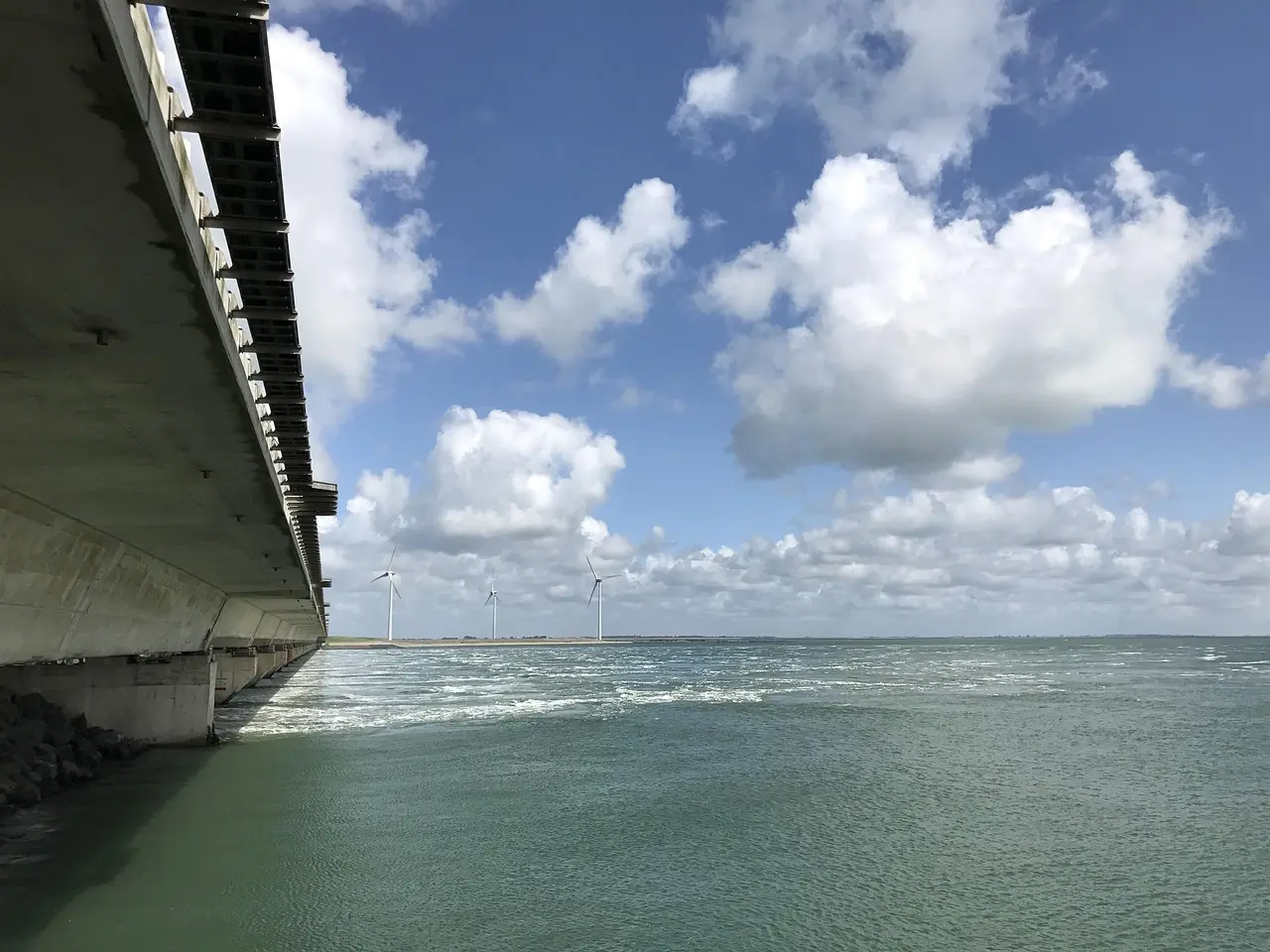
The Netherlands’ new critical-entities law links physical risk reviews with asset inventories, supplier dependencies, climate protection, and service recovery.

Vienna’s 2026 municipal housing handover shows how compact redevelopment can combine short journeys, affordable homes, and shared energy infrastructure.