Book
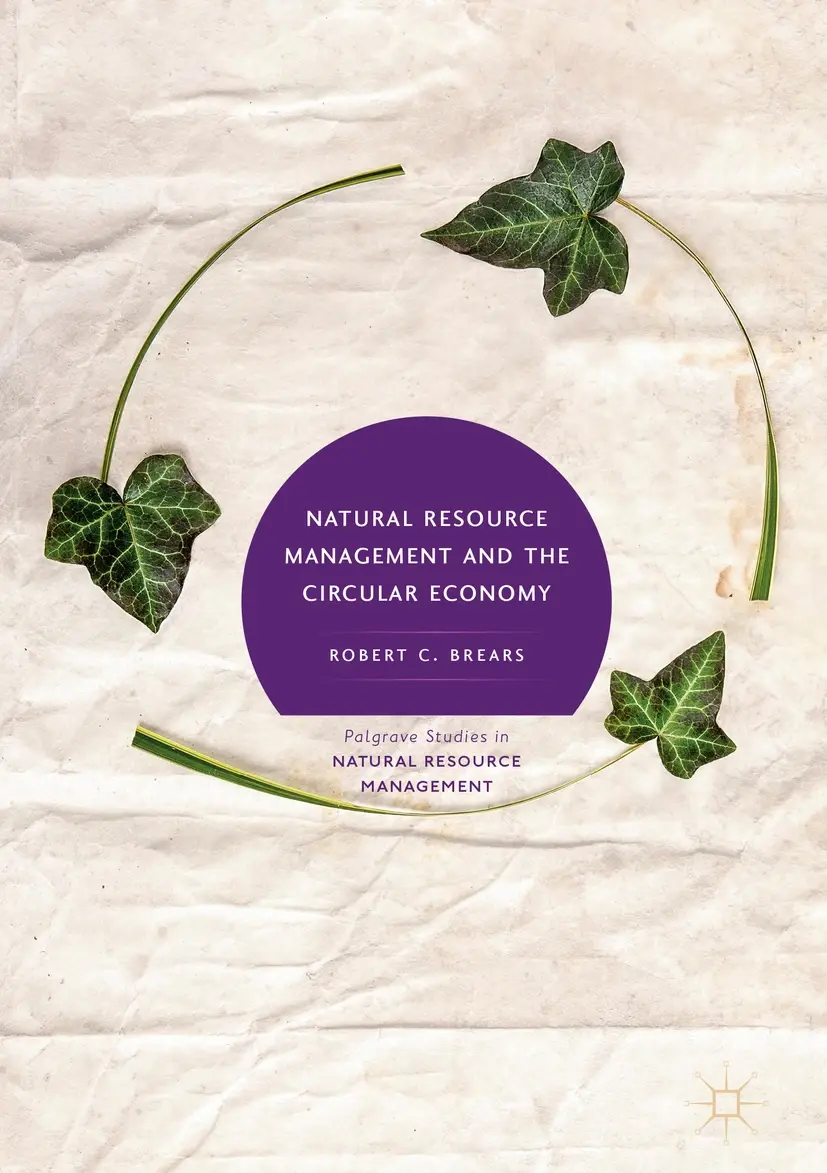
Natural Resource Management and the Circular Economy
ISBN 978-3-319-71888-0 · Palgrave MacmillanKnowledge for practical climate action.
Natural Resource Management and the Circular Economy examines how economies can reduce dependence on the linear cycle of extraction, consumption and disposal. It connects circularity to resource security, environmental protection and the economic risks created by volatile prices and constrained supplies.
The book evaluates fiscal and non-fiscal policy instruments that can encourage efficiency, reuse, recovery and more durable production systems. Comparative cases and best practices show how governments and organisations can combine regulation, incentives and institutional reform rather than treating waste management as the endpoint.
For policymakers, resource managers, businesses, researchers and students, it offers a practical introduction to the choices required to make circular natural-resource management credible and effective.
For readers turning evidence into action.
Practitioners
Researchers and students

Robert C. Brears
Robert C. Brears is the founder and editor-in-chief of Global Climate Solutions. His work connects climate resilience, water security, nature-based solutions, sustainable finance and the transition to more resilient cities and industries.
View author profile →Publication information.
- Publication
- 2018
- Publisher
- Palgrave Macmillan
Explore the subject.
Circular EconomyGreen Growth
Read the book
Natural Resource Management and the Circular Economy
A policy-focused guide to managing natural resources through circular-economy instruments and institutional change.
Related insights
Read next

Climate Finance
How Transition Finance Supports Industrial Decarbonization
Japan’s sovereign transition bonds connect public capital with industrial technology development, infrastructure needs, and transparent reporting.

Nature-Based Solutions
Restoring Coastal Ecosystems for Ocean Resilience: Lessons From Dutch Seagrass
Two coastal waters in the Dutch Southwestern Delta show how a single restoration program can make different choices for different sites.

Climate Finance
How Green Bonds Can Finance Coastal Flood Protection
Singapore’s coastal plans bring tidal drainage, mangrove habitat, and infrastructure financing into a single adaptation decision.
Related books