Handbook
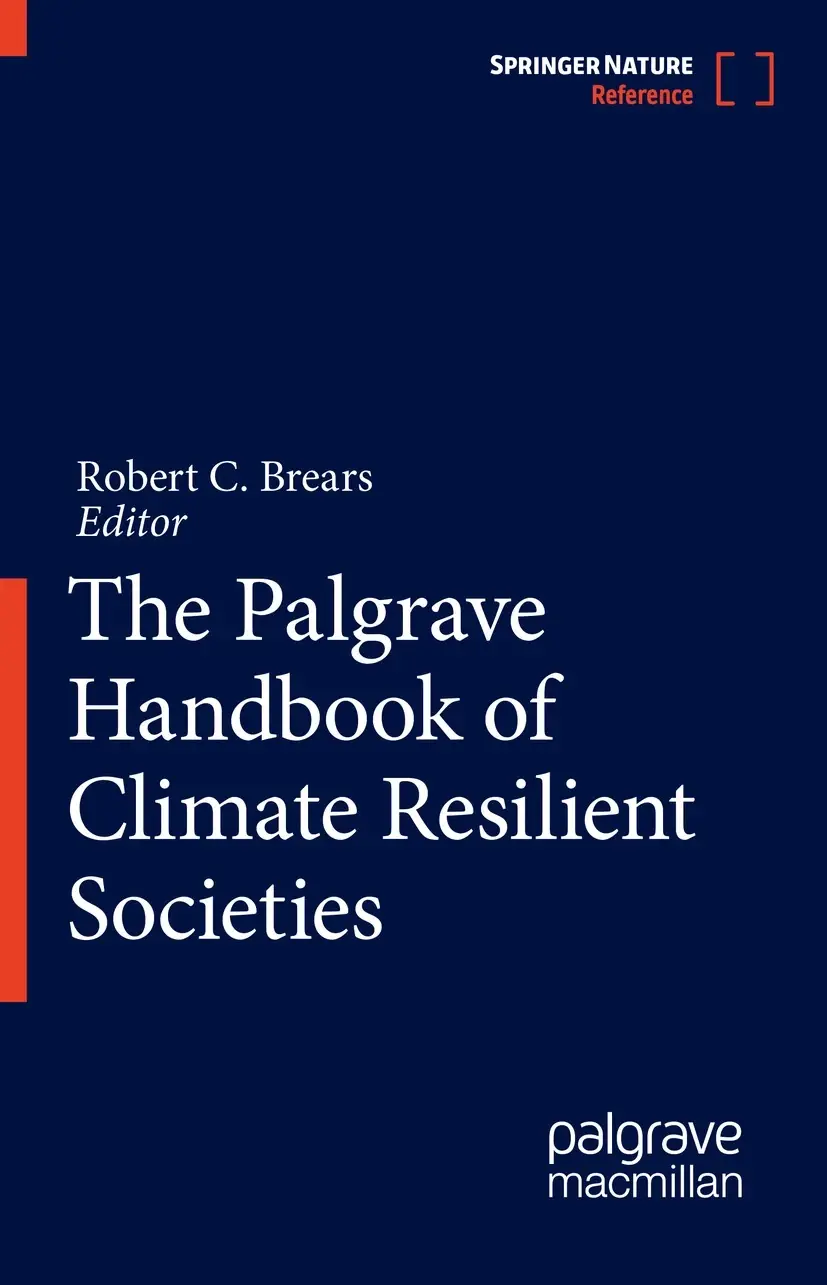
The Palgrave Handbook of Climate Resilient Societies
ISBN 978-3-030-42462-6 · Palgrave MacmillanKnowledge for practical climate action.
The Palgrave Handbook of Climate Resilient Societies brings together global perspectives on how societies can prepare for, absorb and adapt to climate disruption. It treats resilience as a challenge involving people, institutions, infrastructure, economies and ecosystems rather than as a single technical intervention.
Contributors examine climate risks, adaptation strategies, governance, development, community capacity and sector-specific responses across diverse regions. The breadth of the handbook allows readers to compare how resilience is understood and pursued under different environmental, social and institutional conditions.
As a reference for researchers, advanced students, policymakers and practitioners, it connects theory with the practical work of building fairer, more adaptive and durable societies.
For readers turning evidence into action.
Practitioners
Researchers and students

Robert C. Brears
Robert C. Brears is the founder and editor-in-chief of Global Climate Solutions. His work connects climate resilience, water security, nature-based solutions, sustainable finance and the transition to more resilient cities and industries.
View author profile →Publication information.
- Publication
- 2021
- Publisher
- Palgrave Macmillan
Explore the subject.
HandbooksClimate Resilience
Read the book
The Palgrave Handbook of Climate Resilient Societies
A global, interdisciplinary reference on building climate resilience across communities, institutions, sectors and regions.
Related insights
Read next
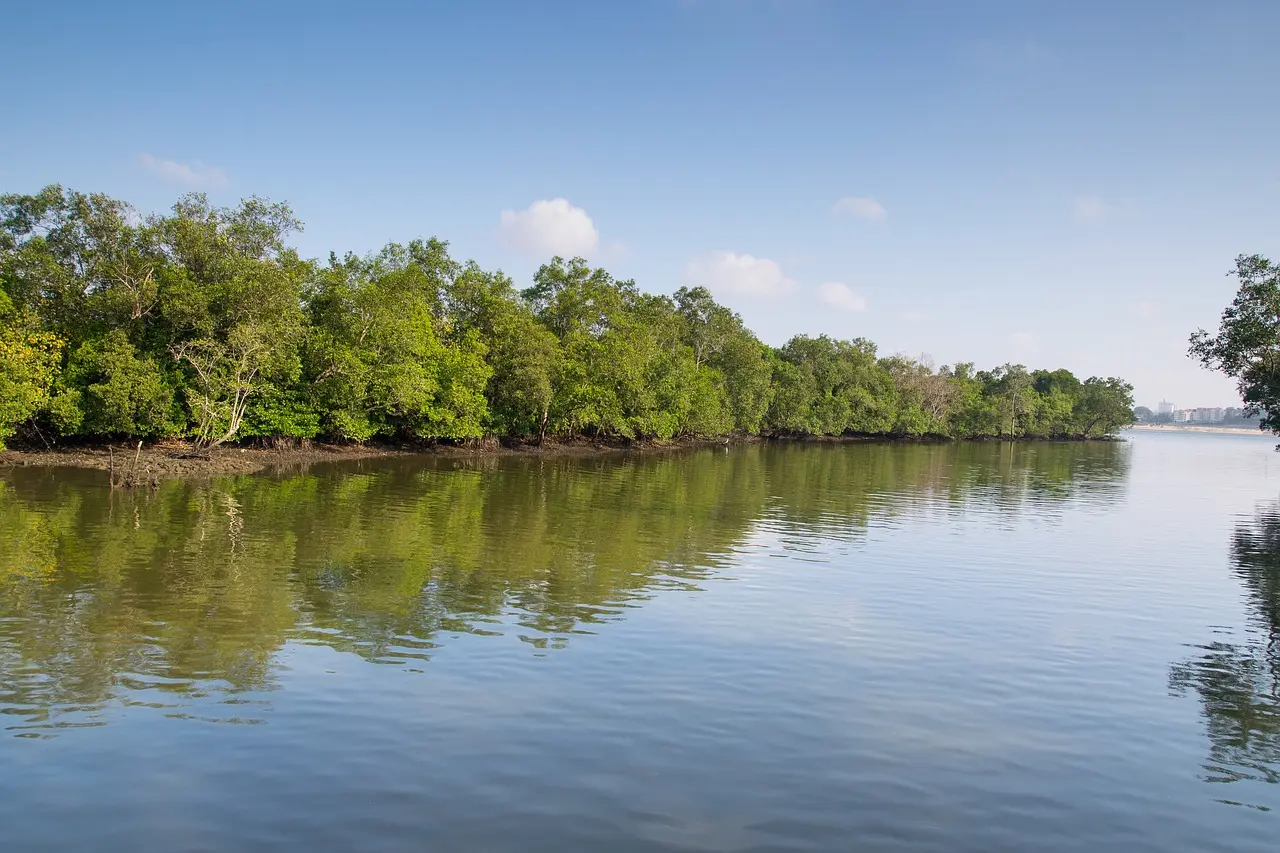
Climate Finance
How Green Bonds Can Finance Coastal Flood Protection
Singapore’s coastal plans bring tidal drainage, mangrove habitat, and infrastructure financing into a single adaptation decision.
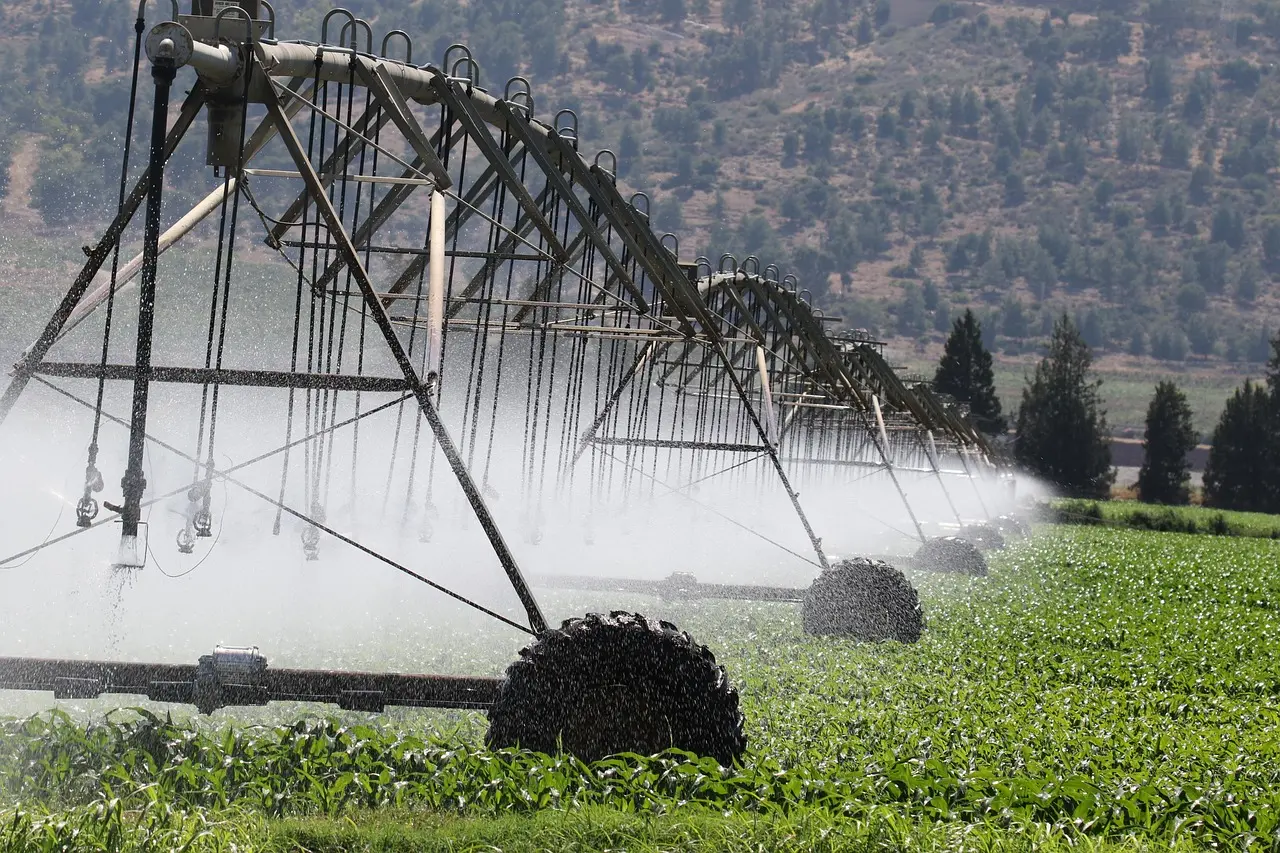
Climate Finance
Private Finance for Climate Adaptation: How Spain Shares Irrigation Costs
A Spanish irrigation project shows how a public funding ceiling and a growers’ contribution can support shared investments in water reliability.
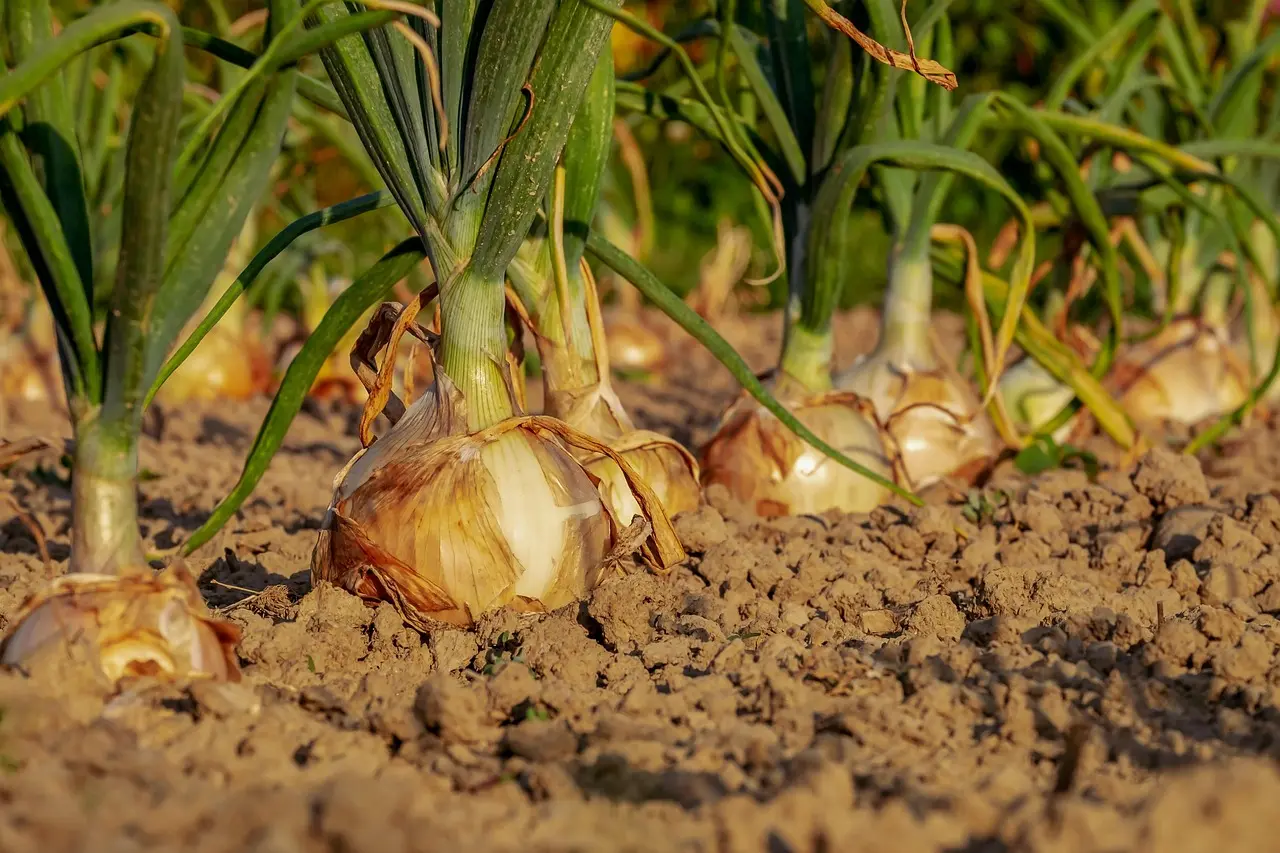
Agriculture & Food
Climate-Resilient Food Systems: Japan’s Approach to Stable Vegetable Supply
Japan connects crop adaptation, supply contracts, storage, and traceability through a national program for stable year-round vegetable supply.
Related books