
Why Biodiversity Conservation Matters for Climate Action
Biodiversity conservation protects the ecological functions that underpin climate resilience, while accountable restoration finance turns policy commitments into measurable recovery.


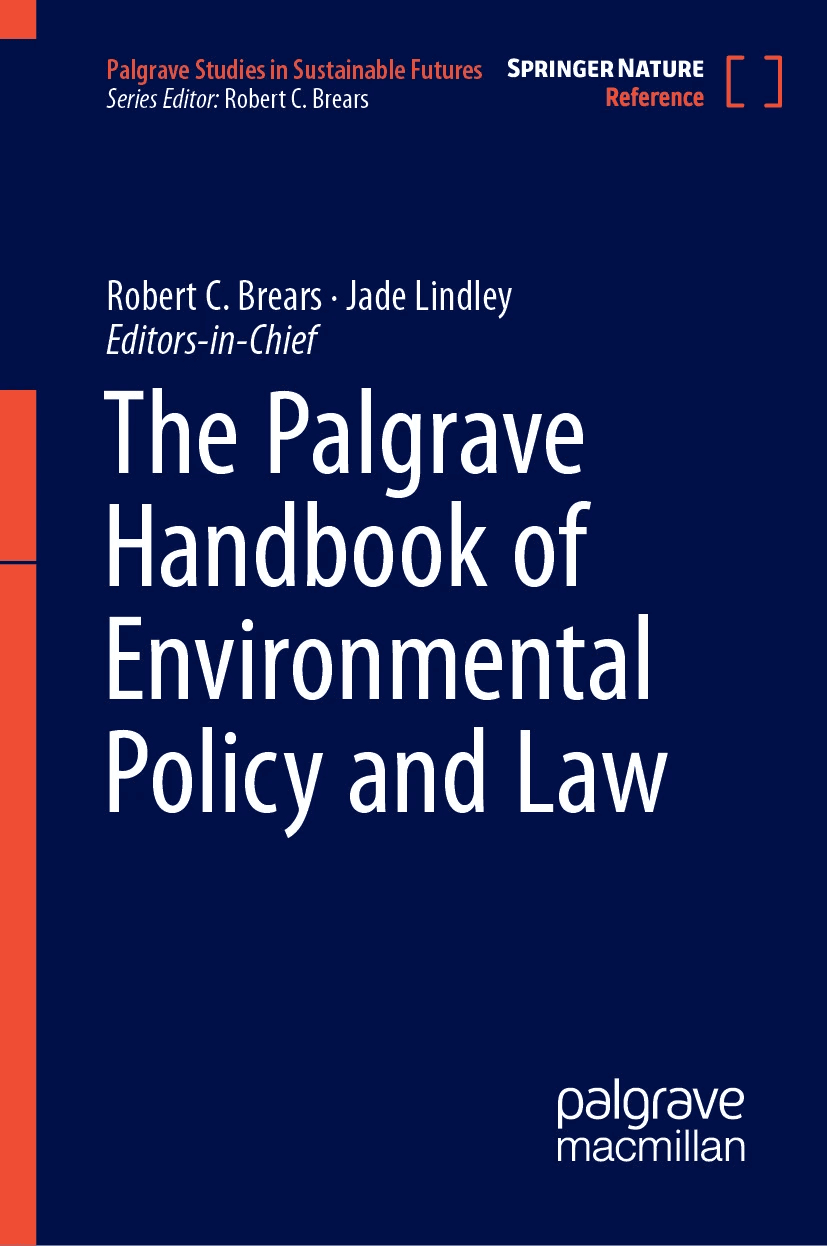
The Palgrave Handbook of Environmental Policy and Law provides a global account of how environmental rules are developed, interpreted and put into practice. Drawing on experience from developed and developing countries, it follows environmental governance from the international level through national and subnational institutions.
Contributors examine the practical difficulties of enforcement, the use of regulatory and market-based instruments, alternative governance mechanisms and the constitutional limits that can shape environmental action. The volume connects these institutional questions to biodiversity conservation, climate change, oceans, marine life, economics and business.
Designed as a wide-ranging reference for scholars, policymakers, legal practitioners and advanced students, the handbook clarifies both the formal architecture of environmental law and the real-world conditions that determine whether policy delivers results.
Policymakers
Practitioners
Researchers and students

Biodiversity conservation protects the ecological functions that underpin climate resilience, while accountable restoration finance turns policy commitments into measurable recovery.

Discover how SA Water’s recycled water networks improve water security, support climate resilience, and reduce freshwater demand through sustainable reuse.

Explore how Canada’s circular plastics economy initiative supports reuse systems, textile recovery, and waste reduction through market-based tools.