
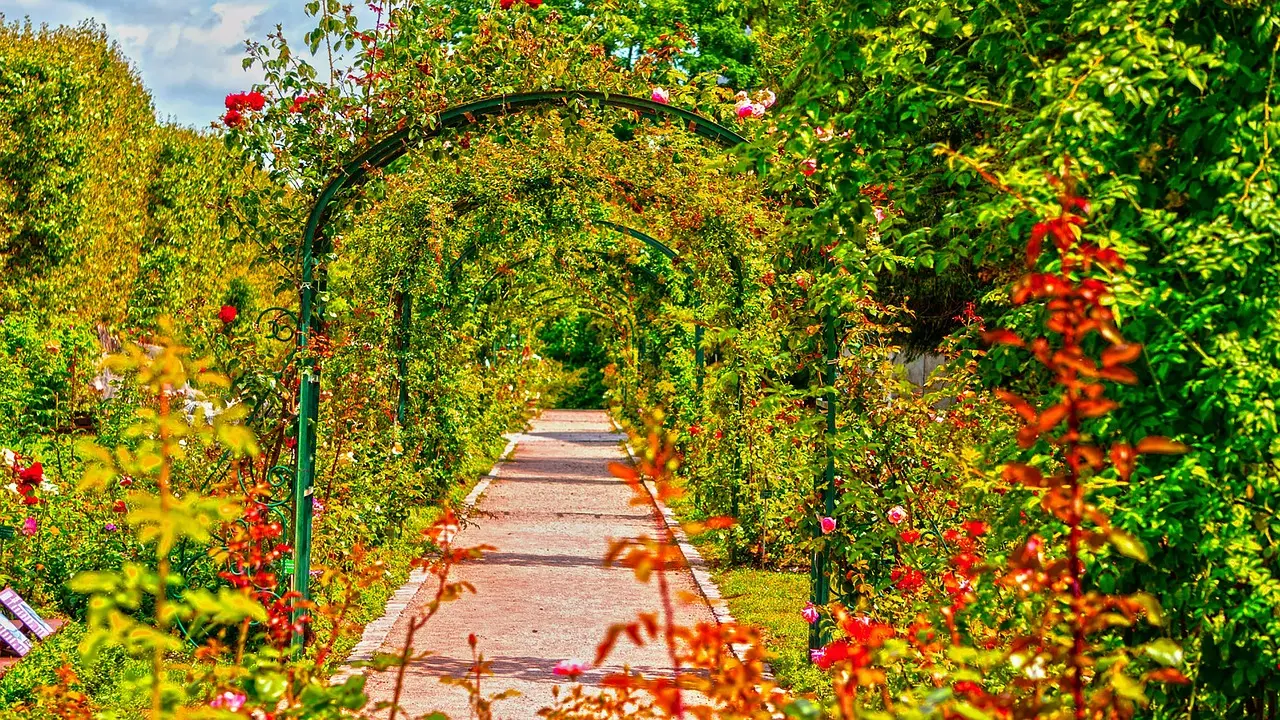
Restoring Urban Biodiversity With Ecological Corridors: Paris's Petite Ceinture
Paris opened a new Petite Ceinture segment in 2026, extending a documented urban ecological corridor while managing public access and habitat protection.

Protecting the systems that sustain life. Explore 35 published GCS insights and 3 books.

Paris opened a new Petite Ceinture segment in 2026, extending a documented urban ecological corridor while managing public access and habitat protection.

Biodiversity conservation protects the ecological functions that underpin climate resilience, while accountable restoration finance turns policy commitments into measurable recovery.

Heavy rainfall can overwhelm landscapes when water moves rapidly through catchments, increasing flood risk and damaging habitats.

Urban forest management strengthens climate resilience, improves air quality, and supports stormwater control through strategic canopy planning and stewardship.

Explore how Amsterdam’s green roof subsidy program combines funding, technical standards, and oversight to strengthen urban climate resilience.

Explore how the Tourism Reef Protection Initiative supports reef monitoring, coral predator control, and climate resilience on the Great Barrier Reef.

Peatland restoration enhances carbon storage, water regulation, and biodiversity, offering a scalable nature-based solution for climate resilience.

Explore how England’s NCPGS funds peatland restoration to reduce emissions, enhance carbon storage, and improve ecosystem resilience at scale.

Explore how carbon finance mechanisms support land restoration, biodiversity, and climate resilience through market-based incentives and verified carbon outcomes.

Explore how AI enhances coral reef monitoring, predictive modeling, and restoration to strengthen marine climate resilience.

Why mangroves are critical for climate mitigation, adaptation, and biodiversity—and how AI is transforming ecosystem restoration.

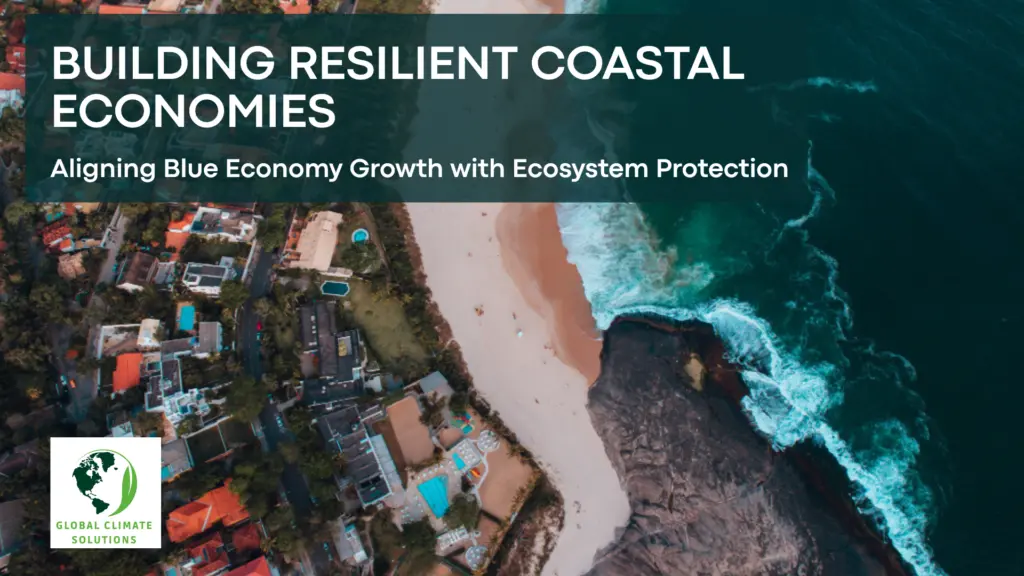
Discover how blue economy strategies and mangrove restoration strengthen coastal resilience, support livelihoods, and align urban growth with ecosystem protection.
The Blue Economy refers to the sustainable use of ocean resources for economic growth, improved livelihoods, and healthy marine ecosystems.

🇦🇺 Learn how Australia’s Carbon Credit Unit (ACCU) Scheme enables farmers, land managers, and businesses to generate income while restoring ecosystems and reducing emissions — setting a model for transparent, high-integrity carbon markets.

Coastal ecosystems play a vital role in addressing global climate challenges. Blue carbon refers to carbon stored in marine and coastal environments, such as mangroves, seagrasses, and salt marshes, which capture and store carbon more efficiently than most.

Floodplains and rivers provide essential services such as flood regulation, water purification, biodiversity support, and carbon storage.

Restoring nature is vital to reducing environmental harm and ensuring long-term sustainability.

Financing environmental projects is central to meeting climate, biodiversity, and sustainability objectives.

Forests are central to environmental stability, economic growth, and community well-being.

Payments for Ecosystem Services (PES) are financial mechanisms that incentivize landowners and resource managers to conserve and sustainably manage natural ecosystems.

Voluntary biodiversity credit trading is a market-based mechanism to mobilize private sector finance for conservation.

Recent years have witnessed a growing recognition of the complex interplay between climate variability, sustainable agricultural practices, food insecurity, and land use.

The ocean floor is a significant yet often underappreciated component of Earth's carbon cycle.

Crowdfunding and community investment have emerged as transformative financing mechanisms for nature-based solutions, marking a shift in how environmental projects are funded.

Climate change education, a critical tool for understanding and addressing the impacts of climate change, is designed to promote sustainable lifestyles and help populations, particularly in low-income countries, adapt to these changing conditions.

Water security is crucial for several reasons. It ensures everyone can access safe and adequate drinking water, which is vital for human health and well-being.

URL image: Fresh Green And Building Groups Stock Photo - Download Image Now - Apartment, Architecture, Beauty - iStock (istockphoto.com)

Climate change and biodiversity loss heightened the urgency of sustainable urban development.

The importance of nature-based solutions (NBS) in tackling climate change is increasingly recognized.

Blue carbon ecosystems, including salt marshes, mangroves, and seagrass meadows, are vital in the fight against climate change.

URL IMAGE: Circular Economy Icon The Concept Of Eternity Endless And Unlimited Circular Economy For Future Growth Of Business And Environment Sustainable On Nature Background Stock Photo - Download Image Now - iStock (istockphoto.com)

As the world convenes for COP28, one ecosystem demands immediate and collective action: our coral reefs.

As the world focuses on addressing urgent climate challenges, the spotlight is on nature-based solutions as a cost-effective resilience strategy.

"Blue Planet," "Blue Lung," and "Blue Carbon" aren't just poetic; they underscore the ocean's vital role, covering 71% of Earth, providing over half our oxygen, and storing immense carbon.

The Global Biodiversity Framework's 30x30 target is a significant point of discussion among environmental policymakers.