
Circular Economy
Circular Plastics Newsletter Designing Reliable Reuse Services
Shared reuse services need convenient returns, dependable cleaning, and clear operating roles. Banff offers practical lessons for connecting these requirements.

Governance and regulation for practical change. Explore 38 published GCS insights and 14 books.
Energy Systems, Emissions Intelligence, and Accountable Deployment
Connecting Services, Catchments, Governance, and Resilience
Planning, Governance, and Investment for Resilient Cities
Planning Productive, Equitable, and Resilient Food Systems in Cities
Shared reuse services need convenient returns, dependable cleaning, and clear operating roles. Banff offers practical lessons for connecting these requirements.

Biodiversity conservation protects the ecological functions that underpin climate resilience, while accountable restoration finance turns policy commitments into measurable recovery.
Transport systems remain major sources of greenhouse gas emissions, while limited charging access can constrain vehicle electrification.
Solar energy plays an important role in reducing greenhouse gas emissions and strengthening long-term energy resilience.
Climate policy increasingly combines emissions reduction with economic competitiveness to support long-term resilience and sustainable development.
Electric public transport systems reduce transport emissions while supporting more efficient and resilient urban mobility.

Buildings account for a significant share of greenhouse gas emissions because of their energy use and reliance on fossil fuels.

Explore how Canada’s circular plastics economy initiative supports reuse systems, textile recovery, and waste reduction through market-based tools.
Discover how AI improves coastal ecosystem monitoring, restoration, and climate resilience through predictive analytics, mapping, and automated enforcement.
Peatland restoration enhances carbon storage, water regulation, and biodiversity, offering a scalable nature-based solution for climate resilience.

Explore how England’s NCPGS funds peatland restoration to reduce emissions, enhance carbon storage, and improve ecosystem resilience at scale.
Blue bonds channel capital into marine conservation, coastal resilience, sustainable infrastructure, and ocean economies through targeted climate-smart finance.

Explore how Singapore’s Green Bond Framework finances coastal resilience, flood protection, and long-term climate adaptation projects.

Explore how Japan’s climate transition bonds mobilize capital to decarbonize heavy industry through structured finance aligned with global net zero goals.

Explore how carbon finance mechanisms support land restoration, biodiversity, and climate resilience through market-based incentives and verified carbon outcomes.
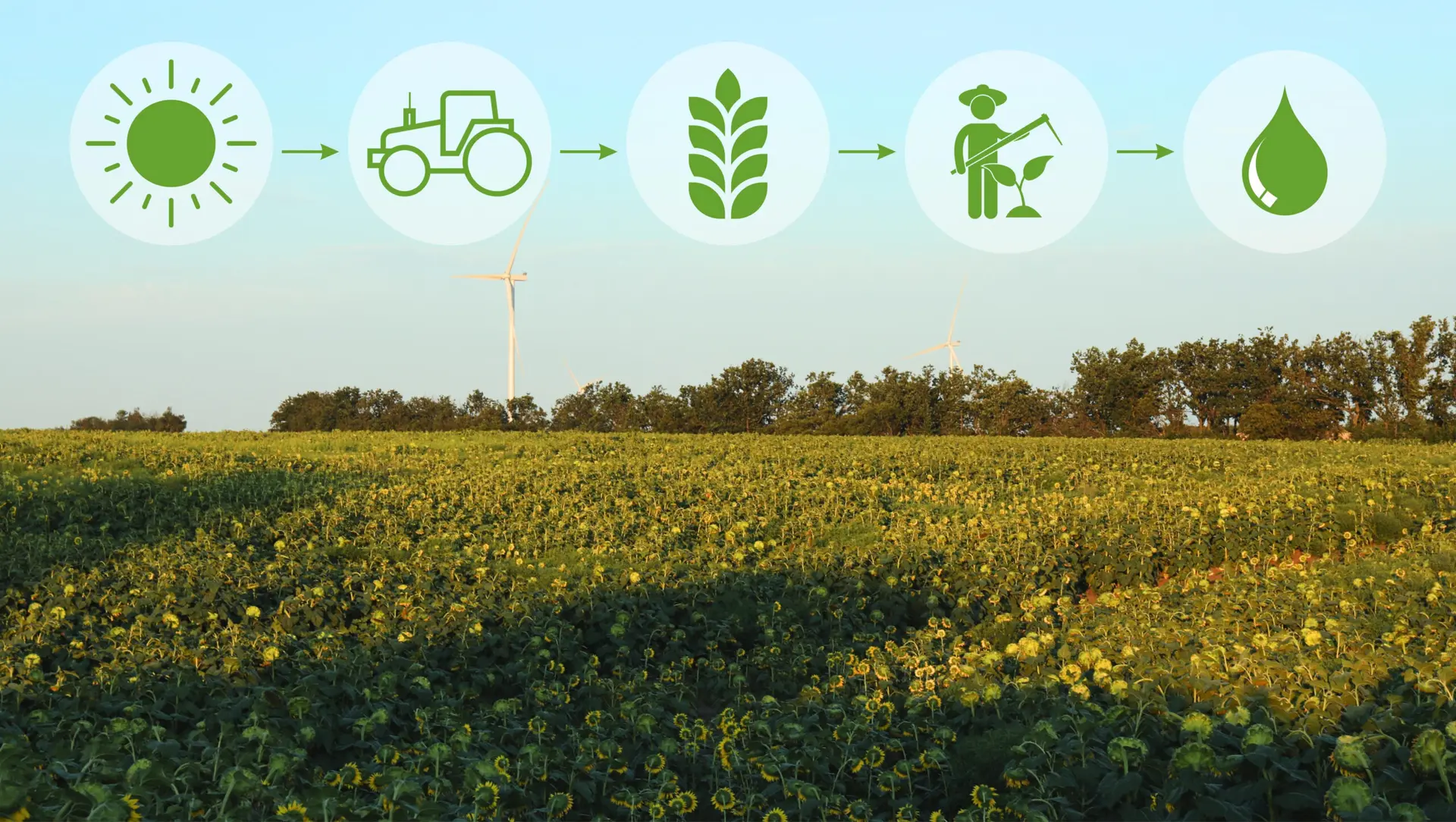
Explore how integrated policy frameworks and Australia’s Climate-Smart Agriculture Program strengthen resilience, emissions reduction, and sustainable land management.

Energy prosumers boost grid resilience, cut emissions, and enhance energy security through decentralized renewables, storage, and digital energy platforms.

Explore how circular supply chains enhance resource resilience and how NextCycle Michigan grants support innovation in recycling, reuse, and material recovery systems.

Discover how the London Community Energy Fund mobilises public grants and local capital to accelerate small-scale renewables and urban decarbonisation.

Explore how green transport solutions and Abu Dhabi’s 2040 smart mobility targets are transforming cities—from Level 4 autonomous permits to Masdar City.

Learn how green buildings improve energy efficiency, water conservation, indoor quality, and long-term performance, with BERDO strengthening compliance frameworks.
Explore essential books on net-zero governance, climate finance, and corporate transition strategies to help business and government accelerate real decarbonization.
🇦🇺 Learn how Australia’s Carbon Credit Unit (ACCU) Scheme enables farmers, land managers, and businesses to generate income while restoring ecosystems and reducing emissions — setting a model for transparent, high-integrity carbon markets.
Climate change requires transformative solutions that go beyond traditional mitigation and adaptation measures.
Coastal ecosystems play a vital role in addressing global climate challenges. Blue carbon refers to carbon stored in marine and coastal environments, such as mangroves, seagrasses, and salt marshes, which capture and store carbon more efficiently than most.

IntroductionSteel is essential to infrastructure, manufacturing, and transport, but its production is one of the most carbon-intensive industrial activities.
Payments for Ecosystem Services (PES) are financial mechanisms that incentivize landowners and resource managers to conserve and sustainably manage natural ecosystems.
Urban green spaces are critical for enhancing city livability, supporting biodiversity, and mitigating the impacts of climate change.
Voluntary biodiversity credit trading is a market-based mechanism to mobilize private sector finance for conservation.
Methane (CH4), a primary component of natural gas, plays a significant role in global warming, accounting for more than 25% of current warming trends.
The ocean floor is a significant yet often underappreciated component of Earth's carbon cycle.

In the face of escalating climate change concerns, the buildings sector has been identified as a pivotal battleground for energy conservation and emission reduction efforts.
The importance of nature-based solutions (NBS) in tackling climate change is increasingly recognized.
URL image: Light Bulb Is Located On Soil Plants Grow On Stacked Coins Renewable Energy Generation Is Essential For The Future Renewable Energybased Green Business Can Limit Climate Change And Global Warming Stock Photo - Download Image Now - iStock.
URL image Drought And Climate Change Impact Stock Photo - Download Image Now - Climate Change, Drought, Dry - iStock (istockphoto.com)

The Global Biodiversity Framework's 30x30 target is a significant point of discussion among environmental policymakers.

The Global Cooling Pledge stands as a formidable initiative in the fight against global warming, concentrating on five key areas: nature-based solutions, super-efficient appliances, food and vaccine cold chains, district cooling, and National Cooling Action.
The global energy sector is undergoing a seismic shift, transitioning from fossil-based systems—such as oil, natural gas, and coal—to renewable energy sources like solar and wind.